



 🖨️ Print post
A Growing Wise Kids Column
The elusive infant condition called colic has perplexed parents and health professionals alike for many years. The seemingly endless crying spells, sleep loss and worry leads to stress and anxiety for all. Each baby is unique and is affected by a myriad of factors, but all respond in their own ways. Nevertheless, current research and the principles set forth by Weston A. Price give parents the best chance of maximizing their wee one’s happiness and preventing excessive toe-curling scream sessions.
Table of Contents
Colic – What we Know
Neuro-Development : The Strongest Theory to Date
Weston A. Price Knew All Along
Is There a Gut Connection?
Foods: Friend or Foe?
Commercial Milk Vs. Raw
Alternatives
Perfidious Fruit Juice
Can Stress Contribute to Colic?
Often Overlooked Contributors
Traditional South African Remedy
Consider Chiropractic
Quick Colic Review
Colic: What We Know
Crying is baby-communication and has many possible drivers; crying babies could be hungry, cold, wet, under-stimulated, over-stimulated, bored, in pain, sick, moody or anything else under the sun. It often takes some trial and error to figure out what will soothe a baby. When crying becomes loud and persistent, when soothing efforts are fruitless, and when potential physical conditions have been ruled out, the doctor will generally give a diagnosis of colic,1 which means, “We have no idea why your baby will not stop crying!” How frustrating!
The average infant cries between two and three hours a day.2 The commonly accepted clinical definition of colic is the “rule of three”: crying for more than three hours per day, for more than three days per week, and for more than three weeks in an infant that is well-fed and otherwise healthy.3 However, when a baby is in the throws of a high-pitched crying-fit, five minutes can feel like three hours. Some people are just better able to tolerate the noise and feelings of helplessness than others. This is what makes the term colic, or even excessive crying, so subjective. A Brazilian study found that as many as 80 percent of mothers believed their infants had colic; however, using the definition above, only 16.3 percent actually had the condition.4 Thus, as with many things, “excessive crying” really is in the eye–or ear–of the beholder.
Ultimately, science doesn’t know much about colic, but there are many gimmicky “colic cure” sale pitches to make your wallet burst into more tears than your child. Nevertheless, there are a number of contributing factors that if remedied may improve the situation. These issues may or may not be directly involved in the cause of colic, but they are all things that should be evaluated by every parent. It all fits into the realm of learning about your unique bundle of joy and encouraging his or her best possible health.
Neuro-Development: The Strongest Theory to Date
Neuro-development is one of the most accepted ideas surrounding colic. The term “brain maturity” sounds sophisticated, but the concept is simple. It has been observed that babies with colic are more easily over-stimulated than non-colicky babies. Once they are in a crying-episode, it is challenging for them to return to a normal mental state–this is where the immaturity idea comes into play. They essentially don’t have the brain maturity to adequately transition out of an uncomfortable state of crying once it has begun.5
Fortunately for these babies and their parents, an infant’s ability to come out of these uncomfortable states gets better with age. This is confirmed by the fact that colic or excessive crying usually subsides by four months.6 Another observation that supports this theory is the fact that many colicky babies are over-stimulated by “normal” soothing techniques such as rocking and singing. They tend to do better with white noise, darkness, and swaddling–but not always. Remember, each baby is different and reading your baby’s signals is key to a solution.
Weston A. Price Knew All Along
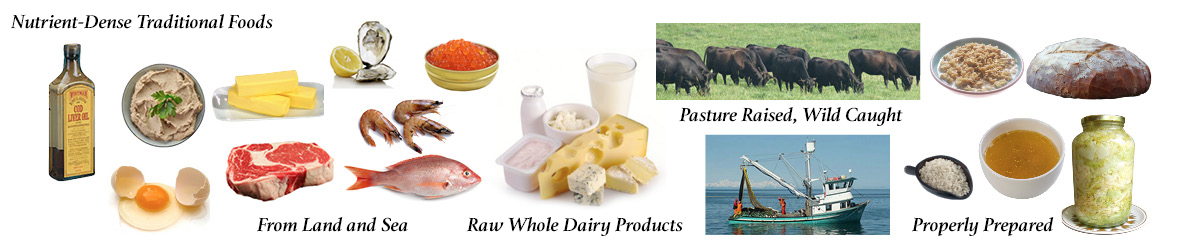
Ultimately, support of brain development and growth are fundamental in preventing and calming the cries of colic. How fortunate that a Wise Traditions approach to nutrition provides the best basis to achieve these goals. It has been seen time and time again that these principles support neural function as well as encourage a happy demeanor in infants and children. A traditional diet high in vitamins A and D (seafood, cod liver oil, organ meats, egg yolks and butterfat from grass-fed animals), bone broths, and properly prepared whole foods allows children to reach their maximum genetic potential.
Is There A Gut Connection?
Most doctors believe that intestinal problems cause colic, although research does not support this contention.7 However, some babies do feel discomfort caused by spasms of the intestinal smooth muscle and/or gas, which can lead to more crying spells. Confirmation of this stems from positive results when antispasmodic pharmaceuticals are administered. Similarly, a randomized, double-blind, placebo-controlled study using a tea made from the traditional antispasmodic herbs chamomile, vervain, licorice, fennel and lemon balm was found to be more effective at reducing crying time in colicky infants than a placebo.8 In this study, approximately half a cup of tea was given during each colic episode up to a maximum of three times per day. These herbs can be used alone or in combination and taken by a breastfeeding mother or given straight to a baby using an eyedropper (between 10 and 20 drops).9
Another study of colicky infants using just an emulsion of fennel seed oil showed a decrease in the intensity of colic in 65 percent of cases, compared to 24 percent who received a placebo.10 The amount used was 1-4 teaspoons, up to four times per day, of a water emulsion of 0.1 percent fennel seed oil.
Susun Weed, a well-known herbalist, recommends slippery elm bark as a digestive soother for colicky infants. When prepared, it becomes a thick “gruel” instead of normal tea. Make it by mixing a liquid sweetener (such as barley malt, sorghum or maple syrup) with the bark powder until it is thoroughly wet. Slowly add warm milk or water until it creates a porridge. Weed says there is no known limit to the amount that can be consumed safely. For colic, she says to add one or more servings to the diet to help quiet the intestines.11
In the realm of intestinal discomfort, reflux can be another contributing factor. In one study, babies with colic experienced more reflux episodes than those without the condition.12 Bear in mind, other symptoms often accompany reflux, like severe spitting up, coughing, gagging and poor weight gain. Constipation is another possible cause of discomfort and has obvious signs that can be remedied.
Intestinal dysbiosis, or poor microflora balance, may also cause howling screams. In a double-blind study of infants, supplementation of a standard milk-based formula with probiotic organisms (Bifidobacterium lactis and Streptococcus thermophilus) significantly reduced the frequency of colic, compared with the same formula minus the probiotics.13 Similarly, another study found that after a month of administering probiotic oil drops with Reuteri bacteria, parents reported significantly less screaming in their children.14 Support of intestinal microflora is a core concept in the Wise Traditions diet. A probiotic supplement is a base ingredient in the recommended homemade baby formulas just as cultured and fermented foods are recommended for adults.
Besides affecting overall development, nutrient deficiencies can impact digestion and increase gas and cramping and disturb bacteria balance. All of the B vitamins, magnesium, potassium, calcium and essential fatty acids play a role in intestinal health.30 These nutrients are all found in appropriate amounts in healthy breast milk, as well as in our homemade baby formulas.
Foods: Friend or Foe?
Is it a coincidence that the diagnosis of colic has risen alongside autism and other disorders with our “advancements” in food processing and agricultural methods? Probably not. We are bombarded with toxins from our food, air and water and children are even more susceptible to their dangers than adults.
Food allergies are an area of interest when it comes to colic. A number of clinical studies support the theory that discomfort may be caused by negative reactions from food allergies.15,16 For example, children have been known to be intolerant to milk proteins from a cow’s milk-based formula.17 If a baby is breast-fed, certain foods in the mother’s diet may provoke an allergic reaction in the baby as well. For example, pasteurized cow’s milk consumed by a breast-feeding mother has been shown to trigger colic.18,19
Another double-blind study found that restricting certain allergy-triggering foods from the mother’s diet significantly reduced colic symptoms in the infants.20 Although pasteurized cow’s milk is the most common allergic food, others to consider are soy, nuts and gluten (found in wheat and other grains.) Traditional food preparation methods may play a role in how the mother and child are reacting.
Bear in mind, if a food allergy or sensitivity is present, other symptoms will most likely appear, such as gas, bloating, eczema, spitting up, diarrhea, or bloody or green stools.
Commercial Milk vs. Raw
Pasteurization is a damaging process that alters the physical structure of the fragile proteins in milk, resulting in deformed and broken proteins the body is not equipped to handle. Additionally, pasteurization virtually eliminates milk’s good bacteria and radically reduces its nutrient content. On the other hand, raw milk from pastured cows is one of the most healing foods available. Of course, the allergy studies condemning cow’s milk evaluated the effects of pasteurized and homogenized commercial varieties. Although no studies have looked at the effects of raw milk versus pasteurized on colic, the superioroity of raw milk has been demonstrated many times with babies and nursing moms on Wise Tradition diets.
To ensure proper digestion of milk, our raw milk baby formula goes a step further by adding gelatin. There is extensive research showing that gelatin can improve the digestion of milk and milk products. In fact, early 20th century text books recommended inclusion of gelatin in infant formulas to help bring cow’s milk closer to human milk. Studies indicate that gelatin inhibits curd coagulation, helps emulsify the fat and stabilizes the casein to improve the digestibility and absorption of the fat.21 As a result, infants fed gelatin-enriched formulas have shown fewer allergic symptoms, vomiting, colic, diarrhea, constipation and respiratory ailments than those on straight cow’s milk. 22
Alternatives
Soy is a dangerous alternative! Some pediatricians will tell mothers of colicky babies to switch to soy formula–beware! The minerals in soy formula are poorly absorbed, protease inhibitors disturb digestion and phytoestrogens disrupt hormonal balance. Soy is not even hypo-allergenic, often making colic, gas and other symptoms worse. This is particularly serious in growing babies; however, it is best for everyone to avoid this over-advertised, toxic food.23,24
If a substitution must be made for raw cow’s milk, goat milk is a possibility. It may be easier to digest due to its smaller fat globules and softer protein curds. It has been said goat’s milk may be less likely to contribute to colic.23 However, goat’s milk lacks certain nutrients readily found in cow’s milk, namely folic acid and B12, thus brewer’s yeast and organic raw liver must be included in each batch. Also, goat’s milk tends to be more constipating than cow’s milk.
A third possibility is our meat-based formula, which has been a life-saver for several babies with severe milk allergies.24
Perfidious Fruit Juice
Another food often given to infants that can cause trouble is fruit juice. Doctors at Miami Children’s Hospital evaluated the role of fruit juice in colic. They found that the colicky group was more likely to suffer from gas, sleep troubles, and increased crying time after drinking apple juice when compared with grape juice. Apple juice contains sorbitol and a higher fructose-to-glucose ratio than grape juice. Ultimately, carbohydrate malabsorption may be the culprit.25
But both apple juice and grape juice are high in sugar, an unnecessary addition to the diet, even as children grow older.
Can Stress Contribute to Colic?
A mother’s emotions can affect an infant. It is known that general distress and high anxiety during pregnancy influences the risk of infantile colic.26-29 The explanation may lie in adrenal gland health, both in the mother and baby, since excess stress wears them out. In Let’s Have Healthy Children, published in the early 1970s, the popular author Adelle Davis wrote, “The most important fact to know about colic is that it rarely occurs unless the mother has been on such an inadequate diet during pregnancy that her baby’s adrenal glands are exhausted. Unless the health of these glands is improved, you can expect years of problems associated with faulty adrenal functions, which include allergies, low blood sugar and almost every other abnormality known to man.”
Stress can come from many places, anywhere from demands at work, environmental insults like pesticides and pollution, allergies, poor diet, to worries about the birth. If an infant’s adrenals are exhausted, they are unable to make adequate hormones necessary to prevent nutrient loss and help them deal with stress.
It is also said that the nervous tension of a mother can upset an infant enough to interfere with digestion, which can then go on to disrupt intestinal bacteria balance. This can lead to malabsorption and pain, thus more crying. The crying upsets mom even more, and the cycle continues.30 Finding ways to relax, maintaining a low-key atmosphere, and roll with the ebbs and flows of an infant will help parents and sooth the infant.
What about stress experienced by the infant and its effect on the nervous system? Consider factors like oxygen deprivation from prolonged labor, premature cutting of the umbilical cord, painkillers present in the mother’s bloodstream and excessive ultrasound procedures. The effects of these factors on the neurological development or adrenal health of an infant have not been clearly defined, but the possibility of adverse effects is real.
Often Overlooked Contributors
It is clear the nervous system plays a role in colic and excessive crying. Could common compounds ingested during gestation and lactation make a baby’s nervous system more sensitive or reactive, thus predisposing him to excess crying? It is likely.
The debate over vaccinations is intense. There is evidence to back up what numerous practitioners believe–vaccinations may have a connection with mental dysfunction. The connection has been made with autism and other attention disorders (see the article titled “Autism and Vaccinations” by Mary Megson, MD, on www.westonaprice.org.) Colic has not been directly linked with autism or vaccinations. However, given the effects of vaccinations on the nervous system, it is possible they may have a negative impact on mental stability, especially when infants are given their first shot on their first day of life.
Another possible influence on brain function is excitotoxins. There is a growing number of clinicians and scientists who are convinced these brain toxins play a role in the development of several neurological disorders including seizures, infections, abnormal neural development, and certain endocrine disorders.31,32 Why not colic as well? The connection has not been studied, but the possibility is there. Excitotoxins are readily found in the food supply–MSG, hydrolyzed vegetable protein, and the artificial sweetener aspartame.
Pesticides are another brain enemy. There is substantial evidence that chronic, low-level exposure to organophosphates (the most common class of pesticide) may affect brain functioning and neurological development in humans.33,34 This evidence indicates a strong likelihood that low-level chronic exposure adversely affects children’s nervous systems. For older children this could mean lower cognitive function, behavior disorders and other subtle neurological problems. But what about an infant exposed to these substances during gestation or through breast milk?
Traditional South African Remedy
Rooibos, or redbush, tea is made from the leaves of a South African flowering shrub. This slightly citric-tasting tea has rosy overtones and a flavor close to that of black tea.35 It has a significant amount of polyphenol antioxidants and no caffeine to boot! The people of South Africa have been drinking rooibos for more than 200 years and it is traditionally used to aid nervousness,39 calm an upset digestive system, and induce sound sleep. It has also been used topically for skin allergies and minor skin problems, including diaper rash.
This tea gained attention in the late 1960s when a South African woman, Annekie Theron, found that it eased her infant’s colic. As the story goes, she found no documentation on the benefits of rooibos and began her own experiments with local babies who had colic and allergies. She concluded that rooibos helped these babies, and she published a book in 1970 titled Allergies: An Amazing Discovery.38
Today, South African physicians regularly recommend this tea as an effective stomach soother for adults and infants alike.39 The gentle-acting tea is believed to also work as an adaptogen, helping the body adapt to stress.40 Although no formal studies have been carried out, Elizabeth Joubert, a rooibos researcher and author of many clinical studies using the tea, says it does seem to help infant colic.41
Consider Chiropractic
Several studies support the idea that colicky symptoms may be linked to mild biomechanical disturbances of the spinal joints, which may be helped by chiropractic manipulation. A large, preliminary study reported significant improvement in colic, often after only one chiropractic treatment.42 Another study revealed that 91 percent of parents observed improvement in their babies’ symptoms after two to three manipulations.43 In a trial, infants were given either a placebo medication or a series of three to five treatments using gentle “fingertip” spinal manipulations over two weeks.44 Those receiving the spinal manipulations experienced a 67 percent reduction in daily hours of crying, compared with only a 38 percent reduction in infants on medication.
Quick Colic Review
As discussed, colic is a poorly-defined phenomenon about which science knows very little. The possible contributing factors described can be equally detrimental to all infants, regardless of whether colic manifests or not. Thus, these issues should be of concern to all parents. Here is a review of what we do know about helping colic or excessive crying, which may offer some comfort in a harried time:
- All babies outgrow colic, usually by four months–so keep your spirits up, it does get better! Also, rest assured, science does not support the idea that colic is an early manifestation of a difficult temperament.45
- Poor brain maturity is the most accepted theory on the underlying cause of colic, which provides great promise for the dietary advice of Weston A. Price. His dietary principles center on supplying the body liberal amounts of the nutrients that support nervous system health–including cod liver oil, organ meats and traditional fats. This is why parents all over the world can attest to the value of adhering to a Wise Traditions diet before conception, as well as throughout pregnancy and lactation. Children born to these individuals tend to have freedom from allergies and illness, good immune systems and happy, calm dispositions.
- Problems elsewhere in the body can contribute to crying-spells, such as reflux, constipation, intestinal dysbiosis and exhausted adrenal glands.
- Try different soothing approaches with your infant and to help prevent over-stimulation, try just one at a time. Just rub, swaddle or hold–try to avoid doing five different things at one time.
- The link between milk and colic involves the pasteurized, homogenized versions. Raw milk, especially when combined with gelatin, has been shown to reduce colic and support overall healthfulness.
- Soy milk is a dangerous substitution for milk or a formula base and should be strictly avoided.
- Avoid feeding juice to children at any age.
- Try to keep parental and infant stress to a minimum. Whether this means slowing down at work, choosing to have a natural birth without painkillers, or making informed decisions at the hospital, they are all personal choices, but choices that should be carefully considered nonetheless.
- Be an informed parent when it comes to vaccinations. Read the articles at www.westonaprice.org (Vaccinations: Parents’ Informed Choice, Autism and Vaccinations) as well as the National Vaccine Information Center at www.nvic.org.
- Focus on a Wise Traditions diet, devoid of processed foods, which will automatically eliminate the chance of consuming brain toxins like MSG, hydrolyzed vegetable protein and the artificial sweetener aspartame.
- Choose properly grown organic or biodynamic foods for you and your child. Check out your local health food stores, farmers markets, or Community Supported Agriculture farms; see www.biodynamics.com for a listing in your state.
- If your child is excessively cranky, consider trying antispasmodic herbs, rooibos tea, chiropractic manipulations, probiotics and homeopathics.
To create your best chances for the happiest, calmest baby possible, contemplate and implement these ideas well before pregnancy. Once again, the principles of Weston A. Price provide the foundational pieces to optimize health and happiness for everyone!
REFERENCES
- Bove, Mary. N.D. An Encyclopedia of Natural Healing for Children and Infants. Keats Publishing. 2001
- Brazelton TB. Crying in infancy. Pediatrics 1962;29:579-88
- Wessel MA, Cobb JC, Jackson EB, Harris GS Jr, Detwiler AC. Paroxysmal fussing in infancy, sometimes called colic. Pediatrics 1954;14:421-35
- Miller AR, Barr RG. Infantile colic. Is it a gut issue? Pediatr Clin North Am 1991; 38(6): 1407-1423
- Ansel, David. M.D. Colic in Babies – Whose fault is it anyway? Children’s Medical Office. Found at www.gsa.org.za/articles/colic01.htm
- Barr RG. Colic and crying syndromes in infants. Pediatrics 1998;102(5 suppl E):1282-6.
- Harley LM. Fussing and crying in young infants. Clinical considerations and practical management. Clin Pediatr [Phila] 1969;8:138-41.
- Weizman Z, Alkrinawi S, Goldfarb D, et al. Efficacy of herbal tea preparation in infantile colic. J Pediatr 1993;122:650–2
- O’Mara, Peggy. Natural Family Living. Pocket Books. 2000.
- Alexandrovich I, Rakovitskaya O, Kolmo E, et al. The effect of fennel (Foeniculum Vulgare) seed oil emulsion in infantile colic: a randomized, placebo-controlled study. Altern Ther Health Med 2003;9:58–61.
- Weed, Susun. Wise Woman Herbal: Childbearing Years. Ash Tree Publishing. New York. 1986.
- Miller-Loncar C, Bigsby R, High P, Wallach M, Lester B. Infant colic and feeding difficulties. Arch Dis Child. 2004 Oct;89(10):908-12
- Saavedra JM, Abi-Hanna A, Moore N, Yolken RH. Long-term consumption of infant formulas containing live probiotic bacteria: tolerance and safety. Am J Clin Nutr 2004;79:261–7.
- Nutraingredients. Probiotic drops calm colicky infants. Found September 9, 2005 at http://www.nutraingredients.com/Research/Probiotic-drops-calm-colicky-infants
- Sampson HA. Infantile colic and food allergy: fact or fiction? J Pediatr 1989;115:583–4.
- Hill DJ, Hosking CS, Heine RG. Clinical spectrum of food allergy in children in Australia and South-East Asia: identification and targets for treatment. Ann Med 1999;31:272–81.
- Lothe L, Lindberg T. Cow’s milk whey protein elicits symptoms of infantile colic in colicky formula-fed infants: a double-blind crossover study. Pediatr 1989;83(2):262–6
- Jakobsson I, Lindberg T. Cow’s milk proteins cause infantile colic in breast-fed infants: a double-blind crossover study. Pediatr 1983;71(2):268–71
- Clyne PS, Kulczycki A. Human breast milk contains bovine IgG. Relationship to infant colic? Pediatr 1991;87:439–44
- Hill DJ, Hudson IL, Sheffield LJ, et al. A low allergen diet is a significant intervention in infantile colic: results of a community-based study. J Allergy Clin Immunol 1995;96:886–92
- Daniel, Kaayla T., MS CCN. Why Broth is Beautiful. Wise Traditions in Food, Farming and the Healing Arts, the quarterly magazine of the Weston A. Price Foundation, Spring 2003
- Gotthoffer, NR, Gelatin in Nutrition and Medicine (Graylake IL, Grayslake Gelatin Company, 1945), pp. 25-37.
- Bernardini, Robert, M.S. The Truth About Children’s Health. 2004.
- Fallon, Sally. Nourishing Traditions. NewTrends Publishing. 2001
- Duro D, Rising R, Cedillo M, Lifshitz F. Association between infantile colic and carbohydrate malabsorption from fruit juices in infancy. Pediatrics. 2002 May;109(5):797-805.
- Sondergaard C, Olsen J, Friis-Hasche E, Dirdal M, Thrane N, Sorensen HT. Psychosocial distress during pregnancy and the risk of infantile colic: a follow-up study. Acta Paediatr. 2003 Jul;92(7):811-6.
- Canivet C, Ostergren PO, Jakobsson I, Hagander B. Higher risk of colic in infants of nonmanual employee mothers with a demanding work situation in pregnancy. Int J Behav Med. 2004;11(1):37-47.
- Canivet CA, Ostergren PO, Rosen AS, Jakobsson IL, Hagander BM. Infantile colic and the role of trait anxiety during pregnancy in relation to psychosocial and socioeconomic factors. Scand J Public Health. 2005;33(1):26-34.
- Archives of Pediatrics & Adolescent Medicine, 11/02
- Davis, Adelle. Let’s Have Healthy Children. New American Library. 1972
- Ikonomidou C and Turski L, Glutamate in Neurodegenerative Disorders, In, Stone TW (Ed), Neurotransmitters and Neuromodulators: Glutamate, CRC Press, Boca Raton, 1995, 253-272.
- Whetsell WO, Shapira NA. Biology of Disease. Neuroexcitation, excitotoxicity and human neurological disease. Lab Invest 68: 372-387, 1993
- Eskenazi B, Bradman A, Castorina, R. Exposures of children to organophosphate pesticides and their potential adverse health effects. Environ Health Perspect 1999; 107(S-3):409-419
- Weiss, Bernard. Pesticides as a source of development disabilities. MRDD Research Reviews 1997; 3:246-256
- Kamen, Betty, Ph.D. Sippa Cuppa Rooibos Tea. Alternative Medicine. November 2000.
- Peterson, Jessica L. Red Alert. Delicious Living. June 2001.
- Morton JF. Rooibos tea, Aspalathus linearis, a caffeineless, low-tannin beverage. Econ Bot 1983;37(2):164-73.
- WESGRO, Western Cape Investment and Trade Promotion Agency, Cape Town, South Africa, website: www.wesgro.org.za. Wesgro Background Report: The Rooibos Industry in the Western Cape. April 2000 (updated April 2001
- Duke, James, Ph.D. The Green Pharmacy. Rodale Press. Emmaus, Pennsylvania. 1997.
- Kamen, Betty, Ph.D. Sippa Cuppa Rooibos Tea. Alternative Medicine. November 2000
- Joubert, E. Personal communication. First reference Nov 2002, all other references Aug 2002
- Klugart N, Nilsson N, Jacobsen J. Infantile colic treated by chiropractors: a prospective study of 316 cases. J Manip Physiol Ther 1989;12:281–8
- Nilsson N. Infant colic and chiropractic. Eur J Chir 1985;33:264–5
- Wiberg JM, Nordsteen J, Nilsson N. The short term effect of spinal manipulation in the treatment of infantile colic: a randomized controlled clinical trial with a blinded observer. J Manip Physiol Ther 1999;22:517–22
- White BP, Gunnar MR, Larson MC, Donzella B, Barr RG. Behavioral and physiological responsivity, sleep, and patterns of daily cortisol production in infants with and without colic. Child Dev 2000;71:862-77.
This article appeared in Wise Traditions in Food, Farming and the Healing Arts, the quarterly magazine of the Weston A. Price Foundation, Winter 2005/Spring 2006.
🖨️ Print post
Bravo on the comprehensive article! My wife also wrote a comprehensive article on the subject titled simply Colic
We “believe”avoided colic by using the methods of proper breastfeeding. A few of our friends were not as lucky and they were helped either by fennel tea or by Biogaia drops.
Colic definitely are one of those things where it is better to be a bit paranoid and prevent them than to have to cure it… we were like that and so
Interesting. So far my experience with colicky babies has been that episodes are often in connection with stress or exertion.
The baby gets over tired and subsequently the blood sugar drops. The response is sleep and then crying when the sugar runs low. This is why nursing or sugar water or in the case of toddlers, a cup of milk and some crackers magically cure the colic. Often times it seems the baby has gas. Usually gas is quickly fixed. For longer crying episodes I suspect hunger. The crying, sucking in air and the increase in stomach acid causes more gas. This is just my personal opinion from experience with my 4 children. I only came to this conclusion after my 4th. Often by the time the baby is crying, he is too tired and upset to think to eat, even when given food, but once he begins to eat, he settles considerably.
Most important article. I discovered Redbsh many years ago thru Marc S. Micozzi MD. Recently I found Aspal (redbush) worked very well for swelling & bloating conditions. Now I wonder how it would work in cases of dropsy-edema-CHF.
I was stung @ 20x total, during 3 different mowings about 8 days apart by yellow jackets from a ground nest last month. My legs swelled but recovered, only to be bitten again a week later. I was unable to find their nest ’til the 3rd mowing. I waited ’til dark & poured 8oz gasoline down their hole in the ground. Next morning they were gone. But the leg swelling, itch & ‘stinging’ sensations did not go away this time but got worse. I also seemed to be seriously dehydrated (headache, puffy eyes, scanty urination, belly bloating)… so I thought of Aspal (African red tea, rooibos, Zulu red tea) as nothing works better for dehydration conditions (which are many).
To my great surprise the headache, eye puffiness, swelling & stinging began to go away immediately & urine volume increased while urination frequency decreased. This is nowhere considered a use of Red Tea. But it happened & I now understand it is all covered under fluid balance & dehydration! So many suffer & die from this while on conventional diuretics & heart drugs – also herbal remedies fail over time except maybe for horseradish (with apple to cut the heat). Now I can add adaptogen, colic, swelling, fluid balance to my Red Tea notes (follow here):
RED TEA, aka Rooibos (roybos), aka African red bush tea, rubios, Aspal: contains antioxidants, flavonoids, vit.C, SOD (superoxide dismutase, potent anti-inflammatory, antioxidant); rich in quercetin (bioflavonoid that helps circulation by improving capillary strength). No caffeine, oxalic acid, or tannins that interfere with digestion & inhibit absorption of iron & proteins. #1 for hydration. Headache pain. Insomnia. Sooths digestive problems like inflamed bowel, diarrhea. Dryness: dry eyes, dry mouth, eye inflammation: most problems like these, and many others, such as joint problems, pains, are due to dehydration: water will not help much; nothing works better than rooibos. (11nltr7#9p8)