


 🖨️ Print post
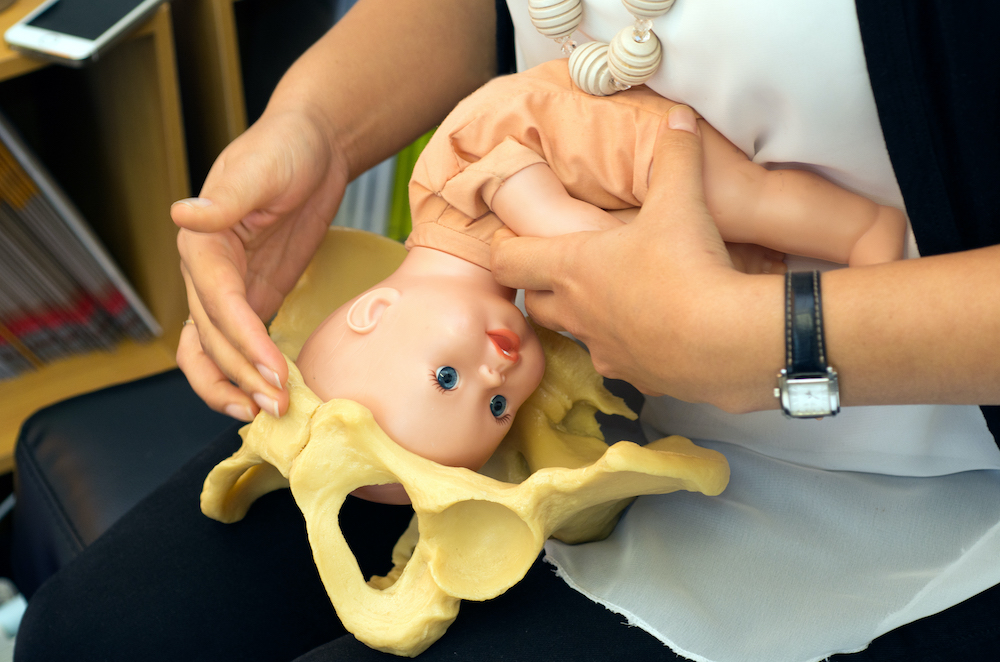
You’ve waited nine months and the moment is here! The contractions have begun. You have read all the books and prepared for the arrival of the newborn. But have you prepared for labor?
An important and often overlooked piece of information pertaining to childbirth is the fact that labor intensity affects outcome of delivery. If contractions are strong and full, labor is more productive, length of labor is shortened and stress on the mother is reduced.
Preparation for a problem-free delivery must begin long before labor pains arrive. Daily exercise is imperative. It need not be strenuous, but it should be consistent. Yoga during the pregnancy gives the flexibility to all muscles to promote strong contractibility during labor. The expectant mother should walk outdoors every day. Swimming is wonderful preparation and gardening, with its stooping and standing, will help move the baby into a head-down position.
Nutritional factors that can promote strong labor include adequate protein throughout the pregnancy and especially during the final weeks. An important amino acid for muscle tone and strength is l-carnitine found in red meat and beef heart. Men tend to have more of this amino acid in their muscles than women, giving them superior muscle endurance. Pre-labor consumption of beef heart or red meat can significantly increase muscle stores of this amino acid.
Minerals and electrolytes including magnesium (from blackstrap molasses, dolomite powder, nuts and seeds); potassium (from blackstrap molasses, fruits and vegetables and fresh juice); sodium and chloride (from salt); and sulphur (found in protein foods) are all important factors for ease of delivery. Insufficiency of any of these elements will contribute to a less productive labor, accompanied by fatigue and cramping. During labor, I recommend taking electrolytes, such as Trace Mineral Research Electrolyte Stamina Tablets, which can restore energy and intensity of contractions in minutes. They can be taken with water during labor when needed.
Low blood sugar is often a problem during labor. A quick and effective solution is a small amount of high-potassium fresh orange juice with added l-glutamine, an amino acid. This combination will quickly restore blood sugar levels and greatly benefit the well-being of the mother. Four ounces of juice with 2,000 mg of l-glutamine taken as needed throughout delivery works well.
Trace Mineral Research electrolytes are considered state of the art. As tablets they are easy to have on hand during labor and contain no added sugar or other unneeded elements. They are relatively low in sodium but high in magnesium, potassium and chloride. One or two of these tablets can be taken every hour during labor along with the juice and l-glutamine mixture.
Another good product is called AminoGold. These tablets contain the Trace Mineral Research electrolytes, l-glutamine and l-carnitine, as well as other essential amino acids. It is available from Middle Marin Lab (415-488-9636). The dose is 2-3 tablets as needed with a small amount of high-potassium juice.
Whether using the supplements separately or combined, the amount to use is whatever makes labor most productive and keeps the energy level high. These products are safe and there is no level of toxicity to mother or newborn. None of these substances would cause a problem even in the event that an emergency caesarean becomes necessary.
Copyright: ©2000 Krispin Sullivan. All Rights Reserved.\
This article appeared in Wise Traditions in Food, Farming and the Healing Arts, the quarterly magazine of the Weston A. Price Foundation, Winter 2000.
🖨️ Print post
I usually have fairly quick labors but can imagine myself stopping at the store for fresh OJ on the way to the delivery room! Ha! I’ll just keep a bag of oranges on hand (and the recommended tablets) as my due date appoaches. Thank you for the suggestion!!!
Medjool dates during the last 6 weeks of pregnancy helps. There’s a study on this.
Mountain Meadow Herbs has an herbal liquid mixture that you take a few weeks before due date. Helped a 27 yr. old Mom that I know a lot! Also Joette Calabrese teaches many homeopathic remedies for pregnancy and childbirth. The one I remember right now is Arnica 200 for pain and to slow bleeding. These are both very much worth looking up. In my day, I did not have this information. But I have seen it work with the Mom mentioned above.