



Question: I am a 44-year-old woman who has suffered most of my adult life with a variety of painful cramps. I often have menstrual cramps so bad that even Advil or Alleve doesn’t really help. At other times I have foot cramps, cramps in my hands, or side cramps during exercise. Is there anything I can do to relieve this painful condition?
Answer:Like many other symptoms, cramps are usually a sign of an imbalance in your body. Even though cramps are a very common problem, there is no consensus as to the cause.
Two areas that seem to be involved, however, are the balance of calcium and magnesium and the regulation of lactic acid buildup in the muscle tissue.
Both calcium and magnesium are intimately involved with muscle function and therefore the tendency of the muscles to cramp. The stimulus for the muscles to contract occurs when the calcium outside the muscle cells travels into the cells, which in turn causes the shortening or contraction of that muscle.
Magnesium is the antagonist in this process, meaning that under the stimulation of magnesium, the calcium is released and the muscle relaxes. One would think from the basic physiology that if the muscle is locked in contraction, as happens with a cramp, it is because magnesium is deficient.
While this may be the case, life in the muscle tissue is not so simple, for it has been shown that if the calcium in the extracellular fluid (the fluid that bathes the muscle cells) is deficient, the muscle will spasm. This spasm is perhaps an attempt by the muscle cells to hang onto the calcium that is in short supply.
The best way to understand the cause of painful cramps, then, is to realize that when either calcium or magnesium is in short supply, or when the two minerals are not in the correct proportion, cramps occur.
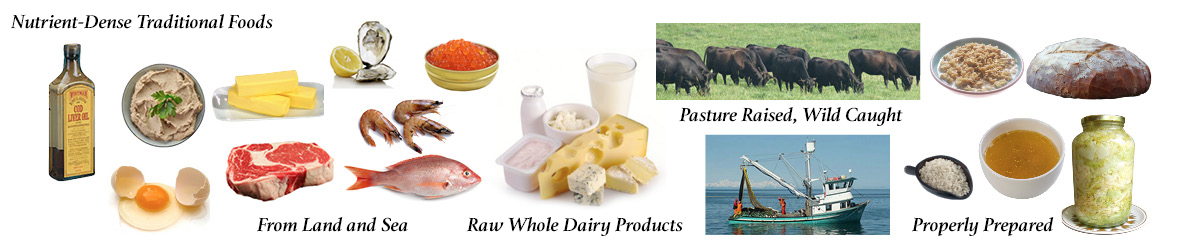
The remedy is to ensure adequate supplies of these vital minerals. My approach is to follow the dietary guidelines in Nourishing Traditions, making sure that the diet contains adequate calcium and magnesium with plentiful whole dairy products, bone broths and lightly cooked green vegetables along with certain nutrient-dense animal products such as butter, organ meats and shellfish. These will provide a calcium- and magnesium-rich diet as well as the fat-soluble vitamins neccessary for their absorption.
In addition, I recommend a supplement for six months of 4,000 IU of Vitamin D, available from Carlson Labs, and six tablets of calcium lactate from Standard Process (which includes magnesium lactate in the correct calcium-to-magnesium ratio.) Most people will see results from this supplementation in about three to four weeks.
The other cause of cramps can be strenuous exercise, which causes lactic acid, the byproduct of muscle metabolism, to build up in the muscle tissue. The purpose of the lactic acid buildup is to shut off these contractions. It is the signal the body uses to inform the muscles that they have exerted themselves enough. Clearly, as you increase your exercise tolerance, you will be able to exercise longer before the lactic acid builds up to sufficient levels to shut down the contractions through cramps. Athletes are always looking for ways to increase the ability of their muscles to contract before cramps occur.
Recently, there was a report that the Brigham Young football team has come up with a novel solution to this problem. Before each game, again at halftime and once again after the game, each player is required to drink a small glass of pickle juice. According to the training staff, the once common problem of cramping during the games has disappeared.
This is a very interesting and somewhat paradoxical solution to the problem of cramps —although one that should come as no surprise to our readers—because pickles and other fermented vegetables contain lactic acid, the very chemical thought to be the culprit.
How is it that drinking lactic acid actually prevents cramps, which otherwise are caused by the body’s own overproduction of this chemical? Unfortunately, the answer is still a bit of a mystery. My own guess is that the slight acidifying effect of oral lactic acid makes the calcium and magnesium more available to the body, allowing it to produce more alkaline substances, which in turn neutralize the lactic acid buildup in the muscles.
In any case, while the scientific explanation for the mechanism of relieving a problem such as cramps may be obscure, the fact that it does so is unquestioned.
You can make your own lactofermented cabbage juice (see the recipe in Nourishing Traditions) or purchase traditionally made pickles (such as Bubbies brand) to drink before and during strenuous physical exercise. A serving of traditionally made sauerkraut or kim chee at dinner will help prevent nighttime cramps.
I encourage anyone with cramps and all athletes to try the above two simple approaches and discover yet another example of the beauty and benefit of the traditional dietary approach to medicine.
This article appeared in Wise Traditions in Food, Farming and the Healing Arts, the quarterly magazine of the Weston A. Price Foundation, Fall 2000.
🖨️ Print post

I used to struggle monthly with menstrual cramps to the point where I was asking God to “just take me now’. I would come very close to passing out from the pain. After the ibuprofen would kick in, and the pain would subside, I would suddenly fall asleep for about 20 minutes.
The last time I had this happen was about 6 months ago, but here are the things I took close inventory of on the months I DID have the pain (I hesitate to call them cramps, because it was much worse):
–I had binged on sugary treats
–I had let go of my eating standards and eaten plenty of processed foods (especially crackers and cereals)
Here are the things I noticed on the months I didn’t have the pain:
–I had been told years ago when the pain started, by a chiropractor who sold Standard Process, that mild or intense menstrual cramps were a result of a deficiency in Vitamin E. So I began taking a Tblsp of Wheat Germ Oil in my oatmeal at least every other day. The first month I did that, I had ZERO pain. Not even the slightest cramp. Cool!
–I had gotten considerably more exercise, fresh air, and sunshine
–I stayed away from sugar and processed foods.
I am definitely not a professional and don’t know what all of this is doing inside my body, but I know what helped me. I hope this can be of help to anyone out there who is suffering from menstrual cramps. Also, I’d be interested to have a response from the WAPF to see what your opinion and insights to this would be.
I am a 51 year old female and was recently diagnosed with having sarcocystina parasite . Normal human amount 50 units.
My bloodwork showed 1049 units . After almost a month and a half of holistic treatment . Numbers are at 940.
Symptoms include muscle , tendon pain. Injuries prolonged healing. Painful feet etc . Any suggestions ? Navigated through site but unable to find what I’m liking for. Trying to learn more about this parasite that affects muscles. Etc. Solutions?
Thank you so much!
Hello!
You should try chlorine dioxide solution ((cds).. also known as MMS.
It’s very potent against parasites. You can drink it in your water, and it has no side effects (if correct dosage is respected). Standard dose is 10ml per day, but in your case you should start with a lower dose and build up the dose to a higher concentration.
Hope this will help you. God bless
I also was told that nettle tea is high in magnesium and is good to drink 2 weeks before and during your period. Hope this also helps anyone who is looking for a herbal tea for period pains ?