


 🖨️ Print post
Additional Translations: Swahili, Español, Hebrew, Hebrew -trifold-summary, Greek, Portuguese
Learn about the meaning behind our logo above.
This is a Web version of 28-page printed informational 28-page printed informational booklet. You may order printed copies via our Store.
The Weston A. Price Foundation only accepts contributions from members and/or private donations, and does not accept funds from the meat or dairy industries.
Life in all its splendor is Mother Nature obeyed. – Weston A. Price, DDS
Contents
About Dr. Weston A. Price
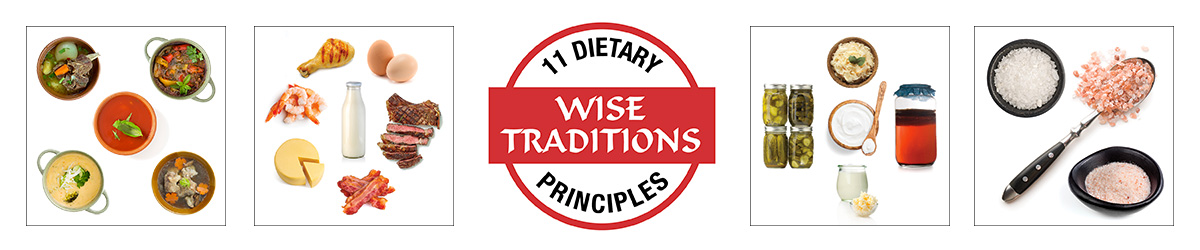
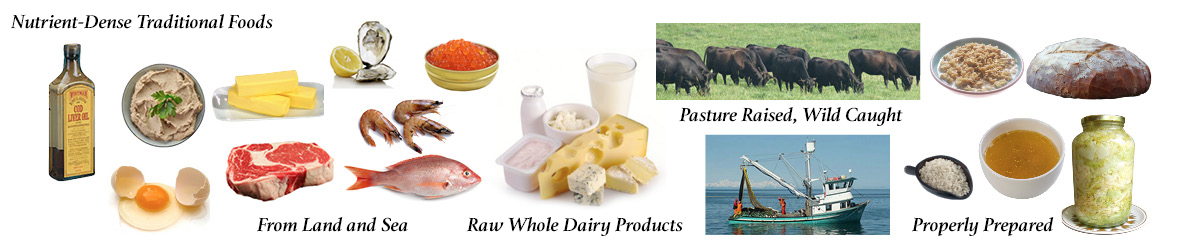
Characteristics of Traditional Diets – 11 Principles
Dietary Guidelines
Dietary Dangers
Confused about Fats?
The Many Roles of Saturated Fats
The Fat-Soluble Activators
What’s Wrong With “Politically Correct” Nutrition?
Traditional vs. Modern Diets
Myths and Truths About Nutrition
Myths and Truths About Soy
Soy Infant Formula: Birth Control Pills for Babies
Coronary Heart Disease: What the Expert Say
Principles of Holistic Dentistry
The Weston A. Price Foundation
Become a Member of the Weston A. Price Foundation
About Dr. Weston A. Price
 In the early 1930s, a Cleveland dentist named Weston A. Price (1870-1948) began a series of unique investigations. His portrait on the left is provided courtesy of the Price-Pottenger Nutrition Foundation who owns the copyright.
For over ten years, he traveled to isolated parts of the globe to study the health of populations untouched by western civilization. His goal was to discover the factors responsible for good dental health. His studies revealed that dental caries and deformed dental arches resulting in crowded, crooked teeth are the result of nutritional deficiencies, not inherited genetic defects.
The groups Price studied included remote villages in Switzerland, Gaelic communities in the Outer Hebrides, indigenous peoples of North and South America, Melanesian and Polynesian South Sea Islanders, African tribes, Australian Aborigines and New Zealand Maori. Wherever he went, Dr. Price found that beautiful straight teeth, freedom from decay, good physiques, resistance to disease and fine characters were typical of native groups on their traditional diets, rich in essential nutrients.
When Dr. Price analyzed the foods used by isolated peoples he found that, in comparison to the American diet of his day, they provided at least four times the water-soluble vitamins, calcium and other minerals, and at least TEN times the fat-soluble vitamins, from animal foods such as butter, fish eggs, shellfish, organ meats, eggs and animal fats—the very cholesterol-rich foods now shunned by the American public as unhealthful. These healthy traditional peoples knew instinctively what scientists of Dr. Price’s day had recently discovered—that these fat-soluble vitamins, vitamins A and D, were vital to health because they acted as catalysts to mineral absorption and protein utilization. Without them, we cannot absorb minerals, no matter how abundant they may be in our food. Dr. Price discovered an additional fat-soluble nutrient, which he labeled Activator X, that is present in fish livers and shellfish, and organ meats and butter from cows eating rapidly growing green grass in the spring and fall. All indigenous groups had a source of Activator X, now thought to be vitamin K2, in their diets.
The isolated groups Dr. Price investigated understood the importance of preconceptual nutrition for both parents. Many tribes required a period of special feeding before conception, in which nutrient-dense animal foods were given to young men and women. These same foods were considered important for pregnant and lactating women and growing children. Price discovered them to be particularly rich in minerals and in the fat-soluble activators found only in animal fats.
The isolated people Price photographed—with their fine bodies, ease of reproduction, emotional stability and freedom from degenerative ills—stand in sharp contrast to civilized moderns subsisting on the “displacing foods of modern commerce,” including sugar, white flour, pasteurized milk, lowfat foods, vegetable oils and convenience items filled with extenders and additives.
The discoveries and conclusions of Dr. Price are presented in his classic volume, Nutrition and Physical Degeneration. The book contains striking photographs of handsome, healthy, indigenous people that illustrate in an unforgettable way the physical degeneration that occurs when human groups abandon nourishing traditional diets in favor of modern convenience foods.
The photographs Dr. Weston Price took illustrate the difference in facial structure between those on native diets and those whose parents had adopted the “civilized” diets of devitalized processed foods. The “primitive” Seminoles pictured on the left have wide, attractive faces with plenty of room for the dental arches. The “modernized” Seminole girl on the right, born to parents who had abandoned their traditional diets, has a narrowed face, crowded teeth and a reduced immunity to disease. Photos courtesy of the Price-Pottenger Nutrition Foundation, who owns the copyrights. All rights reserved.
Characteristics of Traditional Diets – 11 Principles
- The diets of healthy, nonindustrialized peoples contain no refined or denatured foods or ingredients, such as refined sugar or high fructose corn syrup; white flour; canned foods; pasteurized, homogenized, skim or lowfat milk; refined or hydrogenated vegetable oils; protein powders; synthetic vitamins; or toxic additives and artificial colorings.
- All traditional cultures consume some sort of animal food, such as fish and shellfish; land and water fowl; land and sea mammals; eggs; milk and milk products; reptiles; and insects. The whole animal is consumed—muscle meat, organs, bones and fat, with the organ meats and fats preferred.
- The diets of healthy, nonindustrialized peoples contain at least four times the minerals and water-soluble vitamins, and TEN times the fat-soluble vitamins found in animal fats (vitamin A, vitamin D and Activator X, now thought to be vitamin K2) as the average American diet.
- All traditional cultures cooked some of their food but all consumed a portion of their animal foods raw.
- Primitive and traditional diets have a high content of food enzymes and beneficial bacteria from lactofermented vegetables, fruits, beverages, dairy products, meats and condiments.
- Seeds, grains and nuts are soaked, sprouted, fermented or naturally leavened to neutralize naturally occurring anti-nutrients such as enzyme inhibitors, tannins and phytic acid.
- Total fat content of traditional diets varies from 30 percent to 80 percent of calories but only about 4 percent of calories come from polyunsaturated oils naturally occurring in grains, legumes, nuts, fish, animal fats and vegetables. The balance of fat calories is in the form of saturated and monounsaturated fatty acids.
- Traditional diets contain nearly equal amounts of omega-6 and omega-3 essential fatty acids.
- All traditional diets contain some salt.
- All traditional cultures make use of animal bones, usually in the form of gelatin-rich bone broths.
- Traditional cultures make provisions for the health of future generations by providing special nutrient-rich animal foods for parents-to-be, pregnant women and growing children; by proper spacing of children; and by teaching the principles of right diet to the young.
See an entire section on our website that covers our 11 Wise Traditions Dietary Principles in detail!
Dietary Guidelines
- Eat whole, unprocessed foods.
- Eat beef, lamb, game, organ meats, poultry and eggs from pasture-fed animals.
- Eat wild fish (not farm-raised), fish eggs and shellfish from unpolluted waters.
- Eat full-fat milk products from pasture-fed cows, preferably raw and/or fermented, such as raw milk, whole yogurt, kefir, cultured butter, full-fat raw cheeses and fresh and sour cream.
- Use animal fats, such as lard, tallow, egg yolks, cream and butter liberally.
- Use only traditional vegetable oils—extra virgin olive oil, expeller-expressed sesame oil, small amounts of expeller-expressed flax oil, and the tropical oils—coconut oil, palm oil and palm kernel oil.
- Take cod liver oil regularly to provide at least 10,000 IU vitamin A and 1,000 IU vitamin D per day.
- Eat fresh fruits and vegetables, preferably organic. Use vegetables in salads and soups, or lightly steamed with butter.
- Use organic whole grains, legumes and nuts that have been prepared by soaking, sprouting or sour leavening to neutralize phytic acid, enzyme inhibitors and other anti-nutrients.
- Include enzyme-rich lacto-fermented vegetables, fruits, beverages and condiments in your diet on a regular basis.
- Prepare homemade stocks from the bones of pastured poultry, beef, pork and lamb fed non-GMO feed, and from wild seafood. Use liberally in soups, stews, gravies and sauces.
- Use filtered water for cooking and drinking.
- Use unrefined salt and a variety of herbs and spices for food interest and appetite stimulation.
- Make your own salad dressing using raw vinegar, extra virgin olive oil and a small amount of expeller-expressed flax oil.
- Use traditional sweeteners in moderation, such as raw honey, maple syrup, maple sugar, date sugar, dehydrated cane sugar juice (sold as Rapadura) and green stevia powder.
- Use only unpasteurized wine or beer in strict moderation with meals.
- Cook only in stainless steel, cast iron, glass or good quality enamel.
- Use only natural, food-based supplements.
- Get plenty of sleep, exercise and natural light.
- Think positive thoughts and practice forgiveness.
Dietary Dangers
- Do not eat commercially processed foods such as cookies, cakes, crackers, TV dinners, soft drinks, packaged sauce mixes, etc. Read labels!
- Avoid all refined sweeteners such as sugar, dextrose, glucose, high fructose corn syrup and fruit juices.
- Avoid white flour, white flour products and white rice.
- Avoid all hydrogenated or partially hydrogenated fats and oils.
- Avoid all industrial polyunsaturated seed oils made from soy, corn, safflower, canola or cottonseed.
- Avoid foods cooked or fried in polyunsaturated oils or partially hydrogenated seed oils.
- Do not practice veganism. Animal products provide vital nutrients not found in plant foods.
- Avoid products containing protein powders as they usually contain carcinogens or damaged proteins formed during processing. Likewise, avoid lean meat, skinless poultry, reduced-fat milk and egg whites without the yolks. Consumption of protein without the cofactors occurring in animal fats can lead to deficiencies, especially of vitamin A.
- Avoid processed, pasteurized milk; do not consume ultrapasteurized milk products, lowfat milk, skim milk, powdered milk or imitation milk products.
- Avoid factory-farmed eggs, meats and fish.
- Avoid highly processed lunch meats and sausage.
- Avoid rancid and improperly prepared seeds, nuts and grains found in granolas, quick rise breads and extruded breakfast cereals, as they block mineral absorption and cause intestinal distress.
- Avoid canned, sprayed, waxed and irradiated fruits and vegetables. Avoid genetically modified foods (found in most soy, canola and corn products).
- Avoid artificial food additives, especially MSG, hydrolyzed vegetable protein and aspartame, which are neurotoxins. Most soups, sauce and broth mixes and most commercial condiments contain MSG, even if not indicated on the label.
- Avoid caffeine and related substances in coffee, tea and chocolate.
- Avoid aluminum-containing foods such as commercial salt, baking powder and antacids. Do not use aluminum cookware or deodorants containing aluminum.
- Do not drink fluoridated water.
- Avoid synthetic vitamins and foods containing them.
- Avoid distilled liquors.
- Do not use a microwave oven.
Confused About Fats?
The following nutrient-rich traditional fats have nourished healthy population groups for thousands of years:
For Cooking
- Butter, preferably pasture-fed
- Tallow and suet from beef and lamb
- Lard from pigs
- Chicken, goose and duck fat
- Coconut, palm and palm kernel oils
For Salads
- High-oleic olive oil
- Expeller-expressed sesame and high-oleic sunflower oil, (in small amounts)
- Expeller-expressed flax oil (in small amounts)
- Cold-pressed fish liver oils such as cod liver oil (not fish oils, which do not provide fat-soluble vitamins, can cause an overdose of unsaturated fatty acids,are rancid from processing and usually come from farmed fish.)
WARNING: The following can cause cancer, heart disease, immune system dysfunction, sterility, learning disabilities, growth problems and osteoporosis:
- All hydrogenated and partially hydrogenated oils
- Industrially processed liquid oils such as soy, corn, safflower, cottonseed and canola
- Fats and oils (especially polyunsaturated vegetable oils) heated to very high temperatures in processing and frying.
The Many Roles of Saturated Fat
Saturated fats, such as butter, meat fats, coconut oil and palm oil, tend to be solid at room temperature. According to conventional nutritional dogma, these traditional fats are to blame for most of our modern diseases—heart disease, cancer, obesity, diabetes, malfunction of cell membranes and even nervous disorders like multiple sclerosis. However, many scientific studies indicate that it is processed liquid vegetable oil—which is laden with free radicals formed during processing—and artificially hardened vegetable oil—called trans fat—that are the culprits in these modern conditions, not natural saturated fats.
Humans need saturated fats because we are warm blooded. Our bodies do not function at room temperature, but at a tropical temperature. Saturated fats provide the appropriate stiffness and structure to our cell membranes and tissues. When we consume a lot of liquid unsaturated oils, our cell membranes do not have structural integrity to function properly, they become too “floppy,” and when we consume a lot of trans fat, which is not as soft as saturated fats at body temperature, our cell membranes become too “stiff.”
Contrary to the accepted view, which is not scientifically based, saturated fats do not clog arteries or cause heart disease. In fact, the preferred food for the heart is saturated fat; and saturated fats lower a substance called Lp(a), which is a very accurate marker for proneness to heart disease.
Saturated fats play many important roles in the body chemistry. They strengthen the immune system and are involved in inter-cellular communication, which means they protect us against cancer. They help the receptors on our cell membranes work properly, including receptors for insulin, thereby protecting us against diabetes. The lungs cannot function without saturated fats, which is why children given butter and full-fat milk suffer less often from asthma than children given reduced-fat milk and margarine. Saturated fats are also involved in kidney function and hormone production.
Saturated fats are required for the nervous system to function properly, and over half the fat in the brain is saturated. Saturated fats also help suppress inflammation. Finally, saturated animal fats carry the vital fat-soluble vitamins A, D and K2, which we need in large amounts to be healthy.
Human beings have been consuming saturated fats from animals products, milk products and the tropical oils for thousands of years; it is mainly the advent of modern processed vegetable oil that ihas caused the epidemic of modern degenerative disease―not the consumption of saturated fats.
The Fat-Soluble Activators
The crux of Dr. Price’s research has to do with what he called the “fat-soluble activators,” vitamins found in the fats and organ meats of grass-fed animals and in certain seafoods, such as fish eggs, shellfish, oily fish and fish liver oil. The three fat-soluble activators are vitamin A, vitamin D and a nutrient he referred to as Activator X, now considered to be vitamin K2, the animal form of vitamin K. In traditional diets, levels of these key nutrients were about ten times higher than levels in diets based on the foods of modern commerce, containing sugar, white flour and vegetable oil. Dr. Price referred to these vitamins as activators because they serve as the catalysts for mineral absorption. Without them, minerals cannot be used by the body, no matter how plentiful they may be in the diet.
Modern research completely validates the findings of Dr. Price. We now know that vitamin A is vital for mineral and protein metabolism, the prevention of birth defects, the optimum development of infants and children, protection against infection, the production of stress and sex hormones, thyroid function, and healthy eyes, skin and bones. Vitamin A is depleted by stress, infection, fever, heavy exercise, exposure to pesticides and industrial chemicals, and excess protein consumption (hence our warnings against the consumption of excess protein in the form of lean meat, lowfat milk and protein powders.)
Modern research has also revealed the many roles played by vitamin D, which is needed for mineral metabolism, healthy bones and nervous system, muscle tone, reproductive health, insulin production, protection against depression, and protection against chronic diseases like cancer and heart disease.
Vitamin K2 plays an important role in growth and facial development, normal reproduction, development of healthy bones and teeth, protection against calcification and inflammation of the arteries, myelin synthesis and learning capacity.
Modern literature on diet and health is rife with misinformation about the fat-soluble vitamins. Many health writers claim that humans can obtain adequate vitamin A from plant foods. But the carotenes in plant foods are not true vitamin A. Instead, they serve as precursors that are converted into vitamin A in the small intestine. Human beings are not good converters of vitamin A, especially as infants or when they suffer from diabetes, thyroid problems or intestinal disorders. Thus, for optimal health, humans require animal foods containing liberal amounts of true vitamin A. Similarly, many claim that adequate vitamin D can be obtained from a short daily exposure to sunlight. But the body only makes vitamin D when the sun is directly overhead, that is, in the summer months, during midday. For most of the year (and even in the summer for those who do not make a practice of sunbathing), humans must obtain vitamin D from foods. As for vitamin K2, most health books mention only its role in blood clotting, without recognizing the many other vital roles played by this nutrient.
Vitamins A, D and K2 work synergistically. Vitamins A and D tell cells to make certain proteins; after the cellular enzymes make these proteins, they are activated by vitamin K2. This synergy explains reports of toxicity from taking vitamins A, D or K2 in isolation. All three of these nutrients must come together in the diet or the body will develop deficiencies in the missing activators.
The vital roles of these fat-soluble vitamins and the high levels found in the diets of healthy traditional peoples confirm the importance of pasture-feeding livestock. If domestic animals are not consuming green grass, vitamins A and K2 will be largely missing from their fat, organ meats, butterfat and egg yolks; if the animals are not raised in the sunlight, vitamin D will be largely missing from these foods.
Because it is so difficult to obtain adequate fat-soluble activators in the modern diet, Dr. Price recommended cod liver oil to provide vitamins A and D, along with a source of vitamin K2, such as butter from grass-fed animals or what he called high-vitamin butter oil, made by low-temperature centrifuging of butter from cows eating rapidly growing grass. (Aged cheese and the fat of ducks and geese are other excellent sources of vitamin K2..)Consumed in liberal amounts during pregnancy, lactation and the period of growth, these nutrients ensure the optimal physical and mental development of children; consumed by adults, these nutrients protect against acute and chronic disease.
It is important to choose cod liver oil with care as many brands contain very little vitamin D, with potential toxicity of vitamin A. For recommended brands see westonaprice.org/cod-liver-oil/.
What’s Wrong With “Politically Correct” Nutrition?
“Avoid saturated fats.”
Saturated fats play many important roles in the body. They provide integrity to the cell wall, promote the body’s use of essential fatty acids, enhance the immune system, protect the liver and contribute to strong bones. The lungs and the kidneys cannot work without saturated fat. Saturated fats do not cause heart disease. In fact, saturated fats are the preferred food for the heart. Because your body needs saturated fats, it makes them out of carbohydrates and excess protein when there are not enough in the diet.
“Limit cholesterol.”
Dietary cholesterol contributes to the strength of the intestinal wall and helps babies and children develop a healthy brain and nervous system. Foods that contain cholesterol also provide many other important nutrients. Only oxidized cholesterol, found in most powdered milk and powdered eggs, contributes to heart disease. Powdered milk is added to 1% and 2% milk.
“Use more polyunsaturated oils.”
Polyunsaturates in more than small amounts contribute to cancer, heart disease, autoimmune diseases, learning disabilities, intestinal problems and premature aging. Large amounts of polyunsaturated fats are new to the human diet, due to the modern use of commercial liquid vegetable oils. Even olive oil, a monounsaturated fat considered to be healthy, can cause imbalances at the cellular level if consumed in large amounts.
“Avoid red meat.”
Red meat is a rich source of nutrients that protect the heart and nervous system; these include vitamins B12 and B6, zinc, phosphorus, carnitine and coenzyme-Q10.
“Cut back on eggs.”
Eggs are nature’s perfect food, providing excellent protein, the gamut of vitamins and important fatty acids that contribute to the health of the brain and nervous system. Americans had less heart disease when they ate more eggs. Egg substitutes cause rapid death in test animals.
“Restrict salt.”
Salt is crucial to digestion and assimilation. Salt is also necessary for the development and function of the nervous system.
“Eat lean meat and drink lowfat milk.”
Lean meat and lowfat milk lack fat-soluble vitamins needed to assimilate the protein and minerals in meat and milk. Consumption of lowfat foods can lead to depletion of vitamin A and D reserves.
“Limit fat consumption to 30 percent of calories.”
Thirty percent of calories as fat is too low for most people, leading to low blood sugar and fatigue. Traditional diets contained 30 percent to 80 percent of calories as healthy fats, mostly of animal origin.
“Eat 6-11 servings of grains per day.”
Most grain products are made from white flour, which is devoid of nutrients. Additives in white flour can cause vitamin deficiencies. Whole grain products can cause mineral deficiencies and intestinal problems unless properly prepared.
“Eat at least 5 servings of fruits and vegetables per day.”
Fruits and vegetables receive an average of ten applications of pesticides from seed to storage. Consumers should seek out organic produce. Quality counts!
“Eat more soy foods.”
Modern soy foods block mineral absorption, inhibit protein digestion, depress thyroid function and contain potent carcinogens.
Traditional Versus Modern Diets
| Traditional Diets Maximized Nutrients | Modern Diets Minimize Nutrients |
| Foods from fertile soil | Foods from depleted soil |
| Organ meats preferred over muscle meats | Muscle meats preferred, few organ meats |
| Natural animal fats | Processed vegetable oils |
| Animals on pasture | Animals in confinement |
| Dairy products raw and/or fermented | Dairy products pasteurized or ultrapasteurized |
| Grains and legumes soaked and/or fermented | Grains refined, and/or extruded |
| Soy foods given long fermentation, consumed in small amounts | Soy foods industrially processed, consumed in large amounts |
| Bone broths | MSG, artificial flavorings |
| Unrefined sweeteners | Refined sweeteners |
| Lacto-fermented vegetables | Processed, pasteurized pickles |
| Lacto-fermented beverages | Modern soft drinks |
| Unrefined salt | Refined salt |
| Natural vitamins occurring in foods | Synthetic vitamins taken alone or added to foods |
| Traditional cooking | Microwave, Irradiation |
| Traditional seeds, open pollination | Hybrid seeds, GMO seeds |
Myths and Truths About Nutrition
Myth: Heart disease in America is caused by consumption of cholesterol and saturated fat from animal products.
Truth: During the period of rapid increase in heart disease (1920-1960), American consumption of animal fats declined but consumption of hydrogenated and industrially processed vegetable fats increased dramatically (USDA-HNIS).
Myth: Saturated fat clogs arteries.
Truth: The fatty acids found in artery clogs are mostly unsaturated (74%) of which 41% are polyunsaturated (Lancet 1994 344:1195).
Myth: Vegetarians live longer.
Truth: The annual all-cause death rate of vegetarian men is slightly more than that of non-vegetarian men (0.93% vs 0.89%); the annual all-cause death rate of vegetarian women is significantly more than that of non-vegetarian women (0.86% vs 0.54%) (Wise Traditions 2000 1:4:16-17).
Myth: Vitamin B12 can be obtained from certain plant sources such as blue-green algae and fermented soy products.
Truth: Vitamin B12 is not absorbed from plant sources. Modern soy products actually increase the body’s need for B12 (Soybeans: Chemistry & Technology Vol 1 1972).
Myth: For good health, serum cholesterol should be less than 180 mg/dl.
Truth: The all-cause death rate is higher in individuals with cholesterol levels lower than 180 mg/dl (Circulation 1992 86:3).
Myth: Animal fats cause cancer and heart disease.
Truth: Animal fats contain many nutrients that protect against cancer and heart disease; elevated rates of cancer and heart disease are associated with consumption of large amounts of vegetable oil (Federation Proceedings July 1978 37:2215).
Myth: Children benefit from a lowfat diet.
Truth: Children on lowfat diets suffer from growth problems, failure to thrive and learning disabilities (Am J Dis Child 1989 May;143(5):537-42).
Myth: A lowfat diet will make you “feel better…and increase your joy of living.”
Truth: Lowfat diets are associated with increased rates of depression, psychological problems, fatigue, violence and suicide (Br J Nutr 1998 Jan;79(1) 23-30).
Myth: To avoid heart disease, we should use margarine instead of butter.
Truth: Margarine eaters have twice the rate of heart disease as butter eaters (Nutrition Week 3/22/91 21:12).
Myth: Americans do not consume enough essential fatty acids (EFAs).
Truth: Americans consume far too much of one kind of EFA (omega-6 EFAs found in most polyunsaturated vegetable oils) but not enough of another kind of EFA (omega-3 EFAs found in fish, fish oils, eggs from pasture-fed chickens, dark green vegetables and herbs, and oils from certain seeds such as flax and chia, nuts such as walnuts and in small amounts in all whole grains) (American Journal of Clinical Nutrition 1991 54:438-63).
Myth: The “cave man diet” was low in fat.
Truth: Throughout the world, indigenous peoples sought out and consumed fat from fish and shellfish, water fowl, sea mammals, land birds, insects, reptiles, rodents, bears, dogs, pigs, cattle, sheep, goats, game, eggs, nuts and milk products (Abrams, Food & Evolution 1987).
Myth: A vegetarian diet will protect you against atherosclerosis.
Truth: The International Atherosclerosis Project found that vegetarians had just as much atherosclerosis as meat eaters (Laboratory Investigations 1968 18:498).
Myth: Lowfat diets prevent breast cancer.
Truth: A recent study found that women on very lowfat diets (less than 20%) had the same rate of breast cancer as women who consumed large amounts of fat (New England Journal of Medicine 2/8/96).
Myth: Coconut oil causes heart disease.
Truth: When coconut oil was fed as 7% of calories to patients recovering from heart attacks, the patients had greater improvement compared to untreated controls, and no difference compared to patients treated with corn or safflower oils. Populations who consume coconut oil have low rates of heart disease. Coconut oil may also be one of the most useful oils to prevent heart disease because of its antiviral and antimicrobial characteristics (Journal of the American Medical Association 1967 202:1119-1123; American Journal of Clinical Nutrition 1981 34:1552).
Myth: Saturated fats inhibit production of anti-inflammatory prostaglandins.
Truth: Saturated fats actually improve the production of all prostaglandins by facilitating the conversion of essential fatty acids (“Tripping Lightly Down the Prostaglindin Pathways,” westonaprice.org).
Myth: Arachidonic acid in foods like liver, butter and egg yolks causes production of “bad” inflammatory prostaglandins.
Truth: Series 2 prostaglandins that the body makes from arachidonic acid both encourage and inhibit inflammation under appropriate circumstances. Arachidonic acid is vital for the function of the brain and nervous system (Ibid).
Myth: Beef causes colon cancer
Truth: Argentina, with higher beef consumption, has lower rates of colon cancer than the US. Mormons have lower rates of colon cancer than vegetarian Seventh Day Adventists (Cancer Research 1975 35:3513).
Myths and Truths About Soy
Myth: Use of soy as a food dates back many thousands of years.
Truth: Soy was first used as a food during the late Chou dynasty (1134-246 BC) only after the Chinese learned to ferment soy beans to make foods like tempeh, natto and tamari.
Myth: Asians consume large amounts of soy foods.
Truth: Average consumption of soy foods in China is 10 grams (about 2 teaspoons) per day and up to 60 grams in parts of Japan. Asians consume soy foods in small amounts as a condiment, and not as a replacement for animal foods.
Myth: Modern soy foods confer the same health benefits as traditionally fermented soy foods.
Truth: Most modern soy foods are not fermented to neutralize toxins in soybeans, and are processed in a way that denatures proteins and increases levels of carcinogens.
Myth: Soy foods provide complete protein.
Truth: Like all legumes, soybeans are deficient in sulfur-containing amino acids methionine and cystine. In addition, modern processing denatures fragile lysine.
Myth: Fermented soy foods can provide vitamin B12 in vegetarian diets.
Truth: The compound that resembles vitamin B12 in soy cannot be used by the human body; in fact, soy foods cause the body to require more B12.
Myth: Soy formula is safe for infants.
Truth: Soy foods contain trypsin inhibitors that inhibit protein digestion and affect pancreatic function. In test animals, diets high in trypsin inhibitors led to stunted growth and pancreatic disorders. Soy foods increase the body’s requirement for vitamin D, needed for strong bones and normal growth. Phytic acid in soy foods results in reduced bioavailabilty of iron and zinc which are required for the health and development of the brain and nervous system. Soy also lacks cholesterol, likewise essential for the development of the brain and nervous system. Megadoses of phytoestrogens in soy formula have been implicated in the current trend toward increasingly premature sexual development in girls and delayed or retarded sexual development in boys.
Myth: Soy foods can prevent osteoporosis.
Truth: Soy foods can cause deficiencies in calcium and vitamin D, both needed for healthy bones. Calcium from bone broths and vitamin D from seafood, lard and organ meats prevent osteoporosis in Asian countries—not soy foods.
Myth: Modern soy foods protect against many types of cancer.
Truth: A British government report concluded that there is little evidence that soy foods protect against breast cancer or any other forms of cancer. In fact, soy foods may result in an increased risk of cancer.
Myth: Soy foods protect against heart disease.
Truth: In some people, consumption of soy foods will lower cholesterol, but there is no evidence that lowering cholesterol lowers one’s risk of developing heart disease.
Myth: Soy estrogens (isoflavones) are good for you.
Truth: Soy isoflavones are phyto-endocrine disrupters. At dietary levels, they can prevent ovulation and stimulate the growth of cancer cells. Eating as little as 30 mg isoflavones (from about 30 g soy protein) per day can result in hypothyroidism with symptoms of lethargy, constipation, weight gain and fatigue.
Myth: Soy foods are safe and beneficial for women to use in their postmenopausal years.
Truth: Soy foods can stimulate the growth of estrogen-dependent tumors and cause thyroid problems. Low thyroid function is associated with difficulties in menopause.
Myth: Phytoestrogens in soy foods can enhance mental ability.
Truth: A recent study found that women with the highest levels of estrogen in their blood had the lowest levels of cognitive function; in Japanese Americans, tofu consumption in midlife is associated with the occurrence of Alzheimer’s disease in later life.
Myth: Soy isoflavones and soy protein isolate have GRAS (Generally Recognized as Safe) status.
Truth: Archer Daniels Midland (ADM) recently withdrew its application to the FDA for GRAS status for soy isoflavones following an outpouring of protest from the scientific community. The FDA never approved GRAS status for soy protein isolate because of concern regarding the presence of toxins and carcinogens in processed soy.
Myth: Soy foods are good for your sex life.
Truth: Numerous animal studies show that soy foods cause infertility in animals. Soy consumption lowers testosterone levels in men. Tofu was consumed by Buddhist monks to reduce libido.
Myth: Soybeans are good for the environment.
Truth: Most soybeans grown throughout the world are genetically engineered to allow farmers to use large amounts of herbicides, creating toxic runoff.
Myth: Soybeans are good for developing nations.
Truth: In Third World countries, soybeans replace traditional crops and transfer the value added of processing from the local population to multinational corporations.
Soy Infant Formula: Birth Control Pills for Babies
Babies fed soy-based formula have 13,000 to 22,000 times more estrogen compounds in their blood than babies fed milk-based formula. Infants exclusively fed soy formula receive the estrogenic equivalent (based on body weight) of at least five birth control pills per day.
Male infants undergo a “testosterone surge” during the first few months of life, when testosterone levels may be as high as those of an adult male. During this period, baby boys are programmed to express male characteristics after puberty, not only in the development of their sexual organs and other masculine physical traits, but also in setting patterns in the brain characteristic of male behavior.
In animals, soy feeding indicates that phytoestrogens in soy are powerful endocrine disrupters. Soy infant feeding reduces testosterone levels in male marmoset monkeys as much as 70% and cannot be ignored as a possible cause of disrupted development patterns in boys, including learning disabilities and attention deficit disorder. Male children exposed to DES, a synthetic estrogen, had testes smaller than normal on maturation.
Almost 15 percent of white girls and 50 percent of African-American girls show signs of puberty, such as breast development and pubic hair, before the age of eight. Some girls are showing sexual development before the age of three. Premature development of girls has been linked to the use of soy formula and exposure to environmental estrogen-mimickers such as PCBs and DDE.
Animal studies indicate that consumption of more than minimal amounts of phytoestrogens during pregnancy may have adverse affects on the developing fetus, the timing of puberty later in life, and thinking and behavior patterns, especially in male offspring.
For a full list of references and further information on the dangers of modern soy products visit our Soy Alert! section.
Coronary Heart Disease: What the Experts Say
“In Framingham, Massachusetts, the more saturated fat one ate, the more cholesterol one ate, the more calories one ate, the lower people’s serum cholesterol. . . we found that the people who ate the most cholesterol, ate the most saturated fat, ate the most calories weighed the least and were the most physically active.” – William Castelli, MD, Director, The Framingham Study
“The diet-heart hypothesis has been repeatedly shown to be wrong, and yet, for complicated reasons of pride, profit and prejudice, the hypothesis continues to be exploited by scientists, fund-raising enterprises, food companies and even governmental agencies. The public is being deceived by the greatest health scam of the century.” – George Mann, ScD, MD, Former Co-Director, The Framingham Study
“An analysis of cholesterol values . . . in 1,700 patients with atherosclerotic disease revealed no definite correlation between serum cholesterol levels and the nature and extent of atherosclerotic disease.” – Michael DeBakey, MD, Famous Heart Surgeon
“The relevant literature [on CHD] is permeated with fraudulent material that is designed to convert negative evidence into positive evidence with respect to the lipid hypothesis. That fraud is relatively easy to detect.”– Russell L. Smith, PhD
“Whatever causes coronary heart disease, it is not primarily a high intake of saturated fat.” – Michael Gurr, PhD, Renowned Lipid Chemist, Author of authoritative study on CHD
Again, please note that the Weston A. Price Foundation is supported solely by membership contributions and private donations and does not accept funding from the meat or dairy industries.
Principles of Holistic Dentistry
In addition to his work on nutrition, Dr. Price conducted extensive research into the destructive effects of root canals, detailed in his two-volume work Dental Infections Oral & Systemic and Dental Infections & the Degenerative Diseases. His conclusions, ignored by the orthodox dental establishment for over fifty years, are gaining renewed acceptance as holistic practitioners are discovering that the first step to recovery from degenerative disease often involves removal of all root canals from the patient’s mouth. The principles of holistic dentistry, based on the research of Weston Price, are as follows:
-
- Eat nutrient-dense whole foods, properly grow and prepared.
- Avoid root canals. If you have root canals and suspect that they are causing disease, have them removed by a knowledgeable dentist.
- Avoid mercury (amalgam) fillings. If you have amalgam fillings and suspect they are contributing to health problems, have them removed by a holistic dentist who specializes in mercury filling replacement.
- Orthodontics should include measures to widen the palate.
- When it is necessary to extract teeth, do so in such a way as to avoid leaving the jaw bone with cavitations, which can become focal points of infection.
Dr. Price consistently found that healthy isolated peoples, whose diets contained adequate nutrients from animal protein and fat, not only enjoyed excellent health but also had a cheerful, positive attitude to life. He noted that most prison and asylum inmates have facial deformities indicative of prenatal nutritional deficiencies. Photos courtesy of the Price-Pottenger Nutrition Foundation, who owns the copyright. All rights reserved.
The Weston A. Price Foundation
The Weston A. Price Foundation is a nonprofit, tax-exempt charity founded in 1999 to disseminate the research of nutrition pioneer Dr. Weston Price, whose studies of isolated nonindustrialized peoples established the parameters of human health and determined the optimum characteristics of human diets.
The Foundation is dedicated to restoring nutrient-dense foods to the American diet through education, research and activism and supports a number of movements that contribute to this objective including accurate nutrition instruction, organic and biodynamic farming, pasture-feeding of livestock, community-supported farms, honest and informative labeling, prepared parenting and nurturing therapies. Specific goals include establishment of universal access to clean, certified raw milk through A Campaign for RealMilk (www.realmilk.com) and a ban on the use of soy formula for infants through its Soy Alert! project.
The Foundation seeks to establish a laboratory to test nutrient content of foods, particularly butter produced under various conditions; to conduct research into the “X” Factor, discovered by Dr. Price; and to determine the effects of traditional preparation methods on nutrient content and availability in whole foods.
The board and membership of the Weston A. Price Foundation stand united in the belief that modern technology should be harnessed as a servant to the wise and nurturing traditions of our ancestors rather than used as a force that is destructive to the environment and human health; and that science and knowledge can validate those traditions.
The Foundation’s quarterly magazine, Wise Traditions in Food, Farming and the Healing Arts, is dedicated to exploring the scientific validation of dietary, agricultural and medical traditions throughout the world. It features illuminating and thought-provoking articles on current scientific research; human diets; nontoxic agriculture; and holistic therapies. In addition, it serves as a source for foods that have been conscientiously grown and processed.
An extensive system of local chapters also helps consumers find healthy foods available in their communities..
Become a Member of the Weston A. Price Foundation
Membership in The Weston A. Price Foundation® is your opportunity to receive our informative quarterly magazine Wise Traditions in Food, Farming and the Healing Arts and support our projects and objectives, including:
- Nutrient-Dense Foods
- Traditional Fats
- Lacto-Fermentation
- Broth Is Beautiful
- A Campaign for Real Milk
- Nourishing Our Children
- Truth in Labeling
- Prepared Parenting
- Soy Alert!
- Life-Giving Water
- Non-Toxic Farming
- Pasture-Fed Livestock
- Nurturing Therapies
- Community-Supported Agriculture
“I challenge anyone to find a more cutting-edge, transformative and provocative health magazine than Wise Traditions. With every issue I am awestruck at the no-holds-barred shattering of myths and distortions foisted on us by both mainstream and alternative sources.”
–MB, Nicasio, CA
“Wise Traditions appeals to people of all backgrounds. People with virtually no health or scientific training find this journal easy to comprehend and highly practical for making positive and often dramatic changes in their health. And some of the most advanced health practitioners tell me that they continually discover information in Wise Traditions that has increased their efficacy as they practice the healing arts.”
–CC, Milwaukee, WI
“When Wise Traditions arrives, we stop everything and read every page.”
–RP, Baltimore, MD
Click here to become a member!
You teach, you teach, you teach! – Last words of Dr. Weston A. Price, June 23, 1948
🖨️ Print post
How to eat wise when you have a chronic disease
I eat meat since december 2017 milk I was years vegan.
And only now discovered weston price
I buy cod liver once a week 2 cans of own oil. I have to buy gefermenteeerde cod liver oil to histamine.
I also take d3 10,000 mg and also eats kiplever.
And kidneys or hearts fat. I eat grass fed butter but biology is gepastueerd. I can’t find raw butter. am I doing it right? I eat for iodine Pollock raw.
Saffiya, you are doing very well indeed! Of course it would be wonderful if you could locate and purchase raw butter, but you are getting loads of fat-soluble nutrients in your diet so please don’t be overly concerned if you can not find it. You are still getting some of these critical nutrients in the grass-fed butter you are using.
You may also choose to add seaweed to your diet for more iodine. I add it to soups, fermented vegetables, and the kids eat it in dried form as a snack.
Hi,
Interesting article. But I miss the scientific references. Is there a referencelist of articles on which this article is based? I’d like to present this to my nutricionist.
You must be kidding…
That’s a comment? You call that a comment? Here’s a comment:
Ha! Found it, under FAQ-Fats & Oils. Searched under Canola at westonaprice.org .
Most canola oil is GMO & industrially ruined, but there are good canola oils out there & they are a very good source of omega-3. But you only need very small amounts & even less on high saturated fat where the EFAs are highly conserved. Besides, omega-3 must be converted to DHA & EPA to be used in cells. Better to get the DHA & EPA directly in Green Pasture brand Blue Ice Royal Cod liver oil with high vitamin butter oil – the best. (The partly synthetic Swanson brand Double Strength (sw1641) cod liver oil is acceptable but only in conjunction with high saturated fat diet) & with good butter.
Also appears that Walmart has an unrefined expeller canola oil? Spectrum brand has this also. Expeller is a hotter process than cold-pressed. Only tiny amounts of this oil is needed (1/2t). Fresh ground flaxseed also (1/2t). Again, What is needed & used by our cells is not the omega-3 – it is the DHA-EPA as in fish liver oil & other pastured animal fats, cream, egg yolks.
Again, omega-3 (linolenic family) must first be converted in the body to DHA & EPA for cell use. This conversion is problematic for most people.
Bell and Loxton in South Devon, selling their own rapeseed oil which they claim to cold press and filter only. They are obviously passionate about what they do and believe it to be a very healthy product and claim that it retains its nutrients due to the minimal processing etc.
This web page appears to be a web-edition of an introductory brochure, without source references. The individual articles within the site and the publications are well-referenced. For example, the article on vitamin B-12 has 63 sources referenced.
this diet works but you must stick to it for it to work and NO SUGAR no breads junk food etc lots of raw cheese mlk butter eggyoke I was sick face swollen eye swollen
nausea dizzy for 3 yrs I live way out in mts. one dentist I drove to charged fortune and said you need root canal or YOU CAN DIE . I had no choice I could nt find a rt canal man so went on Weston Price diet . Raw dairy butter no sugar no carbs
basically a paleo diet .. teeth healed after years of swollen face neck headachs etc
two weeks on WP diet and not only did everything clear up, I have super energy and look great even my one tooth healed over so there it works and I am senior too
Karen your post is encouraging to me, I have some dental problems and very receding gums. I have been taking cod liver butter oil for a week now and trying to stay on raw dairy as much as possible. I am also a senior and feared it may be too late but your post has given me hope to continue to persist!! Thanks again
Sandy , Please what your status how are you doing?? I am new to this and I can’t wait to start!!
Lots of documentation (& truckloads of it in nearly every WAPF Wise Traditions article).
Here it is near the end of the brochure :
Myth: Heart disease in America is caused by consumption of cholesterol and saturated fat from animal products.
Truth: During the period of rapid increase in heart disease (1920-1960), American consumption of animal fats declined but consumption of hydrogenated and industrially processed vegetable fats increased dramatically (USDA-HNIS).
Myth: Saturated fat clogs arteries.
Truth: The fatty acids found in artery clogs are mostly unsaturated (74%) of which 41% are polyunsaturated (Lancet 1994 344:1195).
Myth: Vegetarians live longer.
Truth: The annual all-cause death rate of vegetarian men is slightly more than that of non-vegetarian men (0.93% vs 0.89%); the annual all-cause death rate of vegetarian women is significantly more than that of non-vegetarian women (0.86% vs 0.54%) (Wise Traditions 2000 1:4:16-17).
Myth: Vitamin B12 can be obtained from certain plant sources such as blue-green algae and fermented soy products.
Truth: Vitamin B12 is not absorbed from plant sources. Modern soy products actually increase the body’s need for B12 (Soybeans: Chemistry & Technology Vol 1 1972).
Myth: For good health, serum cholesterol should be less than 180 mg/dl.
Truth: The all-cause death rate is higher in individuals with cholesterol levels lower than 180 mg/dl (Circulation 1992 86:3).
Myth: Animal fats cause cancer and heart disease.
Truth: Animal fats contain many nutrients that protect against cancer and heart disease; elevated rates of cancer and heart disease are associated with consumption of large amounts of vegetable oil (Federation Proceedings July 1978 37:2215).
Myth: Children benefit from a lowfat diet.
Truth: Children on lowfat diets suffer from growth problems, failure to thrive and learning disabilities (Am J Dis Child 1989 May;143(5):537-42).
Myth: A lowfat diet will make you “feel better…and increase your joy of living.”
Truth: Lowfat diets are associated with increased rates of depression, psychological problems, fatigue, violence and suicide (Br J Nutr 1998 Jan;79(1) 23-30).
Myth: To avoid heart disease, we should use margarine instead of butter.
Truth: Margarine eaters have twice the rate of heart disease as butter eaters (Nutrition Week 3/22/91 21:12).
Myth: Americans do not consume enough essential fatty acids (EFAs).
Truth: Americans consume far too much of one kind of EFA (omega-6 EFAs found in most polyunsaturated vegetable oils) but not enough of another kind of EFA (omega-3 EFAs found in fish, fish oils, eggs from pasture-fed chickens, dark green vegetables and herbs, and oils from certain seeds such as flax and chia, nuts such as walnuts and in small amounts in all whole grains) (American Journal of Clinical Nutrition 1991 54:438-63).
Myth: The “cave man diet” was low in fat.
Truth: Throughout the world, primitive peoples sought out and consumed fat from fish and shellfish, water fowl, sea mammals, land birds, insects, reptiles, rodents, bears, dogs, pigs, cattle, sheep, goats, game, eggs, nuts and milk products (Abrams, Food & Evolution 1987).
Myth: A vegetarian diet will protect you against atherosclerosis.
Truth: The International Atherosclerosis Project found that vegetarians had just as much atherosclerosis as meat eaters (Laboratory Investigations 1968 18:498).
Myth: Lowfat diets prevent breast cancer.
Truth: A recent study found that women on very lowfat diets (less than 20%) had the same rate of breast cancer as women who consumed large amounts of fat (New England Journal of Medicine 2/8/96).
Myth: Coconut oil causes heart disease.
Truth: When coconut oil was fed as 7% of calories to patients recovering from heart attacks, the patients had greater improvement compared to untreated controls, and no difference compared to patients treated with corn or safflower oils. Populations who consume coconut oil have low rates of heart disease. Coconut oil may also be one of the most useful oils to prevent heart disease because of its antiviral and antimicrobial characteristics (Journal of the American Medical Association 1967 202:1119-1123; American Journal of Clinical Nutrition 1981 34:1552).
Myth: Saturated fats inhibit production of anti-inflammatory prostaglandins.
Truth: Saturated fats actually improve the production of all prostaglandins by facilitating the conversion of essential fatty acids (“Tripping Lightly Down the Prostaglindin Pathways,” westonaprice.org).
Myth: Arachidonic acid in foods like liver, butter and egg yolks causes production of “bad” inflammatory prostaglandins.
Truth: Series 2 prostaglandins that the body makes from arachidonic acid both encourage and inhibit inflammation under appropriate circumstances. Arachidonic acid is vital for the function of the brain and nervous system (Ibid).
Myth: Beef causes colon cancer
Truth: Argentina, with higher beef consumption, has lower rates of colon cancer than the US. Mormons have lower rates of colon cancer than vegetarian Seventh Day Adventists (Cancer Research 1975 35:3513).
Hmm, but 7th Day Adventists have lower rates of alzheimers than almost everyone. None of these particular studies make any reference to brain degeneration, which I am concerned with. I know that diabetes lead to heart disease, and insulin resistance leads to diabetes, so I believe sugar does more to cause heart disease than almost anything else. Simply cutting out fried foods & sugar will vastly improve all areas of health, but it’s difficult so most people won’t!
Vaccines contain aluminum as an adjuvant. Aluminum is a neurotoxin.
Look in all directions for your neurodegenerative toxins.
I would also really appreciate a referance list for any scientific research. Very very interesting
You got it! Right here! Enough to keep you busy the rest of your life. Take advantage of it. Somehow I don’t think you will.
where are those references?
I think they mean that there are references through out the posted articles, and sprinkled liberally through out the various pages (& even above in the comments)…just fyi if that helps..
Is “Nutrition and Physical Degeneration” in print?
Yes, check ppnf.org
I am a member of Weston Price Foundation. Where can I find liquid cod liver oil? My local health food store just quir carrying it.
You can find fermented cod liver oil at Green Pastures. They offer two different delivery (ingestion) methods, several different flavors, and they offer it straight or with different additives, such as butter oil.
Green Pasture. Without the s on the end.
Try amazone. Blue ice cod live oil.
Thank you!
So far the most truthful and complete list of do’s and don’t’s that I came across on the internet.
I am sharing this with everyone I know, as I am writing this.
All the best and hopefully it will reach as many as possible and people will open their eyes and change their lives.
Today I learned a lot. I was given this info from a prospective job employer. He has a father that needs care and uses this principle. I am impressed and will be sharing this diet with my mother. Thank You Dr.
Hello, I was wondering about the levels of fat soluble vitamins ingested in these societies. I think some of you may have heard of Xavier Mertz who, while exploring the Antarctic, passed away from hypervitaminosis A from ingesting large quantities of Husky liver. Is ten times the fat soluble vitamins not too much? Or is this just in comparison to the more westernised societies who consume pathetic amounts of fat soluble vitamins, in which case ten times the westernised vitamin intake definitely would be a healthy amount.
I am in no way hating, I have incorporated much of the information from your website and books to my own diet.
thank you.
You are correct that consuming large amounts of vitamin A by itself will cause trouble and we don’t recommend that. When vitamin A is properly balanced with vitamin D (no more than 10IU of A for every 1IU of D) then you should be OK. It is also best to get some vitamin K2 in there too.
Thank you. So as long as all of the synergistic Fat soluble vitamins (and others) are in adequate ratios of each other and surpass the minimum intake for cell and organ function everything should be A-okay? I speculated this but it’s great to have a second opinion seeing as I have limited knowledge.
You don’t need much liver. Think about the size of the animal and the muscle meat and fat ratio to the liver and organs. The liver is very small in a lamb or cow compared to the muscle meat. So basically eat small bits of liver and organs here and there…but then have more steaks/bone marrow/mince or any muscle meat.
It is interesting that Tim Boyd completely ignored the requests for scientific references in the above questions/comments. If someone is going to completley revamp their previously thoughtful and healthy vegetarian diet- references would be helpful. Thanks
Tim Boyd can’t answer every question on this website. There are many other articles on this website that do have references and you can use the search engine at the top of the page to find the specific subject you are looking for.
Tim Boyd didn’t write this brochure.
Lots of documentation (& truckloads of it in nearly every WAPF Wise Traditions article).
Here it is near the end of the brochure :
Myth: Heart disease in America is caused by consumption of cholesterol and saturated fat from animal products.
Truth: During the period of rapid increase in heart disease (1920-1960), American consumption of animal fats declined but consumption of hydrogenated and industrially processed vegetable fats increased dramatically (USDA-HNIS).
Myth: Saturated fat clogs arteries.
Truth: The fatty acids found in artery clogs are mostly unsaturated (74%) of which 41% are polyunsaturated (Lancet 1994 344:1195).
Myth: Vegetarians live longer.
Truth: The annual all-cause death rate of vegetarian men is slightly more than that of non-vegetarian men (0.93% vs 0.89%); the annual all-cause death rate of vegetarian women is significantly more than that of non-vegetarian women (0.86% vs 0.54%) (Wise Traditions 2000 1:4:16-17).
Myth: Vitamin B12 can be obtained from certain plant sources such as blue-green algae and fermented soy products.
Truth: Vitamin B12 is not absorbed from plant sources. Modern soy products actually increase the body’s need for B12 (Soybeans: Chemistry & Technology Vol 1 1972).
Myth: For good health, serum cholesterol should be less than 180 mg/dl.
Truth: The all-cause death rate is higher in individuals with cholesterol levels lower than 180 mg/dl (Circulation 1992 86:3).
Myth: Animal fats cause cancer and heart disease.
Truth: Animal fats contain many nutrients that protect against cancer and heart disease; elevated rates of cancer and heart disease are associated with consumption of large amounts of vegetable oil (Federation Proceedings July 1978 37:2215).
Myth: Children benefit from a lowfat diet.
Truth: Children on lowfat diets suffer from growth problems, failure to thrive and learning disabilities (Am J Dis Child 1989 May;143(5):537-42).
Myth: A lowfat diet will make you “feel better…and increase your joy of living.”
Truth: Lowfat diets are associated with increased rates of depression, psychological problems, fatigue, violence and suicide (Br J Nutr 1998 Jan;79(1) 23-30).
Myth: To avoid heart disease, we should use margarine instead of butter.
Truth: Margarine eaters have twice the rate of heart disease as butter eaters (Nutrition Week 3/22/91 21:12).
Myth: Americans do not consume enough essential fatty acids (EFAs).
Truth: Americans consume far too much of one kind of EFA (omega-6 EFAs found in most polyunsaturated vegetable oils) but not enough of another kind of EFA (omega-3 EFAs found in fish, fish oils, eggs from pasture-fed chickens, dark green vegetables and herbs, and oils from certain seeds such as flax and chia, nuts such as walnuts and in small amounts in all whole grains) (American Journal of Clinical Nutrition 1991 54:438-63).
Myth: The “cave man diet” was low in fat.
Truth: Throughout the world, primitive peoples sought out and consumed fat from fish and shellfish, water fowl, sea mammals, land birds, insects, reptiles, rodents, bears, dogs, pigs, cattle, sheep, goats, game, eggs, nuts and milk products (Abrams, Food & Evolution 1987).
Myth: A vegetarian diet will protect you against atherosclerosis.
Truth: The International Atherosclerosis Project found that vegetarians had just as much atherosclerosis as meat eaters (Laboratory Investigations 1968 18:498).
Myth: Lowfat diets prevent breast cancer.
Truth: A recent study found that women on very lowfat diets (less than 20%) had the same rate of breast cancer as women who consumed large amounts of fat (New England Journal of Medicine 2/8/96).
Myth: Coconut oil causes heart disease.
Truth: When coconut oil was fed as 7% of calories to patients recovering from heart attacks, the patients had greater improvement compared to untreated controls, and no difference compared to patients treated with corn or safflower oils. Populations who consume coconut oil have low rates of heart disease. Coconut oil may also be one of the most useful oils to prevent heart disease because of its antiviral and antimicrobial characteristics (Journal of the American Medical Association 1967 202:1119-1123; American Journal of Clinical Nutrition 1981 34:1552).
Myth: Saturated fats inhibit production of anti-inflammatory prostaglandins.
Truth: Saturated fats actually improve the production of all prostaglandins by facilitating the conversion of essential fatty acids (“Tripping Lightly Down the Prostaglindin Pathways,” westonaprice.org).
Myth: Arachidonic acid in foods like liver, butter and egg yolks causes production of “bad” inflammatory prostaglandins.
Truth: Series 2 prostaglandins that the body makes from arachidonic acid both encourage and inhibit inflammation under appropriate circumstances. Arachidonic acid is vital for the function of the brain and nervous system (Ibid).
Myth: Beef causes colon cancer
Truth: Argentina, with higher beef consumption, has lower rates of colon cancer than the US. Mormons have lower rates of colon cancer than vegetarian Seventh Day Adventists (Cancer Research 1975 35:3513).
Great summarization!!! I just shared this article with my friends and clients. I have been a Weston Price fan for years, and love the logical “observational” approach to good health. Thank you so much!
Mr. Boyd.
I like the information in the article. But as a few mentioned, it is not just prudent but wise to include references to support the good points in your article. Otherwise you become one of the thousands of sites making unverifiable claims.
I want your claims to be true but blind faith is not a virtue to me nor to you I would imagine.
I personally see sound advise in your article. So to seperate your site from all the others, inclusion of peer revieved scholarly article references where funding and conflict of interest disclosures are mandatory in these as a matter of course… would be simply sensible to your varacity.
I found your reply to a commentor above, there for, disheartening…
“Tim Boyd says:
January 17, 2015 at 6:49 pm
Tim Boyd can’t answer every question on this website. There are many other articles on this website that do have references and you can use the search engine at the top of the page to find the specific subject you are looking for.”
Answering in the third person and putting the emphasis on the reader to verify your facts is horribly rude bordering on egoism.
If you have valid points, if you wish to teach people healthful strategies and warn of ill advised ones, then linking to the references if already on your site is the very least you can do to validate your claims, educate and put others minds at ease.
Even wikis list references. You should apologise to the people here for asking us to assume the truth of a stranger, no matter how plausibly put it may be.
Encouraging critical thinking and inclusion of references for transparency of claims should be the cornerstone of this site.
If you do not embrace this, you will simpl6 be one of the thousands upon thousands of health sites unable or unwilling to do more than peddle hype… your claims may be valid but without evidence of thier validity and openess to questions, give replies with respect… then a website of hype it will be reasonably viewed as.
I hope in future you will do better to address the critisims and concerns raised here and above. Then and only then will your philosophy be spred by others with the certainty in its validity it may very well deserve.
Sincerely, Karen Newman, Canada.
Karen, the great majority of this article is a summary of Dr. Weston A. Price’s research as found in his book, Nutrition and Physical Degeneration.
Andrew. A book even on his own research is not…is not… varifiable proof of claims or conclusions he has arrived upon.
A true test of varacity is for any claim to be reproduced to the same conclusion by anyone in a similar scientific field of knowledge and skill.
You unfortunately do not know if any claim or conclusion he has made is truthful without outside scholarly referenses, of a type and kind that is unbiased and rigorously tested.
You wouldnt want a person to become a heart surgeon based on years of education based upon others personal views and opinions without the claims being verified?
Thats why we have scholarly reviews. To verify.
No-one is telling you to eat this way, or believe in every word that is written. This is simply a summary of research that somebody with passion on the subject performed. I suggest everyone take a little personal responsibility and educate yourself. Have you even read Dr. Price’s book? If you are intrigued and curious – take it a step further, learn more!
No single source is going to be the solution for everyone.
KAREN:
Lots of documentation (& truckloads of it in nearly every WAPF Wise Traditions article).
Here it is near the end of the brochure :
Myth: Heart disease in America is caused by consumption of cholesterol and saturated fat from animal products.
Truth: During the period of rapid increase in heart disease (1920-1960), American consumption of animal fats declined but consumption of hydrogenated and industrially processed vegetable fats increased dramatically (USDA-HNIS).
Myth: Saturated fat clogs arteries.
Truth: The fatty acids found in artery clogs are mostly unsaturated (74%) of which 41% are polyunsaturated (Lancet 1994 344:1195).
Myth: Vegetarians live longer.
Truth: The annual all-cause death rate of vegetarian men is slightly more than that of non-vegetarian men (0.93% vs 0.89%); the annual all-cause death rate of vegetarian women is significantly more than that of non-vegetarian women (0.86% vs 0.54%) (Wise Traditions 2000 1:4:16-17).
Myth: Vitamin B12 can be obtained from certain plant sources such as blue-green algae and fermented soy products.
Truth: Vitamin B12 is not absorbed from plant sources. Modern soy products actually increase the body’s need for B12 (Soybeans: Chemistry & Technology Vol 1 1972).
Myth: For good health, serum cholesterol should be less than 180 mg/dl.
Truth: The all-cause death rate is higher in individuals with cholesterol levels lower than 180 mg/dl (Circulation 1992 86:3).
Myth: Animal fats cause cancer and heart disease.
Truth: Animal fats contain many nutrients that protect against cancer and heart disease; elevated rates of cancer and heart disease are associated with consumption of large amounts of vegetable oil (Federation Proceedings July 1978 37:2215).
Myth: Children benefit from a lowfat diet.
Truth: Children on lowfat diets suffer from growth problems, failure to thrive and learning disabilities (Am J Dis Child 1989 May;143(5):537-42).
Myth: A lowfat diet will make you “feel better…and increase your joy of living.”
Truth: Lowfat diets are associated with increased rates of depression, psychological problems, fatigue, violence and suicide (Br J Nutr 1998 Jan;79(1) 23-30).
Myth: To avoid heart disease, we should use margarine instead of butter.
Truth: Margarine eaters have twice the rate of heart disease as butter eaters (Nutrition Week 3/22/91 21:12).
Myth: Americans do not consume enough essential fatty acids (EFAs).
Truth: Americans consume far too much of one kind of EFA (omega-6 EFAs found in most polyunsaturated vegetable oils) but not enough of another kind of EFA (omega-3 EFAs found in fish, fish oils, eggs from pasture-fed chickens, dark green vegetables and herbs, and oils from certain seeds such as flax and chia, nuts such as walnuts and in small amounts in all whole grains) (American Journal of Clinical Nutrition 1991 54:438-63).
Myth: The “cave man diet” was low in fat.
Truth: Throughout the world, primitive peoples sought out and consumed fat from fish and shellfish, water fowl, sea mammals, land birds, insects, reptiles, rodents, bears, dogs, pigs, cattle, sheep, goats, game, eggs, nuts and milk products (Abrams, Food & Evolution 1987).
Myth: A vegetarian diet will protect you against atherosclerosis.
Truth: The International Atherosclerosis Project found that vegetarians had just as much atherosclerosis as meat eaters (Laboratory Investigations 1968 18:498).
Myth: Lowfat diets prevent breast cancer.
Truth: A recent study found that women on very lowfat diets (less than 20%) had the same rate of breast cancer as women who consumed large amounts of fat (New England Journal of Medicine 2/8/96).
Myth: Coconut oil causes heart disease.
Truth: When coconut oil was fed as 7% of calories to patients recovering from heart attacks, the patients had greater improvement compared to untreated controls, and no difference compared to patients treated with corn or safflower oils. Populations who consume coconut oil have low rates of heart disease. Coconut oil may also be one of the most useful oils to prevent heart disease because of its antiviral and antimicrobial characteristics (Journal of the American Medical Association 1967 202:1119-1123; American Journal of Clinical Nutrition 1981 34:1552).
Myth: Saturated fats inhibit production of anti-inflammatory prostaglandins.
Truth: Saturated fats actually improve the production of all prostaglandins by facilitating the conversion of essential fatty acids (“Tripping Lightly Down the Prostaglindin Pathways,” westonaprice.org).
Myth: Arachidonic acid in foods like liver, butter and egg yolks causes production of “bad” inflammatory prostaglandins.
Truth: Series 2 prostaglandins that the body makes from arachidonic acid both encourage and inhibit inflammation under appropriate circumstances. Arachidonic acid is vital for the function of the brain and nervous system (Ibid).
Myth: Beef causes colon cancer
Truth: Argentina, with higher beef consumption, has lower rates of colon cancer than the US. Mormons have lower rates of colon cancer than vegetarian Seventh Day Adventists (Cancer Research 1975 35:3513).
Karen. You definitely need to apologize for your relentless browbeat in of WAPF a perfectly amazing bunch of people & their fully documented articles.
I have to jump in here and say I don’t know who you are because I just found this site today, but I feel you were incredibly rude to Karen and I would not want to be addressed in that manner. You sound like someone took your toy away on the playground rather than simply explaining in a professional manner the references she is seeking. Furthermore, the majority of these references are 25-50 years old—one from 1968. I like to believe science has advanced since then. I’m not judging the diet itself because I haven’t tried it, but some of the dialogue I’ve read so far on here is pretty aggressive and rude. I’m sorry to see it.
I have to jump in here Melissa, it is not rude. If everyone takes responsibility and the time to look through the information provided on this site, will see there are sources. Dr. Price did his own research on the field; you can take it or leave it. Science has actually regressed. There are psyops going on in many areas of society, vegetarianism and especially veganism are two such operations. People don’t take the time to really analyze the information, they want to be spoon-fed because they we have become lazy. I suspect it’s our nutrition that has contributed to the laziness. Our brains have been shrinking in the last 10 000 years and I strongly believe our intelligence has followed.
Respectfully,
It IS rude. If you don’t like it scroll on by.
do you have references to go along with the article? its an excellent write-up and would like to share it but would like references for others thank you
This all sounds fantastic, but I have chronic pancreatitis which causes me to have to limit my fat intake to 20 to 30 grams per day. My pancreas doesn’t distinguish between organic, grass-fed animal fat or Crisco–either one in excess results in a painful flare-up. I try to make sure the limited amount of fat I can eat comes from healthy sources, and try to make sure I’m consuming fat soluble nutrient rich vegies when I consume those few grams of healthy fat. Aside from this, would anyone have any suggestions about how I can be at my healthiest?
I am a 3rd year nutrition, dietetics, and food management student, as far as I have studied and am constantly reading about my greatest suggestion would be to to make sure to incorporate a variety in your diet, I tell my friends “A little bit of everything.” This opens up an incredible opportunity to try new foods and recipes, it also solves one of our greatest problems in the modern diet-overconsumption-, also with this is mind this can help ensure that one does not get too little of any vital nutrients or too many. I encourage you to start a home garden if you have not yet, your perspective of food will broaden when you begin. Right now I work with local schools and guiding students, parents, and teachers in a community garden, every time we start up a new bed, We find out there’s something more to learn our foods and diets. I will continue by saying make sure you include plenty of water about 8 cups of water everyday especially whenever you wake up, go to bed, and when you eat. Include many fruits and vegetables, and lean meats. Understanding that because of your condition your risk of type II diabetes increase because the pancreas may not be producing as much insulin as you need but also knowing that insulin is an enzyme which is built by proteins and having to limit your fats, that leads toward more of the foods I just recommended, lean meats with many fruits and vegetables or a vegetarian/vegan diet. One last thing, do try to find different sources of probiotics outside of dairy products, probiotics are essential to many bodily functions inside and out. I wish you the best, and hope that many blessings come your way with your condition and encourage you to hold on and keep the faith, I know things will get better.
http://www.earthclinic.com/cures/pancreatitis.html Check out this website.
Vegan is the answer for me and millions of other. I like to refer to Nutritionalfacts.org. Dr. MICHAEL Gregor is an MD devoting his life to education people about research and the findings. Him and his team looked at all the 500 000 researches done in the nutrition field. They came with many conclusions of course and the main one is that the vegan diet appear to be the healthiest one. His website is free and has no sponsor other then personal donations. Gregor has a day job to pay for his bills. All the money made from his books, conferences, DVD etc. are to pay for his researches. Meat and animal dairies appear to be the worst food you can eat according to many non bias researches.
Good luck Danielle and adios.
Danielle, it’s called a psyops. Much credible information has been scrubbed from the internet and replaced with disinformation. Just research people’s experiences after many years on the vegan diet or vegetarian diet. The effects can happen sooner for some while for others it can take longer. I did vegan and vegetarian, following the sheep crowd and after 3 yrs I was deficient of many vitamins, iron being the worse even with supplementation it didn’t help. I have done an in-depth research, took many many hours and I’m very glad I did. Meat has nutrients you can not get from any plant. But yeah just like Dr. Jim says…Good luck you’re going to need it.
Respectfully,
How much of Cod liver oil is safe for consumption? Is 1 teaspoon a day ok. to take? Thank you, Zoe.
Yes, 1 tsp is OK.
None! It’s all contaminated and it’s a myth according to non biais researches done on that subject. You can find all the findings on
nutritionfacts.org
The only real uncontaminated cod liver oil on the market today is Green Pasture. A distant second best better-than-nothing is Swanson Double Strength cod liver oil (sw1641).
Pre-Packaged Baby Food or Organic Baby Food are good for baby’s health?
baby food beets
Just have your baby eat normal food (see potatoes, vegetables, fruit, etc.). Nothing pre-packaged or colorfully wrapped. You save money and have a healthier baby. They also grow up to appreciate natural foods and don’t rely on sweeteners and artificial flavors, regardless of if they are organic or not.
Good Luck!
I have been following The Starch Solution, by Dr. John McDougall for about 1 month and I feel great. I was referred by someone to this website. This diet is really really different from the one I am on. I am now really confused. Dr. McDougall includes no animal products or added processed oils in his plan, and freely shows all the scientific studies to back up what he is saying. I am trying to reduce chronic pain; that is why I am researching. It is hard to know what to do, when everything you read is contradictory.
Stick with McDougall. He is far more credible than the information presented here. The absences of meat is far better for your health, the environment, and the billions of animals every year that suffer horrible lives before ultimately being killed for food.
Eating meats from the right sources is key. Your body requires certain amino acids that are hard to get from a plant-based vegetarian diet. Eating meats that are grass-fed without added hormones or antibiotics is the proper choice. Having saturated fat- medium chain fatty acids from meats, nuts, avocados, coconuts, wild-caught salmon, and sardines are necessary for brain and body health. The problem with consuming meat is because of the industrialization of large-scale animal farms. See this web site for an explanation. (http://articles.mercola.com/sites/articles/archive/2017/06/21/worst-kind-of-meat.aspx). I know a person can get proper fats from vegetables and nuts but it is difficult to get the necessary amino acids from a pure vegetarian diet.
Search McDougall on this site for some real science debunking the fraud.
References? How about a tiny bit of common sense? “Science” is a myopic tunnel vision moron without common sense – unless you supply it.
I know an ex psyche tech RN who is NUTS (about McDougall). Her refrigerator is packed solid with vegetables & her oven solid with all kinds of chocolate baked goods. She is very obese & in total denial.
This is dangerous advice because it fails to adequately quantify anything. It’s referencing only single foods and then not providing a quantity. As an example…. xyz population ate meat – ok, they did, but how much, how often, what % of their total calories? The more intelligent will see the issue here. These populations likely did eat meat, but did they eat 3 times a day? Likely not.
This is poor nutritional advice at best.
Avoid.
Duh. This diet cured my acid reflux and dry eye completely. My skin tags all disappeared. My gray hair recolored itself after 3 years. People like you can go eat your malnourished store made crap all you want. Some of you are doomed to Natural Selection
Again, exercise some personal responsibility! Take pride in your physical health and educate yourself.
Avoid yourself.
There are TED talks on this and it is not so much the percentage of this or that which was eaten by the various populations studied, it was what they did not eat. They did not eat processed food, processed vegetable oils, or processed sugar. So, whether you are a vegetarian or vegan, carnivore, or omnivore, if you avoid those three things the studied peoples avoided, then you are off to an excellent start. But can you avoid them? We are being hammered with adverts everywhere we go. It will take discipline to save your health, Padewan. Look up the TED talks and do the research. You will see. There are also many documentaries on you tube that you can vette so choose wisely, have an open and discerning mind, and be willing to see you favorite treat or snack maligned.
Likely not? Where did you get that idea from? We’ve been eating meat for at least 2 million years. 3 meals a day? If you’re eating a high meat low carb diet…then you don’t need to eat that many meals necessarily
This information is absurd. If you want some nutritional information based on sound science, read Proteinaholic by Garth Davis.
The information from the Price foundation is just fine, especially if paired with an active lifestyle. Diet alone isn’t the answer.
Davis’s book discusses obesity a lot. Maybe if people actually got out and exercised, then there wouldn’t be such an obesity epidemic.
I agree with your comment other that you do not provide sufficient references so allow me to add
Drs Ornish, Fuhrman, Greger, Esselstyn and the Blue Zones where people lived the longest healthiest lives without much meat, dairy and eggs. All five consume over 85% of their daily calories from unrefined, whole plant-based products.
Can you please provide us with references?
References please.
Yes. References please.
Hi,
I was doing some research on health and fitness today and stumbled across your resource/roundup page.
Great work, http://www.westonaprice.org/health-topics/abcs-of-nutrition/principles-of-healthy-diets-2/ is a great resource I’m glad I found that!
I’ve just finished an article myself, it’s called “Flexible dieting: The ultimate guide + expert roundup”.
It would be awesome if you would consider adding it to your page/next roundup!
I’d love to know what you think of it.
It can be found here: http://www.bodybuildingwarehouse.co.uk/flexible-dieting-guide/
Either way, keep up the great work!
Cheers,
Scott
Lots of blah, blah but no science…just as worthless as the above article.
Paramahsnsa Yogananda died of gut detracting at age 54 – from TVP, which he personally invented.
Ramakrishna died young of a horrible death of throat cancer from daily use of boiled down milk.
Look again Richard.
I think it is great to be skeptical about plant based diets. We should be skeptical about everything, always focusing on and quantifying the negative effects than come with any food ingestion. There are some difficult things about a plant based diet like getting enough protein when you exercise heavily or enough vitamin B. For me posting an article that is about interviews rather than science just adds confusion and reinforcement to poor food choices. Saturated animal fat reduces life span and contributes to nearly all the top killers in the US. Study after study have shown this starting back in the 1950s with Ancel Keys. The Mediterranean diet, with its focus on reduced saturated animal fats, has been studied over and overs show increased longevity. I think both debunking and humor are important but prefer a focus on debunking those things have a very strong negative effect on human health. Thank you for the article and the humor.
Go listen to crackpot scientists all you want. I went on the Weston Price diet 6 years ago. My gray hair recolored itself after 3 years. My acid reflux and dry eye completely cured themselves. My skin tags disappeared. Some of you are doomed to natural selection as only an inferior being would listen to scientists and doctors rather than to Nature. These so called genius doctors are making big bucks off of your nutritional deficiency symptoms by calling them “diseases” and stuffing your face full of poison Big Pharma pills. Plus, they are keeping you under control by keeping you either too fat or too skinny and sick while dangling govt healthcare in front of you. The media/govt concocted dietary orders is what is keeping you less than human and under their thumb.
I am afraid that this very website you are writing on is a scientific based one. I am glad that you feel better however other sources like vegan diet plans are also nature based and scientific based. My sources I refer to are in the website of Dr. MICHAEL Gregor:
nutritionfacts.org
Good luck with your health!
Science is not common sense.
Danielle, you keep referencing one source and that’s all you have. You need to expand your research.
Respectfully,
If you study the researches about protein and vegan diet, you will find evidences that shows the opposite of your affirmation. Vegan diet always hav enough protein. My sources are in the website of Dr. MICHAEL Gregor:
nutritionfacts.org
My neighbor tried vegan diet because she is an animal lover. Her hair started falling out so her doctor told her to eat eggs and fish. Now she isn’t bald.
For 50 years I was vegetarian and the last two frutarian. I am 87 an in awesome health, I started yoga
75 years ago and intend to live for 100 or more years. My book “How I quacked the IMMORTALITY code” will be out in a soon.
How soon? Where? Couldn’t find it. HELP!
If you find this “How I Quacked the IMMORTALITY Code” let everyone know.
For 50 years I was vegetarian and the last two frutarian. I am 87 an in awesome health, I started yoga
75 years ago and intend to live for 100 or more years. My book “How I cracked the IMMORTALITY code” will be out in a soon.
I can’t wait to read it! Thank you
Paramahsnsa Yogananda died of gut detracting at age 54 – from TVP, which he personally invented.
Ramakrishna died young of a horrible death of throat cancer from daily use of boiled down milk.
How interesting – I’ve read Yogananda’s works but had no idea of this. I always thought TVP was invented by Archer Daniels Midland corp? I couldn’t find anything on the internet that suggested he was behind it. I’d love to know if you do have anything that proves it.
More like, “How I quacked the IMMORTALITY code”
My book “How I quacked the IMMORTALITY code” will be out in a soon.
How soon? Where? Couldn’t find it. HELP!
If you find this “How I Quacked the IMMORTALITY Code” let everyone know.
Great read, I am a family doctor and found the read very informative
Please make your merchandise utterly nonGMO!
wow, this is great, is this article really written in 99?
This is an introductory brochure not an article.
For more information talk to Richard. 😅
It’s the Cain & Abel show all down the ages. Cain is the agriculturist, all about sugar, carbohydrates, grains, beans, plants. Abel is the herdsman, all about the animals-fat. YHVH is the Ruling Authority of the day, or Nature Herself, approving of Abel’s animal products, “…and the fat thereof” (YHVH’s words in Gen4) over Cain’s products of the fields. Cain is enraged and kills his brother Abel. It is also the other way around. But this Ruling Authority quickly protects Cain (disability, disease) & so plays both sides against the middle like a good politician. YHVH the Nature aspect is killed by YHVH the Ruling Authority. Today the Ruling Authority is behind Cain. Abel (ability) is dead. The Nature aspect of YHVH is dead. All the rest of the (OT) story after that is Cain’s story. Cane-wheat-corn-rice-soy. Multiply & subdue-conquer-kill-dominate the world-earth-nature. Maybe the story is saying the ‘secular’ authority favors Cain-cane while the Naural authority favors Abel-ability.
The most important take on this Cain/Able story is not the type of food(s).. but the Attitudes or frames of their minds. The type of food being but a placeholder to mark that great difference in thought.
They where asked to present to our father…the lord , a sacrifice if your will,
1…..Cain comes, hey lord..! Look what I got!..I grew this all by myself,..the best I got,..why you just will do no better..🤩
2…..Able…poor able, shuffles Up, sorta sad …thinking how can I beat ole Cain! So, father..I’m sorta at a loss here, I have this lamb here, but I gotta tell you, it,s yours already! Thing is. Father I was unable to bring you anything because Everything is yours already!.”?
So Abba takes a break,..sorta mulls this over..the boys nervously awaiting the news .
At his return,..able’s offer accepted, Cain, well not. Why?…well remember…frame of mind, what was in each one’s heart ?
————————
At that I leave, it is like the end of a rocky and bullwinkle show, where we get the moral of the story,.
I’m a strong advocate for this dietary wisdom. Fermentation particularly is so useful and especially if you can grow a cabbage or two in the yard using techniques like permaculture to get some vitality back in the soil and (ideally) use a good date from the farmer’s calendar (Tong Shu) to begin the fermentation.
In my tradition, a Feng Shui master would always inspect the soil of a property. You smell it, touch it, feel the texture, the color etc. From these you can tell masses about the health of the soil and the micro-organisms in it. Good soil is dark, crumbly and has an aroma. In my own work inspecting properties for potential buyers, I still keep this tradition even if the owner is unlikely to be a gardener. Why? Good soil around the house means that when you trample dirt into the house, it’ll be good bacteria coming in and my two decades of professional experience suggest that homes on plots with good soil are often places where the homeowners have fewer health concerns over the years. I feel it important not just to eat fermented foods but to help the soils under our control be well fed as our microbiome and its will harmonise over time. The war on bacteria needs to come to an end and the place that starts is in kitchen, toilets and gardens all over the world.
Also, I rate points 17, 19 and 20 in the guidelines. Far too often overlooked!
Thank you very much, dear Angela!
I have quoted you.
For any whom believe what God’s word says in the bible, He gave for us to eat all the herbs and trees and so forth, and also after the fall gave to us basically all the animals and things which live upon the earth for to live and be healthy. One can read it themselves in the King James bible. So, with this in mind i believe in what Dr. Price found all over the world ~ people eating naturally the things he documented, which were available to them in thier locations. It just mKes sense and lines up completly to God’s word. In the bible we see butter, milk, meats, feuits, and all kinds of things such as wheat corn bread, etc. so it is really quite simple to see. This was before man had refrigeration and things of this nature. And man ate many of the herbs when in season and were healthy from that. So, for believers i simply encourage people to pray and see if these things are true. God will lead you in truth, show you how and waht to eat and i believe it will line up quite well with the things the Weston Price foundation says is true. Another wonderful things to learn is how to grow nutritionally dense vegetables and fruits using the so called
“Back to Eden garden” way of making the soil nutrient dense just by layering ramiel wood chips on the earth as a covering. This can be see on the Back to Eden garedn film, free online. About a man named Paul Gautschi. Type in Back To Eden Garden, the official film.
Its on Vimeo. Here you will learn how to grow highly nutritious foods the way God grows things in the creation. He does not till the soil, add anything to it, just layers the earth year after year with needles, leaves, and wood. Its wonderful, and it really works ! Hope this helps you all out there. Anyone can have an excellent garden no matter where they live just by layering these chips on the soil and letting the soil do whatbit was created to do, grow perfect food for us ! As for the meat and fish and milk and all that, you can find that too. Just pray,ask God, and He will show you how and provide a way for you all. Turn to God, go to Him, by Jesus Christ, and it will all be there for anyone, just as God told us so. He will provide it all- the truth in all this, how to come to good health, anything and everything we would need to do that. Its who God is. May you all be blessed. I am thankful for the work Dr. Price did and what the Lord showed him. And for all the people in the foundation does as well. And i hope all people simply ask God about this all. Then everyone will KNOW the truth, and the truth shall make us free !
I tend to agree with God’s pharmacy — a living word. We have all we need to live on the planet. Trouble begins when money driven scientists manipulate basic science to re-create or temporarily re-create foods found in natural form, into some synthetic form – after several years of ingesting and documenting effects of using fake nature, are we surprised by the vast and various “diseases” — all with overlapping symptoms. Bottom line is that the body can do well with less interference. After all, our teeth, for example, are designed to last a lifetime.
Praise the Lord! Beautiful Brian. Thank you and may the Lord richly bless you. Learned a lot from your post. Val
So true Brian! Thank you for your post. We should definitely pray and ask Father God to lead us, because if we acknowledge Him He will direct our paths.
My experience was that as soon as I ate some liver, which I haven’t had for about 15 years as, like a lot of people, I just didn’t love the taste of it and avoided it in favour rof normal muscle meat like chicken thighs and leg, but after eating liver the terrible eczema I had began to clear up. Previously it was so bad that the skin around my wrist would split and bleed if I stretched my hands too much when holding and grabbing things. My eyes also became less dry, and after eating organic grass fed butter I have more energy than before and my mood feels more uplifted. All from the advice on this website and God’s leading!
Hi,
love your work, one thing, can you recommend some books on what the healthy living peoples eat in detail? Something with exact recipes to reproduce, especially to dearm the grains properly, I couldnt find proper recipes, like exact step by step recipes( e.g. regarding the problem with phytic acid + Wheat germ agglutinin, maybe solved through fermentation etc).
Anything would be helpful. Thank you.
The book Nourishing traditions by Sally Fallon is a cookbook based on Dr Western Price’s studies, she has sourced traditional recipes from around the world.
Nicely written & done.
I started writing myself in the past few weseks and noticed many
articles merelly rework oold content but add very litle of
value. It’s terrific to see an informative article of somke genuine value to your readers.
It’s on my list of creteria I need to replicate being a new blogger.
Reader engagemenmt and content quality are king.
Many excellent suggestions; you have certainly managed
to get on my list of people to watch!
Continue the excellent work!
Well done,
Egor
Not sure that cooking in cast iron is a good idea considering how non-bioavailable non-heme iron is to the human body, and how according to some (like Morley Robbins) it builds up and causes damage (messes up necessary mineral balances in the body) while being very hard to get rid of.
thanks! <3
Does anyone know how much vitamin K2 is in cod’s liver and fish eggs ? Per 100g if possible.
Hello
Very interesting. What about an ancient Indian culture that consumed a lot of unleavened breads like chapatis? From my knowledge the flour was only soaked briefly, not overnight.
Appreciate your reply.
Los aportes cientificos del Dr. Weston Price han sido confirmados por la investigadora Nina Teicholz
Hello
Can anyone explain the positive and negative affects of eating canned sardines (4 oz) twice a week? These would be the type not processed in soybean or vegetable oils, rather in water. Just wanting to know if it is more or less beneficial to the health? Thank you.
i have a theory that the diet we should be eating should be based on what our ancestral location.. me for example im from a small fishing town before my family migrated to the US. my ancestors have been fishing and farming for generations and generations.. my great grandma passed away when she was 103 yrs old her daughter my grandma was 97 most of the elders from my village are 80’s and up.. our diets consisted of local fruits vegetables rice/corn fish seafood seaweed and wild game whenever possible.. pork/beef was for special occasions..
i think our bodies have adapted to certain diets after hundreds of years of consumption… and now with how the world is and how mobile people are , our body is having trouble keeping up with the changes…
Absolutely, I have read in a book on fermentation that Japanese people have microbiota in their gut specifically for digesting seaweed. The human digestive system and its relationship with bacteria is amazing.
What do you guys mean by “sacred” foods? Like, worth worshipping?