


All About Vitamin A
VITAMIN A FOR LACTATION: ITS IMPORTANCE AND MODERN CHALLENGES
NOTE: We are pleased to introduce a new column by Pam Schoenfeld, MS, RDN on vitamin A—a critical but often neglected, even demonized, nutrient. Dr. Price found very high levels of vitamin A in nonindustrialized diets.
Breastfeeding is generally preferable to bottle feeding. Historically, mothers not able or not desiring to breastfeed had another lactating woman feed their babies. This practice largely declined by 1900 with the use of milk-based formula. When needed, animal-based formula can be fully nourishing, as evidenced by the health and vitality of thousands of babies successfully bottle-fed with the Wise Traditions raw-milk and liver-based formula recipes.1
International consensus holds that breastmilk is nutritionally superior to commercial infant formula. What goes unrecognized is the suboptimal nutritional status of many women (even in more “developed” nations) who choose to breastfeed and how this affects the nutritional quality of their breastmilk. Breastmilk is reflective of the mother’s dietary intake of several important nutrients, including vitamin D, choline, essential fatty acids and B-vitamins; in particular, vitamin A is one of the most critically important nutrients that infants need to get from their mother’s milk in optimal quantities.
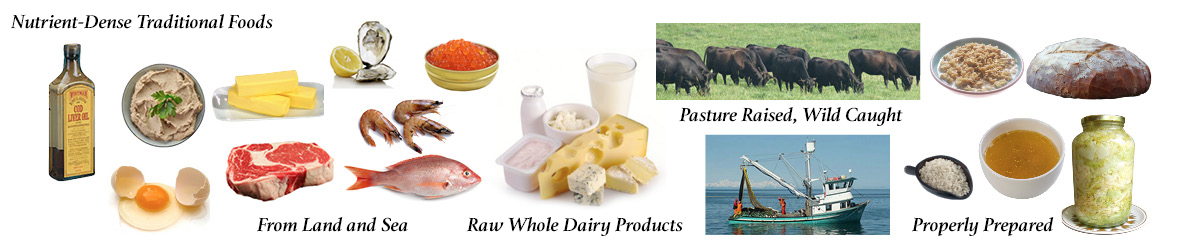
The reader will learn why both the breastfeeding mother and breastfed baby require the animal form of vitamin A. True, preformed vitamin A, called retinol, is the animal form, as distinct from the vitamin A precursors— carotenoids including beta-carotene. The best source of true vitamin A is liver; good sources are egg yolks, butter and full-fat dairy. Previous articles in this journal have explained why women should not rely on carotenoids from plant foods to meet their vitamin A needs.2
IMPORTANCE OF VITAMIN A BEFORE AND DURING LACTATION
A newborn’s stores of vitamin A are dependent on its mother’s intake of vitamin A both during pregnancy and after delivery. Small amounts of vitamin A accumulate in the fetal liver, mainly during the last three months of pregnancy, and are directly related to maternal blood levels of vitamin A. Yet, even a full-term infant’s stores last only for a couple of days—according to one report, “Although the stores are somewhat higher in the full-term newborns of well-nourished mothers than of undernourished mothers, most available data suggest that the difference is small”3—and quickly run out if a mother’s breastmilk is insufficient in vitamin A. In utero, the transfer of vitamin A to the fetus is highly regulated and the amount transferred increases with gestational age. Because of this, premature infants are at higher risk for vitamin A deficiency and associated problems including bronchopulmonary dysplasia. However, a good prenatal intake of vitamin A by the mother will improve even a preemie’s vitamin A status.4
An insufficient intake of vitamin A by women during pregnancy not only poses a risk for fetal development but also during the infant’s early life. Because a pregnant woman’s vitamin A stores are progressively depleted due to fetal requirements, pregnant women with marginal vitamin A reserves are at an increased risk for vitamin A inadequacy as their pregnancy progresses.5 Ideally, vitamin A from the diet accumulates in the mother’s liver and breast tissue in preparation for lactation.6 As a result, vitamin A intake during pregnancy influences the vitamin A content of the breastmilk—if a woman has a low prenatal intake of vitamin A, her milk will also be low.7
Babies with low levels of vitamin A in the early months of life can have slowed growth and development8 and an increased susceptibility to respiratory infections,9,10 including those attributed to measles11 and respiratory syncytial virus (RSV).12 Low levels of natural antibodies and compromised intestinal microbiota and immunity can be a direct consequence f vitamin A deficiency in infants. It is important to note that postnatal vitamin A intake cannot fully compensate for inadequate intake during pregnancy. Women who have short spacing between pregnancies or twin or triplet pregnancies are even more at risk for low vitamin A status at delivery.4
The earliest milk, colostrum, contains twice as much vitamin A as transitional milk and three times as much as mature milk,13 serving as a newborn’s vitamin A “boost” to support optimal growth, lung maturation, resistance to infections and gut health. In the first six months of life, infants receive sixty times the amount of vitamin A than during the entire nine-month gestational period.14 Well-nourished mothers transfer about 71,500 mcg (240,000 IU) of vitamin A to their babies during lactation, compared to about half of this amount in mothers who are vitamin-A deficient.15 A breastfeeding mother’s intake needs to be sufficient in vitamin A since much of the vitamin A in her breastmilk comes from her diet. If her dietary intake is low, her milk can be lower in vitamin A as well. Fortunately for the infant, maternal hormones produced during lactation redirect dietary vitamin A to the milk-producing cells in the breasts (reducing the amount normally sent to the mother’s liver and fat cells), which helps when the mother’s dietary intake is low.16
CAROTENOIDS VERSUS RETINOL SOURCE OF VITAMIN A
A 2021 systematic review of twenty-six research trials on maternal vitamin A supplementation and breastmilk levels of vitamin A found that in the majority of the trials, retinol supplements (most frequently given as a single dose of 200,000 IU after birth) significantly increased retinol levels in breastmilk at several points in time, including in colostrum, when given immediately after delivery.17 In the majority of trials, an equivalent dosing (of retinol equivalents) from beta-carotene supplements had no effect on retinol levels in breastmilk although it did increase beta-carotene levels. Trials that used daily lower-dose supplements of retinol generally showed no effect on retinol concentrations in breastmilk. The populations studied were living in lower-income countries and were at high risk for vitamin A deficiency.
Note that in the above review, all of the trials used higher-dose vitamin A or beta-carotene in the postpartum period. Earlier studies looked at the effect of higher-dose vitamin A given late in pregnancy; a 1965 study in the American Journal of Clinical Nutrition discussed these.18 In one, women received vitamin A at daily doses of 50,000, 100,000 or 200,000 IU in their last trimester; all three doses increased the vitamin A content of the women’s breastmilk during days two through ten of lactation, with non-significant increases between the highest- versus the lowest-dose group. In another, a small group of women received vitamin A at a dose of 30,000 IU daily during the last trimester of pregnancy and daily for ten days after delivery; a control group of pregnant women did not receive vitamin A supplements. The vitamin A content of the colostrum rose in the supplemented group to more than double that of the control group, but results were not presented with statistical analysis. The women in these studies lived in countries where low vitamin A intake from diet was endemic. High-dose vitamin A supplements are no longer administered during late pregnancy due to fears of fetal malformations; however, the risk for malformations is limited to the first trimester.
To my knowledge, only a single paper, published in 1950, has described the effect that liver consumption during lactation has on the vitamin A content of women’s breastmilk. This report stated that “a good helping of liver” could double or quadruple the vitamin A, similar to a daily dose of 50,000 IU of vitamin A in oil.19 A single study published in 1934 on three women given fifteen milliliters of cod liver oil daily showed no increase in the vitamin A content of their breastmilk, which the authors attributed to their already having “an abundant and well-chosen diet.”20
EFFECTS ON BREAST FUNCTION
In dairy animals, supplementing with vitamin A increases milk production and also reduces the incidence of mastitis. This is due to vitamin A’s role in maintaining the epithelial lining of the mammary ducts and alveoli to protect against invading pathogens. It is probable that vitamin A provides similar benefits to lactating women. Healthy epithelial cells support healthy milk production and secretion.
In rodent studies, vitamin A deficiency decreases the activity of iron and zinc transporter in the mammary gland and lowers milk iron levels.21 Iron and zinc are very important minerals which, like vitamin A, compromise a baby’s growth and development when supplies are inadequate. Iron and zinc are also at-risk nutrients for infants.22
The weaning phase also requires adequate vitamin A. A woman’s breast tissues undergo a process of remodeling called involution, where breast tissue no longer needed gets broken down and gradually rebuilt. This process depends on vitamin A as a signaling molecule within the breast tissue. Finally, vitamin A signaling is required for mammary gland formation in the embryo and its development both before and during puberty.16
WOMEN’S NEEDS FOR VITAMIN A AFTER LACTATION
The demands of breastfeeding often deplete women of several essential nutrients, especially if they have extended lactation periods. Vitamin A stores will become depleted if a woman does not have a diet replete with vitamin A. I suspect that this is a cause of secondary infertility for some women I see, although I’ve not seen any research into this possible connection.23 Delaying the next pregnancy, following a Wise Traditions diet and using a good vitamin A supplement like cod liver oil can help a woman restore what she passed on to her baby. These precautions will help support her own health and wellness and also ensure that she has abundant reserves for her next baby.
VITAMIN A INTAKES IN “DEVELOPED” COUNTRIES
Even in countries historically considered not at risk for vitamin A deficiency, there is a markedly increasing percentage of the population with subclinical vitamin A deficiency. One-fifth of the population in developed countries does not get the recommended intake of vitamin A, with liver and blood concentrations lower than normal.16,24
In the U.S. between 1999-2000 and 2013- 2018, national surveys show that the proportion of pregnant women who consumed below the Estimated Average Requirement of vitamin A (550 mcg/1830 IU, an amount that is estimated to meet the needs of only 50 percent of women during pregnancy) increased by 10.9 percentage points to almost 20 percent. In that same time period, the proportion of nonpregnant women with inadequate intake of vitamin A increased 19.9 percentage points to almost 40 percent. In both pregnant and nonpregnant women of reproductive age, vitamin A intakes have decreased over the past two decades, compromising nutritional adequacy with probable negative effects on maternal and fetal health outcomes.25 Smaller studies have confirmed these findings.26
Medical “authorities” state that vitamin A deficiency in the U.S. is “extraordinarily rare” because Americans consume foods fortified in vitamin A,27 a claim that is questionable at best since so few foods other than milk and margarine are now fortified with vitamin A. These same “authorities” warn against cod liver oil being “too high” in vitamin A. In fact, CDC data indicate that 44 percent of the adult population does not meet the dietary reference intake for vitamin A from diet, even including intakes of plant carotenoids.
A study of reproductive-age German women showed that they did not meet vitamin A recommended intakes, with beta-carotene from plant foods supplying only about 10-15 percent of the recommended intake.4 Furthermore, according to the available data, 20 percent of German breastfeeding mothers did not have adequate levels of vitamin A in their milk to meet their infants’ needs. The authors of this study note that a serving of liver every other week would close this nutrient gap, describing liver as “the only relevant dietary source for vitamin A.” Unfortunately, German government advisories for pregnant women to avoid liver have resulted in “an insufficient supply of vitamin A in pregnant and breastfeeding women who are therefore reliant on beta-carotene as a source of vitamin A.” Despite acknowledging that warnings against liver consumption are “based on unsupported scientific findings,” these authors recommend beta-carotene supplements and fortified foods.
In my nutrition practice, focused on helping women with reproductive problems, more than half have physical signs of vitamin A insufficiency. Besides prevalent low intakes of true vitamin A, genetic polymorphisms along with other health and nutrition-related problems are drivers of vitamin A insufficiency. Perhaps frank vitamin A “deficiency” is rare, but vitamin A insufficiency definitely is not!
HISTORICAL PRACTICES AND RECOMMENDATIONS
In the 1940s, optimal daily requirements of vitamin A during pregnancy and lactation were set at 6000 IU and 9000 IU, respectively. To meet these needs, a weekly meal of liver and one to two teaspoons of cod liver oil daily (or other fish liver oil) were recommended for the mother from the onset of pregnancy throughout the lactation period.28 Reproduction and lactation were known to depend upon vitamin A—the health of both mother and child needed a daily intake of vitamin A in adequate amounts.28 Fish liver oils, known to be high in vitamin A, were considered the “only natural concentrated medicinal preparations in use.”19
Traditional societies that Weston A. Price studied strongly valued foods rich in vitamin A for successful reproduction—animal liver and other offal, butter from cows grazing on rapidly growing pasture, deep orange eggs from a variety of birds and a wide range of seafoods. Note that even in relatively modern times, an “old belief” was “a dark yolk meant a good egg” (pastured eggs are higher in vitamin A) and “the vitamin A content in milk could be doubled” by the pasture feeding of cows.19
Consuming natural sources of vitamin A rarely results in toxicity. Intakes of animal liver in traditional dietary patterns have never resulted in excessive intake of vitamin A. Toxicity has resulted from abuse of vitamin A supplements for several months.26
PRACTICAL INFORMATION TO SHARE
It is very important for a woman to have an increased vitamin A intake during the preconception period, during the entire lactation period and also in the last few months of pregnancy to prepare for lactation and ensure that her baby is born with optimized vitamin A stores. The U.S. RDA for vitamin A during lactation is almost double the pregnancy RDA, but neither derive from populations with the best infant outcomes. Unfortunately, most women who follow the U.S. Dietary Guidelines (or even worse, eat predominantly plant-based) and take a prenatal vitamin do not receive the optimal amount of true vitamin A during pregnancy, much less the additional amount required during lactation. The typical low intakes of most women during pregnancy may have minimal effect on the vitamin A content of even the earliest breastmilk, whereas abundant vitamin A provided during late pregnancy and lactation does increase the vitamin A content of the milk.
At least three months before her due date, a woman is wise to include more vitamin A-rich foods in her diet, liver being the most reliable source.7,29 In this way, she will ensure that even in the event of an early labor and delivery, her colostrum and early milk will be rich in vitamin A with all of its benefits. Additional benefits include the association of vitamin A with a longer gestation period (a very good thing!) and lower risks for detachment of the placenta and pre-eclampsia.7 Vitamin A may also help ease delivery—animal studies show that deficiency is associated with difficult parturition.30
It is becoming clear that many women in “developed nations” are at risk of becoming deficient or borderline deficient in vitamin A as their pregnancy progresses to term and into the breastfeeding period. Vitamin A shortfalls in this population of women are a global problem not restricted to developing nations and merit the highest attention of our medical and public health communities. The wisdom of a nourishing traditional diet surpasses modern guidance for all stages of life, and especially during pregnancy and lactation.
REFERENCES
- Homemade baby formula. Weston A. Price Foundation, Dec. 31, 2001. https://www.westonaprice.org/health-topics/formula-homemade-baby-formula/
- Schoenfeld P. Vitamin A: the scarlet nutrient. Wise Traditions. 2016 Summer;17(2):18-28.
- Underwood BA. Maternal vitamin A status and its importance in infancy and early childhood. Am J Clin Nutr. 1994 Feb;59(2 Suppl):517S-522S.
- Strobel M, Tinz J, Biesalski HK. The importance of beta-carotene as a source of vitamin A with special regard to pregnant and breastfeeding women. Eur J Nutr. 2007 Jul;46 Suppl 1:I1-20.
- Duitsman PK, Cook LR, Tanumihardjo SA, et al. Vitamin A inadequacy in socioeconomically disadvantaged pregnant Iowan women as assessed by the modified relative dose response (MRDR) test. Nutr Res. 1995;15(9):1263- 1276.
- Mawson AR. A role for the liver in parturition and preterm birth. J Transl Sci. 2016;2(3):154-159.
- Ortega RM, Andrés P, Martínez RM, et al. Vitamin A status during the third trimester of pregnancy in Spanish women: influence on concentrations of vitamin A in breast milk. Am J Clin Nutr. 1997 Sep;66(3):564-568.
- https://my.clevelandclinic.org/health/diseases/23107-vitamin-a-deficiency
- Underwood BA. The role of vitamin A in child growth, development and survival. Adv Exp Med Biol. 1994;352:201-208.
- Vitamin A supplementation in infants 1-5 months of age. World Health Organization, last updated Aug. 9, 2023. https://www.who.int/tools/elena/interventions/vitamina-infants
- Huiming Y, Chaomin W, Meng M. Vitamin A for treating measles in children. Cochrane Database Syst Rev. 2005 Oct 19;2005(4):CD001479.
- Quinlan KP, Hayani KC. Vitamin A and respiratory syncytial virus infection. Serum levels and supplementation trial. Arch Pediatr Adolesc Med. 1996 Jan;150(1):25-30.
- Zhang H, Ren X, Yang Z, et al. Vitamin A concentration in human milk: a meta-analysis. Nutrients. 2022 Nov 16;14(22):4844.
- Bastos Maia S, Rolland Souza AS, Costa Caminha MF, et al. Vitamin A and pregnancy: a narrative review. Nutrients. 2019 Mar 22;11(3):681.
- Miller M, Humphrey J, Johnson E, et al. Why do children become vitamin A deficient? J Nutr. 2002 Sep;132(9 Suppl):2867S-2880S.
- Cabezuelo MT, Zaragozá R, Barber T, et al. Role of vitamin A in mammary gland development and lactation. Nutrients. 2019 Dec 27;12(1):80.
- Keikha M, Shayan-Moghadam R, Bahreynian M, et al. Nutritional supplements and mother’s milk composition: a systematic review of interventional studies. Int Breastfeed J. 2021 Jan 4;16(1):1.
- Ajans ZA, Sarrif A, Husbands M. Influence of vitamin A on human colostrum and early milk. Am J Clin Nutr. 1965 Sep;17(3):139-142.
- Bicknell F, Prescott F. The Vitamins in Medicine, 3rd Ed. Milwaukee: Lee Foundation for Nutritional Research, 1953, pp. 52-53.
- McCosh SS, Macy IG, Hunscher HA, et al. Human milk studies: XIII. Vitamin potency as influenced by supplementing the maternal diet with vitamin A. J Nutr. 1934 Mar;7(3):331-336.
- Lee S, Kelleher SL. Biological underpinnings of breastfeeding challenges: the role of genetics, diet, and environment on lactation physiology. Am J Physiol Endocrinol Metab. 2016 Aug 1;311(2):E405-E422.
- Yasuda H, Tsutsui T. Infants and elderlies are susceptible to zinc deficiency. Sci Rep. 2016 Feb 25;6:21850.
- Schoenfeld P. How modern fertility treatments ignore basic biology. https://www.westonaprice.org/health-topics/fixing-your-fertility-the-answer-could-be-vitamin-a/
- Hanson C, Schumacher M, Lyden E, et al. Status of vitamin A and related compounds and clinical outcomes in maternal-infant pairs in the midwestern United States. Ann Nutr Metab. 2017;71(3-4):175–182.
- Miketinas D, Luo H, Firth JA, et al. Macronutrient and micronutrient intake among US women aged 20 to 44 years. JAMA Netw Open. 2024 Oct 1;7(10):e2438460.
- Allen LH, Haskell M. Estimating the potential for vitamin A toxicity in women and young children. J Nutr. 2002 Sep;132(9 Suppl):2907S-2919S.
- https://www.aap.org/en/news-room/fact-checked/fact-checked-vitamin-a-does-not-prevent-measles/
- Proudfit FT. Nutrition and Diet Therapy: A Textbook of Dietetics, 8th Ed. New York: The Macmillan Co., 1942. pp. 106, 235.
- van den Berg H, Hulshof KF, Deslypere JP. Evaluation of the effect of the use of vitamin supplements on vitamin A intake among (potentially) pregnant women in relation to the consumption of liver and liver products. Eur J Obstet Gynecol Reprod Biol. 1996 May;66(1):17-21.
- Eskild W, Hansson. Vitamin A functions in the reproductive organs. In Vitamin A in Health and Disease, Blomhoff R (ed.). CRC Press, 1994, p. 547.

Leave a Reply