




 🖨️ Print post
Every two seconds, someone in the United States will require platelets or blood.1 One in seventy to eighty people in the U.S. will require a blood transfusion each year.2 If these statistics surprise you, you are in good company. Few people imagine needing blood. . . until they find themselves (or a loved one) in need of a transfusion.
For the health-aware individual who is thoughtful about what they eat, drink, inject or willingly expose themselves to, receiving blood is likely both a humbling and troubling experience. If the need for blood is not urgent, the option to receive directed donor (also known as “known donor”) blood in lieu of anonymous donor blood provides the patient with greater personal authority and peace of mind over what enters the body, and arguably also allows for an increased measure of quality and safety of the blood that is used.
Unfortunately, in many parts of the U.S. the blood industry is denying or dissuading people from using this aspect of medical freedom. There is a growing and concerted effort, which began in 2023, to quietly shut down this patient choice completely in states that do not have legislation preventing this.3,4
BLOOD AS A COMMODITY
The U.S. blood market is a quiet, multibillion-dollar industry. The revenue of blood companies (in millions to billions of dollars) and the salaries (often in excess of one million dollars per year)5,6 paid at many of the larger “not for profit” blood banks reflect the lucrative nature of the business.
In many areas, however, only about 20 percent of donated blood actually stays in the community for which the donors assumed it was being collected. The fact is that the U.S. supplies roughly 70 percent of the world’s blood products (shocking, but true); American blood accounts for 1.8 percent of the country’s total goods exports and is the U.S.’s ninth largest goods export, ahead of coal and gold.7,8
Blood is also sold to pharmaceutical companies for the production of the multibillion-dollar class of pharmaceuticals called “biologics” and to research companies. The U.S. Food & Drug Administration (FDA) defines biologics as “a wide range of products such as vaccines, blood and blood components, allergenics, somatic cells, gene therapy, tissues, and recombinant therapeutic proteins.”9 (See “The Elephant in the Transfusion Room” below.)
The blood market is highly competitive. Contract details between blood donation centers and the hospitals, transfusion centers, pharmaceutical companies and overseas buyers that purchase their products constitute closely guarded information.10-12 Notwithstanding this fierce competition, the industry understands that its strength lies in its united control of the blood supply,13 its deep pockets and ability to engage lobbyists well known in political circles, and its occupancy of key positions within Department of Health and Human Services (HHS) Advisory Committees without consumer representation (at least at the time of this writing).14
WHY DENY DIRECT DONOR BLOOD?
From outward appearances, it would seem logical that every person who is eligible to donate would be a welcome donor to the process, regardless of whether their donated blood ends up in the anonymous donor pool or is reserved for a particular individual. After all, only an estimated 3 percent of the eligible population donates blood, and there is a perceived shortage nearly all the time. Additionally, for many years, the industry itself strongly encouraged people to “find their own direct donors.”15 So, why would there be an abrupt change in its policy stance beginning in 2023?
Blood industry spokespeople have recently issued a multiple-point argument as explanation for their denial and dissuasion of directed donor blood transfusions. It is worthwhile to look at their written objections (italicized below) as outlined in an editorial published in the Annals of Internal Medicine in July 2025.3 Below each objection, I have provided responses to their debatable claims.
CLAIM: “Directed donor blood presents an increased risk of infectious disease transmission.”
RESPONSE: Both direct donor blood and anonymous donor blood are tested for exactly the same diseases.16 There is no difference in safety. In fact, statistically, plasma centers (which pay people to donate) are often located in poorer socioeconomic areas, which can more likely contribute to lower the quality of blood in a variety of ways.11 The industry also argues that a known donor will be more likely to hide a habit or a condition from their loved one, which would increase the riskiness of the blood donation. This is an argument that defies logic and was stated as such in the 2025 Texas Legislative Session during the House Committee Hearing on Public Health for SB125.17
CLAIM: “Family donations raise immunologic risks.”
RESPONSE: While we agree that donated blood from a blood relative sometimes can raise immunologic risks, it makes no sense to issue a blanket ban on directed donors. Directed donors also include friends, acquaintances, non-biologically related relatives and members of like-minded organizations, all of whom would no more raise an immunologic risk than an anonymous donor.
CLAIM: “Directed donation increases logistical burdens of the blood industry.”
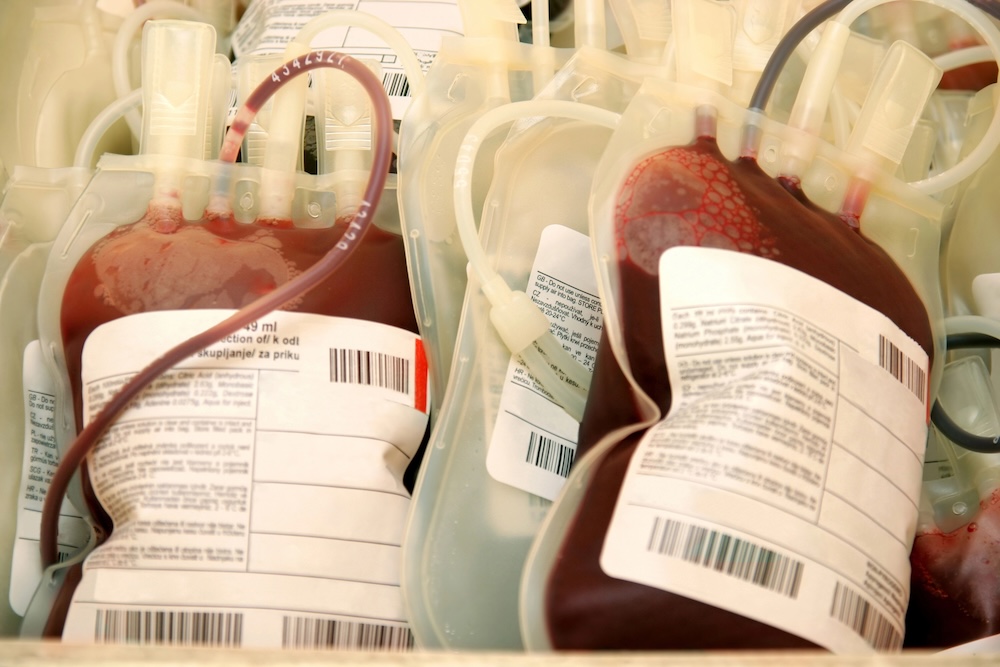
RESPONSE: Every bag of blood has a unique barcode on it and is easily tracked and accounted for at any time with the press of a button. Hospitals and transfusion centers handle complex logistics daily. The fact that direct donations were encouraged for decades by the very entities that are now opting to deny them, citing cost and logistics, does not make sense. Specific bags of blood are transported, often multiple times daily, to specific patients, and with barcode tracking, logistics should be simple. Conversations with retired directors of blood banks have confirmed this.
CLAIM: “Direct donations exacerbate blood shortages.”
RESPONSE: It has been our experience18 within the direct donor community that the opposite is actually true. Direct donors largely tend to be people who otherwise do not donate blood on a regular basis. They are stepping forward to donate because they have a relationship or community bond with the individual in need of a transfusion. Enabling and encouraging direct donations may increase net donor participation. Additionally, it is not necessarily local need that is driving the stated shortages, but the selling of blood products overseas and to the pharmaceutical industry and research organizations.
CLAIM: “Direct donor blood may be wasted if the units go unused. And physicians may feel pressured to direct a transfusion that may not necessarily be needed.”
RESPONSE: While some blood banks do have the wasteful policy of discarding unused direct donor blood, other blood banks opt to add any unused blood into the anonymous donor supply for use in another patient. Additionally, expired or “unusable” blood is frequently sold for research use.
CLAIM: “Directed donation preferences based upon the patient’s personal beliefs introduce biases that are not grounded in medical necessity.”
RESPONSE: The respect and honoring of a patient’s autonomy is foundational in patient-centered medicine and is supposed to be a cornerstone of clinical ethics.19 Clinical ethics have been codified in most physician and medical organizations, but the codes often appear to protect the profession’s (or industry’s) interests more than offering a broad and impartial viewpoint or addressing issues of importance to patients and society.20 In other words, protection of profit and professional interests often supersedes patient care.
ADVANTAGES OF DIRECT DONOR BLOOD
According to the American Red Cross website, blood is screened for only a limited number (twelve) of bloodborne diseases.21 The FDA website adds, “a blood supply with zero risk of transmitting infectious disease may not be possible.”22 Even when additional pathogen reduction modalities are used on separate blood product components, donated blood products remain a potential source of bacterial, toxin, parasitic and as yet unstudied or unidentified entity transmission.23 Thus, directed donor blood has a number of advantages in regards to medical outcomes.
While the FDA and American Red Cross guidelines for blood donation exclude donors with a recent (volunteered) history of drug use or addiction, the screening process of the blood itself does not include looking for illicit or prescription drugs within the blood, nor is there any guarantee as to the veracity of the information given by the donor. This becomes even more problematic when examining “for pay” plasma donations. According to research, commercial plasma centers are far more likely to be located in lower socioeconomic areas and are considered high risk in terms of both contamination and quality of donation.11,24 Because the donor receives payment for their plasma, they are statistically far more likely to lie about their health and lifestyle choices.
Once blood has been donated, it has an approved shelf life of about forty-two days; however, measurable decline of red blood cell (RBC) quality (known as “storage lesion”) is evident by day seven, with oxygen delivery compromised considerably by day twenty-one of storage. At least one study strongly suggests limiting transfusion of red blood cells to blood that has been stored less than fourteen days.25 While researchers have made efforts to improve the lifespan and health of the red blood cell, the vast majority of these improvements are still in experimental stages, and blood banks have not widely adopted them.
The amount of “storage lesion” that has occurred in a bag of transfused blood will likely play a large role in the measured success of the transfusion. In a healing crisis, one of the most important factors in healing is well-oxygenated tissue. Older stored blood experiences metabolic, structural and functional changes, which means that the patient will receive less oxygen-carrying benefit per transfused unit, resulting in tissue hypoxia even after transfusion. Storage lesion also contributes to oxidative stress and inflammation, an increased incidence of hyperkalemia (elevated blood potassium levels) and acidosis. In addition, older transfused blood increases risk of transfusion-related organ injury, infection, blood clots and cardiac stress, especially in “selected categories of patients [who] are potentially more vulnerable.”26 The authors of a 2019 study observe that “vulnerable” categories include “patients with less common blood groups (such as AB) [who] often receive older RCCs [red cell concentrates] as compared to other groups, and patients who are massively or chronically transfused [such as patients with sickle cell anemia, cancer or beta thalassemia] [who] receive a disproportionately large fraction of RBC units that may include older RCC.”26
Because blood is a commodity, hospitals and transfusion centers typically use the oldest matching blood first for a patient, so as not to waste the bag due to expiration of the product. In a direct donor situation, the blood a patient receives is always very fresh, which makes for lower risk of complications related to storage lesion.
DENYING THE RIGHT TO CHOOSE DIRECTED DONOR BLOOD: A VIOLATION OF HUMAN RIGHTS?
When doctors write directed donor orders for their patients, they are practicing medicine within their scope of practice and ethically honoring the patient’s autonomy. This is similar in practice to honoring the Jehovah’s Witness custom of refusing blood transfusions altogether, which has resulted in an alternative, largely successful, hematology treatment protocol (see page 13).27
God gave each person the right to express free will, and that right, as it pertains to medical freedom, is echoed within the governance of the preamble of the Declaration of Independence:
“We hold these truths to be self-evident, that all men are created equal, that they are endowed by their Creator with certain unalienable Rights, that among these are Life, Liberty, and the pursuit of Happiness: That to secure these rights, Governments are instituted among Men, deriving their just powers from the consent of the governed.”
The 14th Amendment of the Constitution (Section 1) further protects these rights:
“[N]or shall any State deprive any person of life, liberty, or property, without due process of law; nor deny to any person within its jurisdiction the equal protection of the laws.”
The Patient Self-Determination Act of 199028 further affirms the common-law right of self-determination as guaranteed by the 14th Amendment of the U.S. Constitution. The person receiving medical care has the right to make choices and decisions about his medical care and the extent of medical care that he would or would not want. Additionally, the United States Commission on International Religious Freedom29 protects a person’s right to freedom of thought, conscience and religion or belief.
THE ELEPHANT IN THE TRANSFUSION ROOM
In some parts of the U.S., it is now virtually impossible to receive direct donor blood. In others, it will likely require perseverance, knowledge of the system and strong advocacy to overcome the dissuasion4 presented by the medical establishment and/or the blood bank serving the hospital or transfusion center.
The arguments in favor of disbanding the directed donor blood option are weak at best, and represent a direct assault on personal choice, medical freedom and the very laws that protect us all. This assault also extends to limiting a doctor’s ability to practice medicine in partnership with his patient.
The weakness of the blood industry’s arguments, and the lengths to which it has gone to dissuade patients and their doctors from direct donation—including for example, tactical use of Child Protective Services (CPS), medical bullying, intimidation, excessive fees for direct donor blood and claims of extended time to process the blood (which should take less than three days at most, including transport time)—force one to ask what the real motives might be behind the industry’s move to attain full control of every single bag of blood it harvests.
Perhaps it is one (or all) of the following four reasons. First, is the blood industry’s first concern stellar patient care or is it profit? Although donors usually give blood in a spirit of community altruism, we have seen that collected blood often doesn’t stay in the community for which it is donated. As mentioned, an estimated 80 percent of the blood collected is graded and profitably sold either overseas or to research facilities and pharmaceutical companies. According to a 2012 article by Sophia Chase in the William & Mary Business Law Review,30 blood is one of the most precious and expensive resources in the world. Based on Chase’s work and adjusted for the 2025 economy, one pint of altruistically donated blood will easily yield over seven hundred dollars in gross profit when “parted out.” Conversely, when a directed donor’s blood is collected, the donation is specific for the recipient according to a doctor’s written orders. This means that this particular bag of blood is not eligible for sale to these outside markets, effectively eliminating the opportunity to make a much larger profit than they might otherwise make through the contract price with the hospital or transfusion center. Direct donation requests have reportedly increased by 11.1 percent as compared with 2019.3 Honoring all direct donations could represent a significant financial affliction for the booming blood industry.
Second, both the blood and pharmaceutical industries actively seek blood products that have certain attributes. Direct donation might be especially frustrating to the profit-driven industry if they found a unique or very profitable attribute in direct-donated blood. It’s not a large stretch of the imagination to assume that one or more of the attributes the industry is currently seeking may command even higher premiums than the seven hundred dollars listed above, especially post-2020.
Third, it is an established fact that not all blood is equal in quality. Take the most basic example of an athletic twenty-five-year-old who eats a healthy diet, is unmedicated and mostly strives to avoid toxins, versus a sedentary, obese fifty-year-old who eats the Standard American Diet and is on four medications. Whose blood would the reader choose in the event of a needed transfusion? Is it possible that the blood industry fears legal implications if the general population becomes aware of differences in blood quality, especially post-2020? The industry experienced and attempted to hide problems with tainted blood in the 1980s,30 and it ultimately spent millions of dollars settling lawsuits.
Finally, beyond financial considerations, perhaps there is something else—something elephantine—to be considered as well. In the late 1990s, the pharmaceutical industry expanded the wide range of products called “biologics,” including vaccines, gene therapy and injectable products isolated and made from a variety of natural sources, including human blood. Each biologic that has a human cell base isn’t made from just one blood donor. Blood products are pooled in vats, making it virtually impossible to track the source of a pathogen, should that become a problem, particularly given that not every person receiving the biologic would necessarily experience the pathogen in the same way. Both the FDA and American Red Cross acknowledge that “they can’t test for what they don’t know.” And in the post-2020 era, there is much that we “don’t know.”
INFUSING HOPE
In 2023, Texas State Senator Bob Hall’s filing of SB1584 marked the beginning of the legislative fight to protect and preserve the right to directed donor blood. Shortly after Hall filed the bill, Carter BloodCare—the largest and most profitable blood collection agency in North Texas (serving over two hundred fifty hospitals and transfusion centers in that region)—announced that it was no longer honoring direct donor orders. The bill did quite well and likely would have passed, had blood bank lobbyists not intervened. The bill ultimately died unheard on the last day of the legislative session.
In 2025, legislators resurrected the Texas bill (now SB125), and again it did quite well, passing easily in the Senate despite strong opposition by the blood industry.31 It later also passed in the House Public Health Committee, and then, for “reasons unexplained,” got held up in the House not once, but twice by a single key individual. Once again, it died unheard on the last day of the legislative session. As mentioned, the blood industry has very deep pockets and a great deal of influence.
In the meantime, legislators in other states are waking up to the concerns surrounding the blood supply, and they have introduced other bills protecting the right to choose in varying degrees. At least twelve states have begun the arduous process of working to preserve the right to choose directed donor blood through legislation, and two states (Tennessee and California) have older laws on the books that provide a small measure of protection, provided the patients actually know their rights and are aware of the laws.
It is our hope that RFK Jr. will recognize the importance of protecting the rights of transfusion patients—rights that currently get trampled on, multiple times a day. This is an urgent problem in need of an urgent solution. Currently, individuals who have recently received a Covid-19 vaccination may donate with “no wait period,”32 a policy that is extremely concerning for the blood supply in light of confirmation by a Centers for Disease Control and Prevention (CDC) workgroup (Figure 1)—presented on September 19, 2025—of mRNA presence and persistence after vaccination of over seven hundred days (Figure 2).33 The CDC workgroup also flagged gaps in knowledge related to Covid vaccine impurities (Figure 3) and recommended ongoing blood- and tissue-based monitoring (Figure 4). That same day, the CDC’s Advisory Committee on Immunization Practices (ACIP) “unanimously recommended that vaccination for COVID-19 be determined by individual decision-making.”34

In 1995, the National Academy of Sciences’ Institute of Medicine (IOM) released an analysis of the events surrounding the contamination of blood products with the disease labeled as HIV. An estimated twenty thousand Americans reported contracting HIV through blood and its derivatives. The blood industry knew there was a problem with the blood supply for at least eighteen months before alarm bells began sounding, and yet it did nothing. The IOM faulted the federal government for failing to take regulatory leadership over an industry that frankly regulates itself. It also faulted blood banks for “sending overly reassuring messages to the public” when danger clearly existed. Years later, James McPherson—who was head of Red Cross regulatory affairs at the time and later (1986–2013) served as CEO of America’s Blood Centers—“ruefully admit[ted] they had made a mistake: ‘When we were touting the risk as one in a million, we hadn’t a clue. It was a stupid thing to say, but we were afraid. We had this desire to reassure the public. We should have been honest and said, ‘we really don’t know what is going on.’ If it started a panic, well, so be it.’”15
According to public opinion polls, the level of trust in the medical establishment has declined by more than 30 percent—to an all-time low of just 40 percent—since 2020.35 It behooves the well-informed consumer to have a plan and a medical advocacy system in place before there is need. This is especially true when it comes to an event where a blood transfusion is called for.
The CDC’s estimate back in 1984 was that approximately 0.04 percent of donated blood was contaminated. With the introduction and rollout of mRNA Covid shots, that is a drop in the proverbial bucket compared to the potential contamination of today’s blood supply. Erring on the side of caution is a personal choice and a freedom we all deserve to express when we feel it is warranted.
SIDEBARS
ABOUT BLESSED BY HIS BLOOD
Blessed By His Blood (BBHB) is a not-for-profit cooperative rich in faith, Christian values and the core belief that all people have the God-given and Constitutional right to determine what is allowed into their own bodies. BBHB was “born” in May 2021 as a result of a word from the Holy Spirit with the command to “preserve the blood,” but the actual process of developing how BBHB would look and operate didn’t begin until November 2021 (interestingly, at the Wise Traditions Conference in Allen, Texas!). Initially, the singular vision was to identify and connect a nationwide network of like-minded individuals who had chosen to abstain from mRNA technology injections, with the intent that we would help one another should a non-emergency transfusion need arise. God has been with BBHB every step of the way, and we give all glory to Him as we match donors with recipients in need across the U.S.
In January 2023, the Holy Spirit gave another command to go “protect the blood,” and the BBHB mission expanded. This led initially to the first of many trips to the Texas Capitol (my home state) and strategizing with Texas Senator Bob Hall. Unbeknownst to us, Texas-based Carter BloodCare was simultaneously making the decision to shut down the right to the directed donor blood transfusion option. Carter BloodCare enacted its decision in April, less than one month after Senator Hall presented SB1584 to the Texas Senate. (The bill passed in the Senate 28-2 but died unheard in the House on the last day of the session.)
Carter BloodCare’s policy decision has had significant implications for medical freedom and the health of those in need of “clean” blood transfusions. One family membership that BBHB serves has two daughters with beta thalassemia, a disorder requiring monthly blood transfusions for survival. The family’s hematologist wrote a letter to Carter BloodCare explaining the necessity of direct donor transfusions for the girls’ health, but to no avail; during summer 2023, they were forced to receive anonymous donor blood. As their mother has relayed (in Senate and House hearings in 202532,36), the girls were listless the entire summer and their hemoglobin would not rise, despite the transfusions. (Normally, the girls are active in sports and excel in school.) Even their teachers noticed the extreme changes when they returned to school in the fall. Thankfully, the family was able to find a way to return to their direct donors, but that required a great deal of effort and meant leaving the area served by Carter BloodCare. Moreover, there is no guarantee that the new blood processing organization won’t follow in Carter’s footsteps at some point in the future.
Unfortunately, this story is not rare, and it is destined to become progressively more common if legislation is not enacted throughout the U.S. to protect the right to choose direct donor blood. Medical bullying and intimidation are very real problems, especially in the case of children in need of transfusions. We have heard firsthand stories of providers either calling CPS or referencing CPS as a not-so-veiled threat after parents asked for direct donor blood for their child. As of this writing, this is exactly what is happening to the mom of an autistic boy at Oklahoma University Children’s Hospital under treatment for leukemia. She had been successfully pursuing natural means of healing for her son; CPS took the child, who has now received at least one transfusion as well as chemotherapy against his mother’s desired and holistic plan of treatment.37
In 2024, BBHB expanded its legislative mission and began working with legislators in other states. To date, we have testified, provided information and worked with legislators in twelve other states as awareness of this concern grows. In Texas, we reintroduced the Texas Blood Bill (SB125) in the 89th Legislative session. Although the bill again passed effortlessly in the Senate and then passed 8-2 in the House Health Committee, the blood industry’s extremely powerful lobbying efforts—financially attractive to some legislators—led to a purposeful slow-walking to the House floor. The delay cost the bill its opportunity for legislators to hear and vote upon it, and it once again died unheard on the last day of the session. This scenario is happening in all of the states working to pass protective direct donor legislation; there is a concerted and coordinated effort by the blood banks and medical industry to retain full control of the blood supply. While we are continuing our state-by-state efforts, it is clear that we need federal help to protect our constitutional rights as they pertain to blood transfusions.
BBHB is 100 percent not-for-profit and all-volunteer—there are no salaried board members or employees. Membership is $25 a year for adults; children under eighteen are free, as are adults with disabilities that necessitate guardianship. If you would like more information, to become a member or volunteer, please visit blessedbyhisblood.com.
THE STATE OF THE UNION (AS IT PERTAINS TO ACCESS TO DIRECT DONOR BLOOD IN EACH STATE)
In a given region, the availability of directed donor blood is explicitly dependent upon the answers to three questions. While few people ever consider the possibility of needing a blood transfusion, these are questions best not left unknown until the last minute. All three answers must be in the affirmative for a direct donor blood transfusion to occur.
- Is your doctor willing to write the order for direct donor blood?
- Do the policies of the hospital or transfusion center honor doctors’ written orders for direct donations?
- Does the blood bank contracted with the hospital or transfusion center facilitate direct donations?
Thankfully, as of this writing, a non-emergent direct donor blood transfusion can be received, with correct and diligent preparation, in all states except Minnesota, and we (at BlessedByHisBlood) have strategies for people living in that state. We have found that most often, the weakest link is the blood bank’s refusal to process a direct donor order (#3). Depending on the size and scope of contracts the blood bank holds, this policy can drastically affect many hospitals and transfusion centers in a given region. For example, when the largest blood bank in North Texas (Carter BloodCare) quietly “turned off” the right to direct donor blood in 2023, that policy move affected over two hundred fifty hospitals and transfusion centers. (This situation made it painfully clear how important it is to develop legislation to protect the right to direct donor blood!) Thankfully, many hospitals have secondary contracts with other blood banks, so BBHB has largely been able to navigate around these roadblocks and help our cooperative members in need.
In other instances, if a doctor refuses to write an order (#1) or a hospital administrator blocks a doctor’s order (#2), the patient or patient’s family will need to have a “plan B” in place and be willing to change doctors or facilities if they want direct donor blood. As we have all learned over the last many years, standing strong for medical freedom and choice requires courage and a willingness to fight. It is our hope that as more people stand up for their freedom to choose and move their “medical business” to providers and facilities that honor their wishes, the loss of revenue for those who deny patients’ rights will be motivation to reconsider their policies and practices.
JEHOVAH’S WITNESS PROTOCOL
In the U.S., one in seven people admitted to a hospital will need blood, with an estimated 90 percent of individuals seventy-two years of age or older receiving a blood transfusion sometime in their lives.38 Yet despite these astounding statistics, few people proactively plan, think or understand the potential ramifications of receiving a blood transfusion. In 2000, the blood industry formally adopted a consent form that must be signed before blood is transfused (provided the patient is conscious and mentally capable or an advocate with medical power of attorney is present).39 Generally, it is at this moment that patients become aware of the issues and often find themselves between the proverbial “rock and a hard place.”
What is often not fully discussed or disclosed at the moment of informed consent are the non-transfusion options available. It is in the consumer’s best interest to be aware of these alternatives in the event that their healthcare provider does not thoroughly discuss them. Often called the “Jehovah’s Witness Protocol,” these are potentially workable alternatives for someone who chooses not to sign the consent waiver for various personal reasons. Jehovah’s Witness is a Christian denomination whose doctrine prohibits them from receiving blood and blood products. While at one time refusing a transfusion was considered bordering on suicidal, the alternative measures employed in lieu of a transfusion are now standard practice in many hospitals. In the hospitals that have chosen to employ bloodless surgeries, even complex procedures such as heart and orthopedic surgeries and organ transplants are performed without the use of blood transfusions.40 Practitioners should be able to explain to patients the pros and cons and viability of each alternative according to the patient’s individual health situation.
Opting for a bloodless surgery or an alternative for anemia remediation may actually improve outcomes in certain situations. Data indicate that recognized alternatives to transfusions, when appropriate, trend toward improved survival rates, shorter hospital stays and fewer cases of renal failure, with no difference in morbidity and mortality, provided “aggressive planning” is also in play. “Aggressive planning” includes:
- Knowing pertinent lab values (complete blood count [CBC], iron/ferritin panel, B12 and folate) well before the surgery date and addressing any underlying concerns prior to the procedure.
- Assessing the amount of expected blood loss.
- Determining whether the use of antifibrinolytics (such as tranexamic acid [TXA]) would be appropriate.
- Determining whether cell saver technology (the process of capturing blood as it is lost, cleaning it and transfusing it back into the same patient) is available and appropriate for the procedure.
- Arranging for the use of pediatric tubes to limit blood loss and also keep blood draws to a minimum, especially if a long hospital stay is anticipated and/or many blood samples are required.
- Implementing strategies to enhance red blood cell and/or platelet production if applicable.
The following modalities are currently utilized strategically when a blood transfusion is not a patient-approved option:
IV IRON: Iron infusion replenishes iron stores and allows for endogenous RBC production rather than just replacing the RBCs themselves, and it can lead to a longer-term correction of anemia (especially when deficiency is due to blood loss, pregnancy or malabsorption). There is no risk of volume overload, hemolytic reactions or transmission of infections. IV iron can still take days to weeks to restore RBC mass, and its success requires functional bone marrow and a body’s ability to produce RBCs.27
ERYTHROPOIESIS-STIMULATING AGENTS (ESAs): ESAs are pharmaceuticals that stimulate bone marrow to produce red blood cells.41 Multiple studies have found that giving an ESA with iron supplementation reduces the need for RBC transfusions, and “priming” the patient with an ESA can help speed post-operative recovery of hemoglobin.27,42 [Note: Some brands of ESAs contain human albumin (a human blood component); if a patient wishes to avoid all blood products, they will need to be explicit in their medical directives. The following brands do not contain human albumin: darbepoetin alfa (Aranesp by Amgen) and epoetin alfa-epbx (Retacrit by Pfizer).]
TRANEXAMIC ACID (TXA): TXA is available in both oral tablet (Lydesta by Nordic Pharma) and injectable form (Cyklokapron by Pfizer). It works by blocking fibrinolysis, thereby slowing bleeding down. It can be significantly effective in reducing risk of death due to bleeding, particularly in cases of severe trauma, postpartum hemorrhage and in surgeries involving lower limb or spinal orthopedic surgery.27,43,44 It has few associated risks (no apparent increased risk for thrombosis) and “should be strongly considered for any patient undergoing surgery with expected blood loss of more than 500ml.”27
RECOMBINANT FACTOR VIIa: rFVIIa is a synthetic recombinant version of the naturally occurring clotting Factor VIIa. It was originally developed for people with hemophilia or Factor VII deficiency but has demonstrated a measureof success as a way to achieve hemostasis without transfusion. Because rFVIIa does promote clotting, there is an inherent risk of thrombosis, and some meta-analyses and trials do show an increased risk of arterial events in non-hemophiliac patients. Nonetheless, doctors consider it an option in bloodless surgeries.45,46
THROMBOPOIETIN AGONISTS: These stimulate the body’s own production of platelets. These drugs may be integrated into the patient care plan pre-emptively if there is enough lead time to maximize platelet count before surgeries, chemotherapy, and so forth, or as maintenance or bridging therapy during periods of high risk of low platelet count.27
INTERVENTIONAL RADIOLOGY (IR): IR may be used to embolize a bleeding vessel selectively in patients with massive bleeds. Uterine artery embolization is a strategy in patients with postpartum hemorrhage to avoid urgent hysterectomy. IR has a high success rate and is minimally invasive compared to surgery, increasing the odds of preserving both fertility and the uterus.47,48 Additionally, in trauma patients, targeted embolization to a bleeding vessel can allow time for the patient to stabilize.
Finally, while not part of the “Jehovah’s Witness Protocol,” there are whole foods, herbs, botanicals and therapeutic-grade essential oils that have shown benefit in support of replenishing and restoring hematologic homeostasis, which patients may employ as a part of good practice and personal responsibility for self-care (assuming partnership with their practitioner team). Additionally, a vast number of chemicals and agents commonly found in households and workplaces can cause bone marrow suppression, contribute to or cause anemia or damage to existing RBCs, and/or cause immunosuppression; it would behoove the aware patient to adopt toxin-free practices in his home as part of the care, recovery or maintenance plan.
REFERENCES
- Blood product market growth driven by cancer treatment needs and rising RBC demand – forecast to 2035. Towards Healthcare, updated Nov. 25, 2025. https://www.towardshealthcare.com/insights/blood-product-market-sizing
- U.S. Blood Donation Statistics and Public Messaging Guide, Version 1.0. America’s Blood Centers and ADRP, May 2022. https://americasblood.org/wp-content/uploads/2022/05/Whitepaper-National-Stats_5.22.pdf
- Jacobs JW, Booth GS, Lewis-Newby M, et al. Medical, societal, and ethical considerations for directed blood donation in 2025. Ann Intern Med. 2025 Jul;178(7):1021-1026.
- Oh D. “Autologous and Directed Donations WHY? Presented by David Oh, MD.” YouTube, uploaded by Hoxworth Blood Center, Apr. 18, 2024. https://www.youtube.com/watch?v=tBNU7YdPNV4
- Carter Bloodcare Foundation Tax Filings. ProPublica, n.d. https://projects.propublica.org/nonprofits/organizations/752388952
- American National Red Cross Tax Filings. ProPublica, n.d. https://projects.propublica.org/nonprofits/organizations/530196605
- Sumner S. America’s 9th largest export. EconLog, Sep. 9, 2024. https://www.econlib.org/americas-9th-largest-export/
- USA | Imports and Exports | World | Human blood; animal blood prepared for therapeutic, prophylactic or diagnostic uses; antisera, other blood fractions and immunological products; vaccines, toxins, cultures of micro-organisms (excluding yeasts) and similar products | Value (US$) and Value Growth, YoY (%) | 2012-2023. TrendEconomy, Jan. 28, 2024. https://trendeconomy.com/data/h2/UnitedStatesOfAmerica/3002
- What are “biologics” questions and answers. U.S. Food & Drug Administration, content current as of Feb. 6, 2018. https://www.fda.gov/about-fda/center-biologics-evaluation-and-research-cber/what-are-biologics-questions-and-answers
- Palmer J. What many donors don’t know: their blood is sold. Oklahoman, Jul. 5, 2014.
- McLaughlin K. Blood Money: The Story of Life, Death, and Profit Inside America’s Blood Industry. Atria/One Signal Publishers, 2023.
- WFAA Staff. Blood business pits charities against one another. WFAA, Feb. 18, 2015. https://www.wfaa.com/article/news/local/investigates/blood-business-pits-charities-against-one-another/287-149018311
- https://www.aabb.org/
- Roster of the Blood Products Advisory Committee. U.S. Food & Drug Administration, content current as of Nov. 3, 2025. https://www.fda.gov/advisory-committees/blood-products-advisory-committee/roster-blood-products-advisory-committee
- Starr D. Blood: An Epic History of Medicine and Commerce. Knopf, 1998, pp. 276, 337-339.
- Donor safety, screening and testing. Association for the Advancement of Blood & Biotherapies, n.d. https://www.aabb.org/regulatory-and-advocacy/regulatory-affairs/regulatory-for-blood/donor-safety-screening-and-testing
- “How well do you know your family?” (Texas State Capitol, May 2025, SB 125). Rumble, uploaded by BlessedBHB, 2025. https://rumble.com/v6w7rxe-how-well-do-you-know-your-family.html?e9s=src_v1_cbl%2Csrc_v1_upp_a
- www.blessedbyhisblood.com
- Varkey B. Principles of clinical ethics and their application to practice. Med Princ Pract. 2021;30(1):17-28.
- Berkman ND, Wynia MK, Churchill LR. Gaps, conflicts, and consensus in the ethics statements of professional associations, medical groups, and health plans. J Med Ethics. 2004 Aug;30(4):395-401.
- Infectious disease, HLA and ABO donor qualification testing. American Red Cross Blood Services, n.d. https://www.redcrossblood.org/biomedical-services/blood-diagnostic-testing/blood-testing.html
- Questions about blood. U.S. Food & Drug Administration, content current as of May 11, 2023. https://www.fda.gov/vaccines-blood-biologics/blood-blood-products/questions-about-blood
- Blood transfusion risks. Health Services Administration, n.d. https://www.hsa.gov.sg/blood-donation/blood-transfusion/risks
- George R. Nine Pints: A Journey through the Mysterious, Miraculous World of Blood. Metropolitan Books, 2018, pp. 168-169.
- Tuo WW, Wang D, Liang WJ, Huang YX. How cell number and cellular properties of blood-banked red blood cells of different cell ages decline during storage. PLoS One. 2014 Aug 28;9(8):e105692.
- Yoshida T, Prudent M, D’Alessandro A. Red blood cell storage lesion: causes and potential clinical consequences. Blood Transfus. 2019 Jan;17(1):27-52.
- DeLoughery TG. Transfusion replacement strategies in Jehovah’s witnesses and others who decline blood products. Clin Adv Hematol Oncol. 2020 Dec;18(12):826-836. https://www.hematologyandoncology.net/files/2020/12/ho1220DeLoughery.pdf
- Patient Self-Determination Act (PSDA). EBSCO, n.d. https://www.ebsco.com/research-starters/law/patient-self-determination-act-psda
- United States Commission on International Religious Freedom (USCIRF). https://www.uscirf.gov/
- Chase S. The bloody truth: examining America’s blood industry and its tort liability through the Arkansas prison plasma scandal. William & Mary Business Law Review. 2012 Apr;3(2):597-644.
- “Texas State Capitol, March 2025.” (Senate Health and Human Services Committee Hearing on SB125, March 2025). Rumble, uploaded by BlessedBHB, 2025. https://rumble.com/v6smf15-texas-state-capitol-march-2025.html
- You can give blood after getting vaccination for flu, COVID-19 or RSV. American Red Cross, Oct. 12, 2023. https://www.redcross.org/about-us/news-and-events/news/2023/you-can-give-blood-after-getting-vaccination-for-flu-covid-19-or-rsv.html
- El-Deiry W, Kuperwasser C. Workgroup Safety Uncertainties of mRNA COVID Vaccines. Brown University Legorreta Cancer Center and Tufts University School of Medicine, Sep. 19, 2025. https://www.cdc.gov/acip/downloads/slides-2025-09-18-19/06-el-deiry-kuperwasser-covid-508.pdf
- HHS Press Office. ACIP recommends COVID-19 immunization based on individual decision-making. U.S. Department of Health and Human Services, Sep. 19, 2025. https://www.hhs.gov/press-room/acip-recommends-covid19-vaccination-individual-decision-making.html
- Perlis RH, Ognyanova K, Uslu A, et al. Trust in physicians and hospitals during the COVID-19 pandemic in a 50-state survey of US adults. JAMA Netw Open. 2024 Jul 1;7(7):e2424984.
- “Texas State House Hearing May 2025.” (Texas State Capitol, May 2025, SB125). Rumble, uploaded by BlessedBHB, 2025. https://rumble.com/v6ub183-texas-state-house-hearing-may-2025.html
- Corkill S. Teen with leukemia taken from Canadian County mother amid medical negligence claims. News9, Oct. 6, 2025.
- Fun facts about blood. LifeServe Blood Center, n.d. https://www.lifeservebloodcenter.org/education/fun-facts-about-blood/
- AABB Guide to Informed Consent in Transfusion Medicine. Association for the Advancement of Blood & Biotherapies, 2024. https://www.aabb.org/aabb-store/product/aabb-guide-to-informed-consent-in-transfusion-medicine—-print-18202826
- Why don’t Jehovah’s Witnesses accept blood transfusions? JW.org, n.d. https://www.jw.org/en/jehovahs-witnesses/faq/jehovahs-witnesses-why-no-blood-transfusions/
- Information on erythropoiesis-stimulating agents (ESA) Epoetin alfa (marketed as Procrit, Epogen), Darbepoetin alfa (marketed as Aranesp). U.S. Food & Drug Administration, content current as of Mar. 31, 2017. https://www.fda.gov/drugs/postmarket-drug-safety-information-patients-and-providers/information-erythropoiesis-stimulating-agents-esa-epoetin-alfa-marketed-procrit-epogen-darbepoetin
- Kaufner L, von Heymann C, Henkelmann A, et al. The use of erythropoietin plus iron to correct anaemia before surgery to reduce the risk of blood transfusion. Cochrane Database Syst Rev. 2020 Aug 13;8(8):CD012451.
- CRASH-2 trial collaborators, et al. Effects of tranexamic acid on death, vascular occlusive events, and blood transfusion in trauma patients with significant haemorrhage (CRASH-2): a randomised, placebo-controlled trial. Lancet. 2010 Jul 3;376(9734):23-32.
- WOMAN-2 Trial Collaborators. The effect of tranexamic acid on postpartum bleeding in women with moderate and severe anaemia (WOMAN-2): an international, randomised, double-blind, placebo-controlled trial. Lancet. 2024 Oct 26;404(10463):1645-1656.
- Kandane-Rathnayake RK, Isbister JP, Zatta AJ, et al. Use of recombinant activated factor VII in Jehovah’s Witness patients with critical bleeding. ANZ J Surg. 2013;83(3):155-160.
- Simpson E, Lin Y, Stanworth S, et al. Recombinant factor VIIa for the prevention and treatment of bleeding in patients without haemophilia. Cochrane Database Syst Rev. 2012 Mar 14;2012(3):CD005011.
- Lindquist JD, Vogelzang RL. Pelvic artery embolization for treatment of postpartum hemorrhage. Semin Intervent Radiol. 2018 Mar;35(1):41-47.
- Baldwin HJ, Randall DA, Maher R, et al. Interventional radiology in obstetric patients: a population-based record linkage study of use and outcomes. Acta Obstet Gynecol Scand. 2023 Mar;102(3):370-377.
Leave a Reply