



 🖨️ Print post
The Hidden Terrain Collapse Behind Prostate Disease
Prostate problems—ranging from benign prostatic hyperplasia (BPH) and chronic prostatitis to prostate cancer—afflict millions of men. Conventional explanations often stop at hormones, age or genetics, yet these don’t fully explain why prostate disorders are so common in the modern world.
A growing body of research points to the digestive terrain—the integrity of the gut lining, the composition of the microbiome and the quality of what we eat—as a central driver of systemic inflammation and immune dysregulation that can keep the prostate in a state of chronic irritation. When digestion falters and the microbiome shifts, gut-derived toxins rise, “leaky gut” increases and the prostate—sitting where urine (a toxin-clearance stream) and the rectum (a byproduct-clearance channel) converge—becomes uniquely vulnerable to inflammatory signaling.
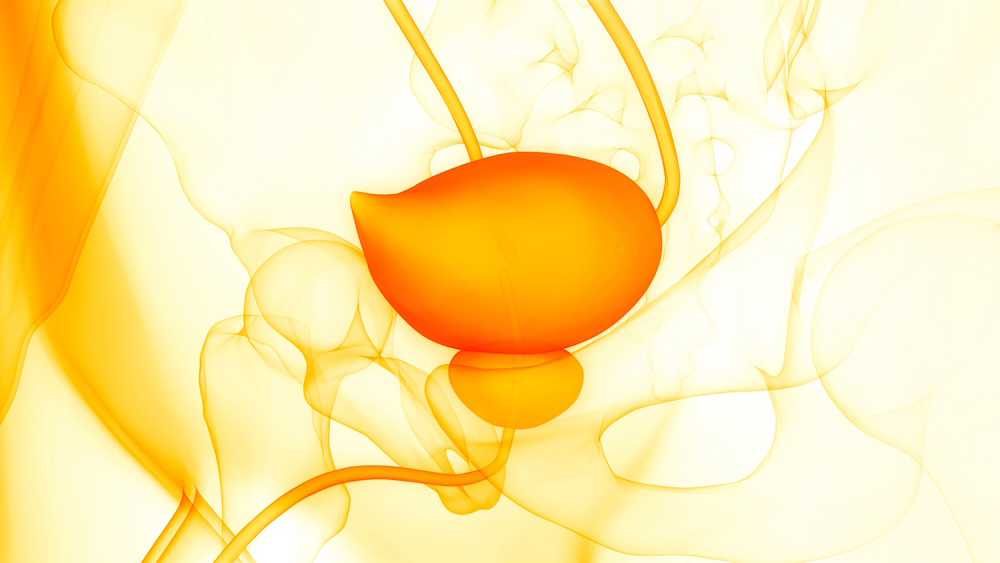
Anatomically, the prostate wraps the urethra and sits immediately anterior to the rectum, separated only by a thin layer of connective tissue. This physical proximity means that if the intestinal barrier is compromised, inflammatory mediators and bacterial byproducts from the gut can enter circulation and indirectly affect neighboring tissues; similarly, if urinary toxin burden runs high, the urethral mucosa and nearby prostatic ducts can be chronically irritated. In other words, the prostate lies at the potential crossroads of two waste streams, and when the digestive terrain deteriorates, the amount and potency of inflammatory signals reaching the pelvis increase.
FOUR GUT-DERIVED CULPRITS
Among many microbial metabolites, four repeatedly show up as terrain stressors with downstream relevance to the prostate:
- Indoxyl sulfate (IS) (from bacterial metabolism of tryptophan) promotes oxidative stress and fibrosis.
- p-Cresyl sulfate (PCS) (from tyrosine/ phenylalanine) damages microcirculation and drives inflammation.
- Ammonia (from excessive protein fermentation and poor digestion) burdens liver detoxification and irritates the gut.
- Lipopolysaccharides (LPS) (endotoxin from Gram-negative bacteria) enter circulation when the gut barrier loosens, triggering low-grade, chronic immune activation.
Clinically, urinary IS serves as a practical read-out of this disrupted loop—produced in the gut, absorbed, sulfated, then excreted—so chronically elevated urinary IS often flags a terrain marked by poor protein digestion, dysbiosis and barrier dysfunction. In such a context, urinary toxins can irritate the urethral lining and the periductal area. Prostate epithelial and surrounding tissues are exposed to inflammatory signaling when urinary toxins irritate the urethral mucosa and nearby prostate ducts—a plausible route by which gut-derived metabolites amplify local inflammation.
TERRAIN DESTROYERS AND TERRAIN BUILDERS
Modern living accelerates terrain collapse. Layer the following together, and the result is a steady stream of inflammatory signals that can keep the prostate on “high alert.”
- Repeated antibiotics—and residues in industrial meats and water—disrupt beneficial flora, favor toxin-producing strains and weaken the gut barrier.
- Industrial farming and processing add pesticide residues (such as glyphosate), preservatives, emulsifiers and highly refined components that perturb the microbiome and raise gut permeability.
- Chlorine, chloramine and fluoride in household water alter microbial balance.
- Contaminated water and sewage-sludge-grown foods can introduce pharmaceuticals, heavy metals and endocrine disruptors.
- Microplastics and nanoplastics now infiltrate our air, food and water and may aggravate barrier function.
- Chronic stress, sedentary living and ultra-processed diets high in industrial seed oils (excess linoleic acid) promote oxidative stress, dysbiosis and systemic inflammation.
- Body care and household chemicals (synthetic fragrances, parabens, phthalates) add a daily endocrine-disrupting load.
Processed diets set the stage for elevated IS, PCS, ammonia and LPS. Low-fiber, high-refined-carb patterns promote overgrowth of endotoxin-producing organisms; inadequate stomach acid and bile flow lead to incomplete protein and fat digestion, increasing putrefaction and ammonia. Factory meats and oxidized fats add residues and lipid peroxides that stress the mucosa and the liver. Over time, these influences amplify the daily “leak” of inflammatory mediators that keep the prostate irritated.
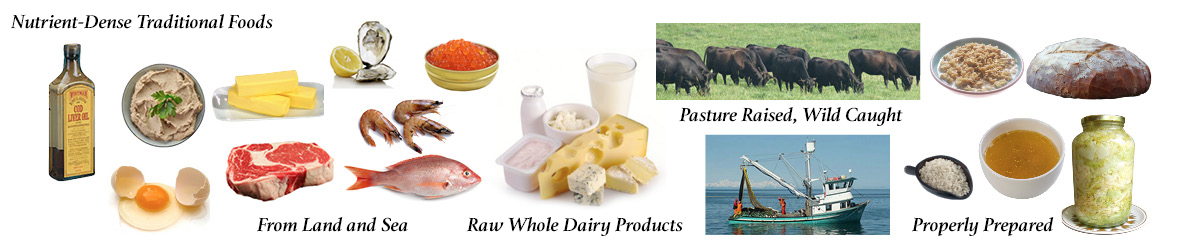
In contrast, the traditional diets documented by Dr. Weston A. Price nourished digestive integrity and microbial diversity. These patterns emphasized bone broths and gelatinous cuts of meat, organ meats, raw milk and unpasteurized cheeses from grass-fed cows, butter from pastured animals, naturally raised meats and poultry and properly prepared plant foods, such as soaked, soured or sprouted grains and legumes, cooked leafy greens and fermented vegetables. Such diets deliver fat-soluble vitamins (A, D, K2), minerals, enzymes and collagenous proteins that help maintain stomach acid and bile flow, support gut-lining repair and “feed” diverse commensals.
Men can turn the tide by rebuilding their terrain. Here are some practical dietary recommendations:
- Make resistant starch a daily habit to feed beneficial butyrate-producing microbes and support terrain repair. Examples of resistant starch include cooked green bananas or cooled and reheated potatoes and rice.
- Support gastric function with one tablespoon raw apple-cider vinegar in water once daily with a meal or with mineral-rich broths and bitter greens at meals.
- Emphasize fermented foods—sauerkraut, kimchi, raw-milk kefir or yogurt, miso— every day.
- Choose grass-fed meats and pastured poultry.
- Trade seed oils for pastured butter and other traditional animal fats.
Other suggestions include filtering household water (especially if chlorinated/chloraminated), reducing chemical exposures from body care and cleaning products, practicing daily exercise, managing stress and getting sensible sun exposure.
ORAL-PROSTATE AXIS: PERIODONTAL AND ENDODONTIC INFECTION
Chronic oral inflammation is an underestimated contributor to whole-body inflammatory burden. Periodontitis (inflamed, infected gums) releases inflammatory mediators (e.g., IL-6) into circulation and is associated with elevated C-reactive protein (CRP).1 Multiple analyses indicate that periodontal therapy can lower systemic CRP in some groups, supporting the idea that oral care can meaningfully influence systemic terrain.2
Several research teams have examined links between periodontitis and prostate outcomes. Observational work has associated worse gum disease with higher PSA3 and, in some cohorts, a higher probability of prostate cancer, though other studies are mixed or null,4 so causation is not established. The prudent takeaway is that active periodontal disease likely adds inflammatory load to a terrain already stressed by poor diet and toxins; addressing it is, therefore, low-risk and potentially beneficial.
Endodontic (dental pulp) infection also matters. Apical periodontitis (inflamed/infected tissue at a tooth root—common in failed or leaking root-canal teeth) has been associated with higher circulating inflammatory markers (e.g., CRP, IL-6),5 consistent with a chronic, smoldering immune stimulus. Mainstream endodontic bodies continue to claim that root canals do not cause systemic disease, but over a century ago Dr. Price highlighted root canal risks, instead recommending extraction. Dental pioneer Hal Huggins agreed with Dr. Price, explaining in an article in this journal (Summer 2010), “There are bacteria in root canals that favor destruction of the nervous system and many other systems.”6 Huggins found bacterial contamination in 100 percent of extracted root canals tested.
What about dental amalgam, made up of approximately 50 percent of elemental mercury by weight? Shockingly, the Food and Drug Administration (FDA) continues to downplay amalgam risks,7 only advising caution for “high-risk groups” (such as pregnant and nursing women and young children), even though the international Minamata Convention on Mercury emphasized the need to phase out dental amalgam a dozen years ago.8 (For more information on the dangers of mercury and dental amalgam, see “Mercury: The Quintessential Antinutrient”9 and “Dental Metals and Their Relationship to Neurodegenerative Diseases.”10) If removing and replacing amalgam fillings, it is important to work with a skilled biological dentist using strict safety protocols.
The practical takeaway is that healthy gums and teeth are part of a prostate-protective terrain, making it important to keep up professional cleanings and meticulous home care, making potential dental decisions on a case-by-case basis with qualified clinicians. One should also investigate painful teeth or previously root-canal-treated teeth if symptoms or imaging suggest persistent infection.
CONCLUSION
When digestion falters, microbial toxins and inflammatory compounds can “leak” into circulation and repeatedly nudge the prostate toward inflammation. By restoring gut integrity, feeding diverse beneficial microbes, improving oral health and embracing nutrient-dense, traditionally prepared foods, men can lower the toxic signal reaching the pelvis. In simple terms: better digestion means less inflammatory signaling to the prostate. That’s why diet and terrain restoration are not optional add-ons but the foundation of lifelong prostate health and vitality.
SIDEBARS
THE ROLE OF ANTINUTRIENTS
To fully understand what triggers microbiome permeability and digestive fragility, readers may benefit from exploring the role of antinutrients in everyday foods. While most people are already aware of chemical pollutants, pesticide residues and industrial additives in the food supply—and how to reduce their exposure—far fewer recognize how certain unprepared plant foods can quietly erode gut function over time. Compounds such as oxalates, lectins, phytates and saponins may cause significant irritation or mineral depletion in individuals with a weakened microbiome, especially those with a history of antibiotic use, chronic stress, environmental toxin exposure or digestive disorders.
Traditional cultures understood this well: soaking, sprouting, fermenting and cooking served precisely to neutralize these compounds. For readers experiencing ongoing digestive sensitivity, fatigue, joint pain or inflammatory symptoms, taking a closer look at how antinutrients affect gut integrity can offer clarity and relief.
TARGETED PROBIOTICS
When the gut lining is damaged or dysbiosis is stubborn, short-term, targeted probiotic supplementation can help normalize stools and reduce bloating during the process of rebuilding diet and digestion. Examples of evidence-based strains include Bifidobacterium longum 35624 for improvement of bowel habits and irritable bowel syndrome (IBS) symptoms11,12 and Lacticaseibacillus rhamnosus GG (formerly Lactobacillus rhamnosus) for several diarrhea outcomes, with benefits varying by condition and dose. During or after antibiotics, the yeast Saccharomyces boulardii reduces antibiotic-associated diarrhea in adults. Track progress with the Bristol Stool Form Scale (BSFS), aiming for Types 3–4.13
In addition to these strain-specific options, I have found two products that stood out for stool normalization and digestive comfort during terrain rebuilding: Just Thrive® Probiotic (a spore-based blend such as Bacillus subtilis HU58 and B. indicus HU36 designed to survive stomach acid) and SimplyO3 Intesti-Caps® (a capsule formulated to support small-intestinal mucosa). These optional adjuncts are not replacements for food-first foundations.
REFERENCES
- Machado V, Botelho J, Escalda C, et al. Serum C-reactive protein and periodontitis: a systematic review and meta-analysis. Front Immunol. 2021 Jul 28;12:706432.
- Matsuda S, Shintani T, Miyagawa T, et al. Effect of periodontal treatment on reducing chronic inflammation in systemically healthy patients with periodontal disease. Am J Med. 2024 Mar;137(3):273-279.e2.
- Saleh MHA, Kalani K, Sabri H, et al. Association between periodontitis severity and prostate-specific antigen levels using the NHANES data. J Periodontol. 2025 Oct;96(10):1113-1125.
- Kruck S, Hennenlotter J, Amend B, et al. Chronic periodontitis does not impact serum levels of prostate-specific antigen. Anticancer Res. 2017 Jun;37(6):3163- 3167.
- Matos-Sousa JM, Chemelo VS, Frazão DR, et al. Is there any association between the presence of biomarkers and apical periodontitis? A systematic review. Front Immunol. 2024 May 22;15:1366954.
- Huggins HA. Root canal dangers: DNA studies confirm Dr. Weston Price’s century-old findings. Wise Traditions. 2010 Summer;11(2):44-51.
- FDA issues recommendations for certain high-risk groups regarding mercury-containing dental amalgam. FDA, Sep. 24, 2020. https://www.fda.gov/news-events/press-announcements/fda-issues-recommendations-certain-high-risk-groups-regarding-mercury-containing-dental-amalgam
- Fisher J, Varenne B, Narvaez D, et al. The Minamata Convention and the phase down of dental amalgam. Bull World Health Organ. 2018 Jun 1;96(6):436-438.
- Russell S, Homme KG. Mercury: the quintessential antinutrient. Wise Traditions. 2018 Spring;19(1):14-28.
- Cortese D. Dental metals and their relationship to neurodegenerative diseases. Wise Traditions. 2024 Fall;25(3):16-24.
- Lenoir M, Wienke J, Fardao-Beyler F, Roese N. An 8-week course of Bifidobacterium longum 35624® is associated with a reduction in the symptoms of irritable bowel syndrome. Probiotics Antimicrob Proteins. 2025 Feb;17(1):315-327.
- Andreev DN, Bordin DS, Maev IV, Cheremushkin SV. Effectiveness of Bifidobacterium longum 35624 in the treatment of patients with irritable bowel syndrome: a systematic review. Microb Health Dis. 2024;6:e998.
- https://www.nice.org.uk/guidance/cg99/resources/cg99-constipation-in-children-and-young-people-bristol-stool-chart-2

Leave a Reply