



 🖨️ Print post
THE HIDDEN SIDE OF “HEALTHY” FOODS: ANTINUTRIENTS, GUT HEALTH AND MY JOURNEY TO REAL NOURISHMENT
What if the foods you think are helping you are actually hurting you? That was the unsettling question I had to face after decades of following what I believed was an ideal diet—a mostly vegan, macrobiotic diet based on all the “right” foods. For years, I avoided meat and dairy, embraced soy milk and tofu, ate tons of whole grains and beans and used seed oils and margarines instead of butter. I was convinced that I was on the cleanest path to health. Of course, I did not know much about proper food preparation as taught by the Weston A. Price Foundation (WAPF).
Then came the night when I couldn’t urinate—not a drop—when I woke up to pee. I was in acute urinary retention. Suddenly, the diet I thought had been my salvation was in question. But it took me almost ten years to figure that out!
GUT HEALTH, MENTAL HEALTH—AND HIDDEN HAZARDS
Most people now know that gut health is vital—not just for digestion but for mental and emotional balance. What we eat doesn’t just shape our bodies; it influences how we think, feel and function.

I’ve been inspired by the Foundation’s work on traditional diets and ancestral wisdom. It has helped many people, including me, to move beyond industrial foods and dangerous diets and toward properly prepared, nutrient-dense real food. But even when we eat properly prepared whole foods, problems can persist. Why? The answer may lie in antinutrients.
Antinutrients are naturally occurring compounds in many plant- based foods (see Table 1). Their role in nature is to protect the plant from predators, but in our bodies, they can interfere with nutrient absorption, damage the gut lining and contribute to inflammation or food sensitivities.
In moderation, and when properly prepared, many antinutrient-containing foods are nutritious. However, overconsumption—especially in modern diets that rely heavily on grains, legumes and raw vegetables (see Table 2)—can lead to issues. Potential problems include mineral deficiencies (especially deficiencies in zinc, iron, calcium and magnesium); digestive issues such as bloating, gas or gut irritation; thyroid dysfunction (particularly with high intake of raw cruciferous vegetables); and kidney stones due to excess oxalate intake.
TRADITIONAL CULTURES KNEW BETTER
Many pundits extol the benefits of plant foods using scientific analysis of their nutrients but fail to take account of the detrimental effects of the antinutrients in them. The good news? The very practices promoted by WAPF—like fermenting, sourdough, soaking oatmeal or slow-cooking beans—are exactly what can mitigate some of these concerns. The solution is not to avoid plant foods but to prepare them correctly. Traditional techniques like soaking, fermenting, cooking, sprouting or pickling deactivate many of these compounds.
The dietary practices of traditional societies around the world reflect a deep, intuitive knowledge of how to make plant-based foods safe and nourishing (see Table 3). Soaking and fermenting grains and legumes reduces phytates, lectins and tannins. Sprouting seeds and nuts enhances enzyme activity and nutrient bioavailability. Cooking (as opposed to consuming raw) deactivates lectins and saponins. Pairing high-oxalate foods with calcium-rich ones reduces oxalate absorption. And using healthy traditional fats like butter, ghee and olive oil slows carbohydrate absorption, supporting stable blood sugar and enhancing nutrient assimilation. In traditional cultures, these time-tested methods weren’t just about flavor—they were vital to ensuring nutrient density and digestibility.
WHEN SUPERFOODS BECOME SUPER PROBLEMS
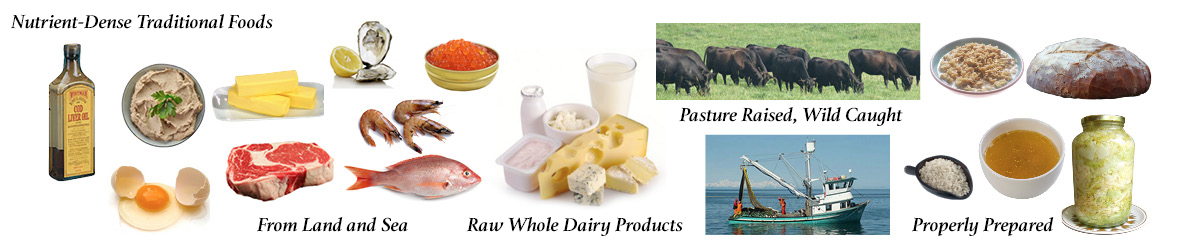
Members of the Weston A. Price community already emphasize nutrient-dense animal foods and animal fats, whole foods, raw dairy and properly prepared grains, nuts and beans. This dietary wisdom is an advantage. However, as modern exposure to environmental toxins and gut-disrupting medications (like antibiotics) increases, even the healthiest eaters may find that sensitivity to antinutrients rises. For those struggling with autoimmune conditions, thyroid issues or mineral deficiencies despite a “perfect” diet, antinutrients may be a hidden piece of the puzzle.
In my case, my health improved significantly after I transitioned to a Weston Price-inspired diet. Every few months, however, I would still get a urinary blockage, seemingly out of nowhere. It turned out that proper food preparation was not enough.
Bioenergetic testing is a method that assesses the compatibility of a food or supplement with your body’s energy field. (Think of it as an advanced form of muscle testing, but more nuanced and accurate.) Having learned to test myself, after one blockage, I tested every food I’d eaten that day. Only one food came back as incompatible: homegrown, organic kale—the darling of health food blogs. I couldn’t believe it! That was a profound moment for me. I realized that it doesn’t matter how “healthy” a food is perceived to be or even how well prepared or cooked it is—if it’s wrong for your body, it can do harm. I removed kale from my diet so as not to experience another nightmare.
Many functional practitioners recommend elimination diets, which can help but are slow and imprecise. You cut out a suspect food for weeks, reintroduce it and monitor symptoms. If the symptoms return, then you have found a culprit. This method can work, but it is neither fast nor easy.
Bioenergetic testing changed everything for me. It’s fast, precise and best of all, empowering. I found that I could test whole foods of all types, supplements and even dosages (such as how much is too much and even how many eggs to have for breakfast). It helped me to stop second-guessing myself and fine-tune my diet with confidence. I then began to see that other people might be stuck in similar situations—following all the best advice but still feeling unwell or triggered at times. Years ago, I wrote a short guide on bioenergetic testing in simple language and downloadable for free.
THE BIG PICTURE: REAL FOOD, PERSONALIZED
The Weston A. Price Foundation offers a strong foundation: real food, prepared with traditional wisdom. That alone transforms lives and mitigates many of the effects of anti-nutrients. However, if you are still dealing with stubborn symptoms—especially gut-related— antinutrients may be sabotaging your recovery. This is where the GAPS diet can be a huge help, starting you off with non-reactive foods like short-cooked meat stocks and slowly building up your microbiome to deal with plant foods.
When it comes time to reintroduce new foods, the simple technique of testing biocompatibility may make it easier to take the next steps. We all need nutrient-dense, properly prepared foods, but we also need to ask, “Which of these real foods are right for me right now?” Understanding antinutrients can help in your healing journey, and bioenergetic testing can help you tweak your inputs. It helped me move from confusion and crisis to confidence and healing.
BIO-ENERGETIC TESTING
Biocompatibility is the fit between your body’s current state and any input—food, drink, supplement, preparation method, product or practice. An input is biocompatible when it strengthens or leaves you neutral; it’s incompatible when it triggers subtle inflammation, fatigue, brain fog, flare-ups (digestive, skin, urinary), sleep disturbance or other “off” signals.
It is personal (what helps me can hinder you), context-dependent (season, stress, gut status), and dynamic (today’s “yes” can become tomorrow’s “no”). Dose and preparation matter.
How to assess biocompatibility? Use personal testing such as muscle testing or a pendulum to get a quick yes or no before you ingest, then test the dose, and re-test as your needs change. Pair that with careful attention to early body cues.
This is the lens I use throughout my work: the only thing that truly matters is whether an input is compatible for you right now. Antinutrients such as phytic acid in grains and legumes illustrate the point—they’re not “bad” in the abstract; their biocompatibility depends on the individual and the preparation method (soaking, sprouting, fermenting, pressure cooking, thermal processing, etc.), and it can shift over time.
As I finished writing this article, a wild deer came right up to my glass door and looked in at me with her huge brown eyes. She was looking for some more of the potato peelings that I had left out the night before. Her stomach, but not ours, can easily digest them. Her heaven may be our hell. Watch out for antinutrients! And to your health!
SIDEBAR
HOW TO REDUCE ANTINUTRIENTS IN SPECIFIC FOODS
Even though antinutrients are naturally occurring, there are proven traditional methods to reduce or neutralize them—often practiced across cultures for centuries. Below, I list some of the options.
LEGUMES (beans, lentils, chickpeas)
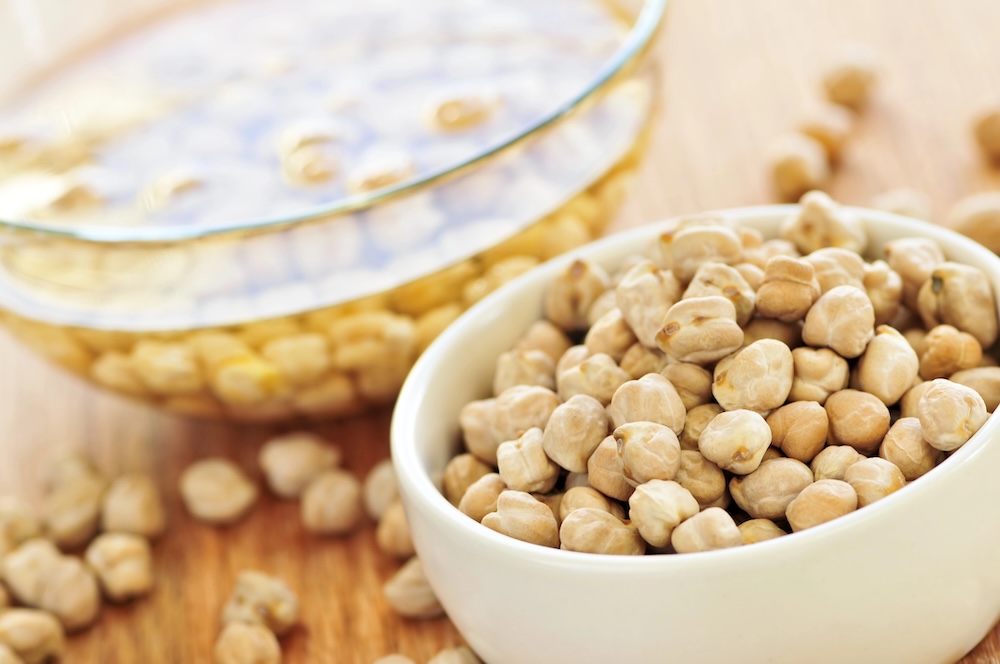
- Soak for eight to twelve hours and discard the soaking water.
- Cook thoroughly (boiling).
- Sprout for two to three days to reduce phytates and lectins.
- Ferment (e.g., tempeh, miso) for best results.
WHOLE GRAINS (wheat, oats, brown rice)
- Soak with a bit of lemon juice or vinegar to activate enzymes.
- Ferment (e.g., sourdough bread) to reduce phytates.
- Sprout grains to improve mineral availability.
NUTS AND SEEDS
- Soak overnight (especially almonds, walnuts, sunflower seeds).
- Dry or lightly roast after soaking.
- Sprouting further reduces antinutrient content.
HIGH-OXALATE FOODS (spinach, Swiss chard, beet greens)
- Boil and discard the cooking water to reduce oxalate levels.
- Pair with calcium-rich foods to bind oxalates in the gut.
SOY PRODUCTS
- Choose fermented forms (tempeh, natto, miso).
- Cook raw soybeans thoroughly to neutralize inhibitors.
CRUCIFEROUS VEGETABLES (broccoli, kale, etc.)
- Steam or lightly cook to reduce goitrogens and glucosinolates.
- Avoid them if you have thyroid issues—moderation is key.
This article appeared in Wise Traditions in Food, Farming and the Healing Arts, the quarterly journal of the Weston A. Price Foundation, Fall 2025
🖨️ Print post
Leave a Reply