


I was raised in a small town in central Texas where both my grandfathers were the local doctors—they were “old school” general practice guys who did everything. I graduated from the University of Texas-Houston medical school in 2002, completed my residency in family practice at Waco Family Practice and then moved out to West Texas where, for seven years, I was the only physician in the county, practicing at the local county clinic.
Then a divine revelation opened my eyes to the fact that nutrition actually matters when it comes to human health, so I started learning about diet and lifestyle factors that are at the root of most chronic disease. So, for the past thirteen years I’ve been practicing more integrative, holistic medicine with a strong focus on nutrition—very much influenced by the work of the Weston A. Price Foundation.
Gaines County is about ninety miles south of Lubbock County where I practice. One day in April, one of my patients from Gaines County called me to ask whether I would come check on the siblings of a young girl who had just passed away in the hospital, reportedly from measles. The siblings had measles, too, and the parents were too afraid to take them to the hospital. I traveled to Gaines County that Saturday afternoon.
I was escorted into the Mennonite church where the community was gathered for the viewing and visitation prior to the funeral the following day. I met the parents and siblings of the little girl who had passed away—and yes, the four siblings were obviously suffering from measles. I observed that a number of other children who were in attendance also had the typical measles rash. I was asked to go see a set of four-month-old twin boys, cousins to the deceased, because they also had measles and were struggling with high fever and respiratory distress. I made my way to their home, and after examining them, I was informed there were eight more children under two years old in their extended family who had measles and needed attention. This was on a Saturday night. After discussions with some of the community leadership, we decided it would be best to set up a central location for all the sick children. We set up a makeshift clinic and started seeing children the following day. I saw about seventy-six children the first day and over two hundred the ensuing days.
On my way down to Gaines County, I stopped by my clinic in Lubbock and picked up some cod liver oil and whole food vitamin C—I was able to give the siblings bottles of both of those. The following day, the father told me that he had woken up in the night a bit afraid because his house was so quiet. For the first time in many days, the children were not coughing all through the night. For some of the other children who were experiencing more severe respiratory distress, I prescribed an inhaled steroid called budesonide.
I had never seen or treated measles prior to this outbreak. I had read about measles in textbooks and from those descriptions, I was not expecting to see the significant respiratory distress that I saw in some of the children.
I knew cod liver oil was a great source of natural vitamin A as well as vitamin D and other nutritional cofactors. Vitamin A has been shown in multiple studies to reduce mortality in measles, including up to 82 percent in one study. Vitamin A is essential for proper function of the epithelium that lines the airway as well as the cilia, the mucous-producing cells and the immune system cells that line the airways. It is well known that vitamin A is an important nutrient to combat all infections, but measles in particular is known to deplete the body of vitamin A.
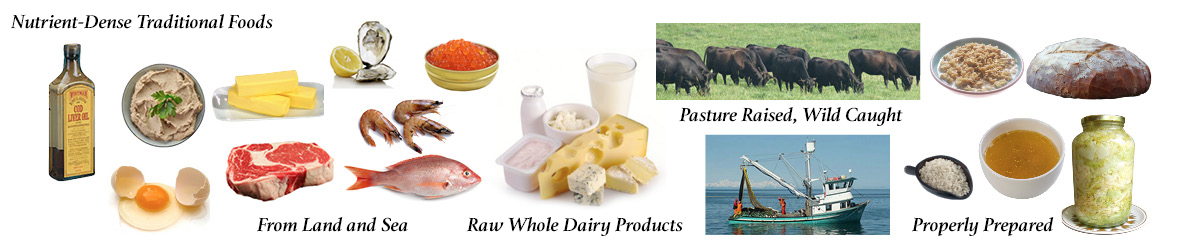
But I sure didn’t learn about cod liver oil in medical school! I only received about two hours of nutrition lectures in four years of medical school (most doctors receive none). During my continuing medical education outside of conventional medicine, I learned about the work of Dr. Weston A. Price. I had read his book, Nutrition and Physical Degeneration years ago and had also discovered the Weston A. Price Foundation’s website. Through both of those sources, I had learned about the incredible benefits of vitamin A and cod liver oil. Also, about seven years ago, after the birth of our sixth child, my wife was really struggling to breastfeed and produce enough milk. We supplemented with the homemade formula recipe from the Weston A. Price Foundation’s website, which includes cod liver oil. I also routinely recommend cod liver oil as a daily nutritional supplement to all my patients.
After talking with some of the Mennonite leaders and trying to get an estimate of how many sick children there might be, I called local health food stores to see how much cod liver oil they had. I also assessed the stock we had in our clinic. There was actually very little available as the public had been stockpiling it because the measles outbreak was being widely reported on by our local media. I then reached out to various cod liver oil suppliers that I knew who had large quantities in stock to see whether there would be a way to get a bulk order shipped as quickly as possible. It turned out that a patient of mine was a Gaines County resident and also a pilot. The owner of the plane he typically flew was willing to donate the plane, fuel and pilot time to go pick up the shipment the next morning. So, my son and I met the private plane at the Gaines County airport on a Sunday afternoon and loaded my pick-up truck with boxes of cod liver oil and vitamin C. The brand I got was Jigsaw Arctic Cod Liver Oil, along with their vitamin C product called Purway. I started seeing patients that afternoon.
One question that comes up is why measles cases are more severe in some patients, especially the respiratory component. I do have an opinion on that based on my clinical observations and questioning of the children’s parents. Severe cases seemed correlated with a lack of good nutrition and ignorance on how to support a small child through a high fever. For example, in one family where I made a house call, there was a large pile of Goldfish, the popular modern processed snack food, sitting on the kitchen table.
It turns out that some of these families are on the government food assistance program and purchase processed food from the small, local grocery store. In another case, a small four-month-old baby was in respiratory distress and had not been able to take more than two ounces of formula. The child had a very high fever of 105 degrees but also had on three layers of clothes and three blankets. The combination of dehydration and high fever on top of his measles infection had him in a very compromised state. Little ones like him don’t have a lot of reserve capacity or wiggle room, so dehydration and decompensation can set in quickly. In that case, just taking the clothes off, cooling him off and giving one breathing treatment of budesonide allowed him to get enough relief to take the bottle. He looked like a completely different child, in a good way, the following morning when I saw him.
I was seeing patients, I began asking the mothers about the nutritional status of the children, especially the small children, such as whether they were breastfed or bottle-fed. I did start to observe a pattern where the children who were breastfed were overcoming their symptoms much more readily.
Another contributing factor, I believe, was a lack of access to care, as many of the Mennonites either did not have a local physician or chose not to engage in the Western medical system. When symptoms became a little more severe, they lacked the knowledge and support on how to best navigate those more severe symptoms. I also believe fear contributed greatly, especially after the first child died. Fear not only affects physiology and function but also clouds judgment. After reviewing the medical record of the child who unfortunately passed away, it was clear that she died from a medical error. The resident physician who admitted her did not give her the correct antibiotic regimen for community-acquired pneumonia, violating all standard-of-care recommendations. It is my strong opinion that she would have recovered fully and quickly if she would had been appropriately treated.
Of course, I have some bias, and this was not in any way a formal study, but after treating over two hundred cases of measles in Gaines County, it is my very strong opinion that, just as Dr. Price found, a well-nourished and well-nurtured child (cared for with ancestral wisdom) will overcome measles very easily. Rarely will there be a need for medical intervention, but if there is a need, appropriately prescribed medical interventions can prevent anyone from having a poor outcome.
The issue of dosing and potential “overdosing” on vitamin A needs to be addressed, as the media did attempt to scare the public about this topic. The studies I was able to find, mostly out of Africa, used 100,000 to 200,000 IU of isolated forms of synthetic vitamin A, typically either as a one-time dose or two doses on consecutive days. These doses were given to babies under one year old. There can be a risk of overdosing if using synthetic, isolated forms of vitamin A at high doses like 100,000 IU, especially for many weeks at a time.
When using a food-based form of vitamin A such as cod liver oil, this is not a concern as the typical vitamin A content in a teaspoon of most cod liver oil supplements is around 3,000-6,000 IU per teaspoon. I believe that the whole-food nature of cod liver oil and the synergistic effects of the other phytonutrients and co-factors in this oil, such as vitamin D, all serve to potentiate the medicinal effects.
My dosing instructions to the parents of the sick children depended on age, how many days into the illness they were and the severity of their symptoms. Also, I was using liquid cod liver oil, so tolerability and compliance due to taste were a factor. For young infants in the four-to-twelve-month range, if they were bottle-fed, I would instruct the mom to give a half teaspoon of cod liver oil per bottle or squirt it in the childʼs mouth just prior to the bottle. For breastfed infants, I encouraged the mom to consume two to three teaspoons, three or four times per day, but also try to give one-fourth to one-half teaspoon at each feeding. For older children, I would encourage the parents to give as much as the child would allow, such as one or two teaspoons before each meal. In the sickest older kids and adults, I would encourage a teaspoon an hour while awake, at least during the three or four days of most severe symptoms.
For vitamin C, I would typically recommend 100-200 mg every hour to bowel tolerance (back off if loose stool) in small children of the four-to-twelve-month range. In older children, I would recommend 500 mg every hour to bowel tolerance.
A typical measles course that I observed was:
Day 1: Fever
Day 2: Minimal to no fever
Day 3: Fever is back, typically fairly high like 104-105 degrees, cough starts, rash may develop at this time
Days 4, 5, 6: High fever, cough, rash
Days 7, 8: Everything clears up
I observed that symptoms would typically improve and not be as severe within one day of starting cod liver oil and vitamin C. When sicker children seemed to be struggling to move through the illness in the above timeframe, or symptoms were lingering longer than expected, usually after one day of consistent dosing of vitamin C and cod liver oil, the symptoms would resolve.
All of the children I treated recovered without any adverse consequences.
SIDEBAR
GRATITUDE
Iʼd like to thank everyone at the Weston A. Price Foundation for maintaining such a great website and providing resources to support not only parents but also clinicians in the field. I immediately turned to the Foundationʼs website to search out measles, vitamin A and cod liver oil topics.
What I found was actually much more helpful than what I found on the CDC and WHO websites to help guide my clinical decision-making. In fact, I have shared the articles that I found most helpful with officials from the CDC and HHS as well as other colleagues who have reached out inquiring about how to treat measles. The three articles I found most helpful were:
westonaprice.org/health-topics/abcs-of-nutrition/vitamin-a-saga/
westonaprice.org/health-topics/vitamin-a-mazing/
Thank you for all you do to help preserve and advance the work of Dr. Price.
This article appeared in Wise Traditions in Food, Farming and the Healing Arts, the quarterly journal of the Weston A. Price Foundation, Summer 2025
🖨️ Print post
So thankful for Dr Edwards being prepared and equipped for such a time as this.