




 🖨️ Print post
At the end of 2022, with the Covid vaccination program in shambles, officials began focusing their fear porn on the measles, as evidenced by a December 27, 2022 front-page article appearing in the Washington Post.1
“Diseases resurging as parents resist shots: Outbreaks of measles, chickenpox tied to rise in anti-vaccine sentiment,” said the article, placing the blame on “parent resistance of routine childhood immunizations. . . intensifying a resurgence of vaccine-preventable diseases.” According to the article, “a rapidly growing measles outbreak in Columbus, Ohio—largely involving unvaccinated children—is fueling concerns among health officials that more parent resistance to routine childhood immunizations will intensify a resurgence of vaccine-preventable diseases.” The article did not provide any information on exactly how many of the children who contracted measles were not vaccinated and how many were; it consisted mostly of quotes from hand-wringing public officials about children not getting their shots.
A CBS news report from late 2022 told a different story.2 An Ohio measles outbreak involved eighty-two children, 94 percent of whom were under age five. “[A]ll of the children impacted by the outbreak are at least partially unvaccinated, meaning they have only received one dose of the necessary two for the measles-mumps-rubella vaccine, known as MMR, although four children still have an unknown vaccination status. Children are recommended to get their first dose between 12 and 15 months of age and the second between the age of 4 and 6.”
Because most of the Ohio children afflicted were under five, this means that most of them were in fact “fully vaccinated,” as the second dose is recommended for children ages four to six. Vaccinated children who get the measles provide proof that measles is not “vaccine-preventable” at all. In fact, we are justified in asking whether children getting the measles so young—normally the illness occurs in children around age seven or eight—is an indication that the vaccine may be causing children to contract the measles too early in life.
The cause of measles, according to public health agencies, is a “highly contagious virus” spread through the coughings and sneezings of the afflicted—or even viruses remaining on surfaces that measles sufferers have touched. The problem is that scientists have been unable to find said virus in these bodily fluids. Credit for the “isolation” or “discovery” of the “agent of measles” goes to John F. Enders, winner of the 1954 Nobel Prize in physiology and medicine.
Enders developed techniques of “propagating” the virus in a culture.3 The procedure involved taking throat cultures from children sick with measles, mixing them with “sterile fat-free milk,” adding a high dose of penicillin or streptomycin and then centrifuging this goop. The resulting supernatant fluid or sediments were again mixed with milk and used as inocula in different experiments, where they were added to various types of tissue including human kidney, human embryonic lung, human embryonic intestine, human uterus, rhesus monkey testes, human embryonic skin and muscle, human foreskin (!), rhesus monkey kidney and embryonic chick tissue. You can’t accuse Dr. Enders of not being thorough! Only the rhesus kidney cells gave Enders the results he wanted—a breakdown of the cells in the tissues. And yet, the consensus is that animals don’t get measles!
The culture medium consisted of bovine amniotic fluid, beef embryo extract, horse serum, eye of newt and toe of frog (just kidding about the last two items). To this mixture of biological materials (and they are calling this an “isolation”!) was added phenol red, antibiotics and—strangely—soy trypsin inhibitor. The monkey kidney cells broke down—cell boundaries were obliterated, the nuclei deteriorated and large and small vacuoles (empty spaces) formed. What caused this breakdown? Enders claimed it was the “agent of measles,” but a more likely candidate was the antibiotics, especially streptomycin, which is a kidney toxin—note that only kidney cells broke down from this strange culturing treatment.
Since Enders’ day, thousands of papers on virus “isolation” have cluttered up the scientific literature, using variations of his technique to claim the pathogenic effects of “viruses,” but Enders’ paper was unique: it included a control. Enders looked at monkey kidney cells that had not received an inoculation of measles material—but did receive all the other poisons—and the cells broke down. “The cytopathic changes it induced in the unstained preparations could not be distinguished with confidence from the viruses isolated from measles.” After staining, the measles-cultured cells did look different, with more deterioration of the nuclei, but remember, there were kidney-toxic antibiotics in the cultures.
If you think that the studies of Enders and the virologists who followed him prove the existence of a pathogenic measles virus—and remember, no one has been able to isolate said virus from the throat cultures, blood or even feces of afflicted patients—then there is a prize for you. One hundred thousand euros await the individual who can prove the existence of an infectious, pathogenic measles virus.4
Symptoms of measles include a diffuse red rash, high fever, cough, runny nose, red watery eyes (conjunctivitis), and occasionally abdominal pain, vomiting and diarrhea. These symptoms usually subside in a few days, but in malnourished children, measles can result in serious side effects, such as blindness or seizures, and can even be fatal.
According to conventional advice, “There’s no cure and no specific treatment for measles.”5 Acetaminophen and nonsteroidal anti-inflammatory drugs (NSAIDS) for pain and fever are common recommendations, along with bed rest and plenty of liquids.
Actually, there is a treatment for measles, a treatment that can be lifesaving in cases of severe measles: vitamin A. I find it shocking that public health officials have turned their backs on the accumulated science about vitamin A and measles. A literature search turns up over five hundred studies on this subject, such as one titled, “Low serum retinol is associated with increased severity of measles in New York City children,”6 in which the authors concluded, “Children with no known prior vitamin A deficiency exhibited a significant decline in their serum retinol levels during the acute phase of measles. This decline in circulating retinol was associated with increased duration of fever, higher hospitalization rates, and decreased antibody titers.”
Or this one, titled “Vitamin A administration reduces mortality and morbidity from severe measles in populations nonendemic for hypovitaminosis A,”7 which concluded: “On admission to a public hospital in Cape Town, South Africa, children with measles complicated by pneumonia, diarrhea, or both were given either a placebo or 400,000 IU of vitamin A. Administration of vitamin A significantly reduced mortality, decreased morbidity, and shortened the period of overall hospital stay.”
Or this one: “Vitamin A for the treatment of children with measles—a systematic review,”8 which begins with the statement, “Vitamin A deficiency is a recognized risk factor for severe measles,” and concludes “that 200,000 IU of vitamin A repeated on 2 days should be used for the treatment of measles as recommended by WHO in children admitted to hospitals in areas where the case fatality is high.”
Vitamin A recommended by the World Health Organization! But you aren’t reading about the miraculous results of vitamin A treatment for measles patients in publications like the Washington Post. Instead, there is the constant push for vaccination, even though the MMR (measles-mumps-rubella) and MMRV (MMR plus varicella) can have serious side effects, including autism. Ingredients in the MMR include chick embryo cell culture, WI-38 human diploid lung fibroblasts, MRC-5 cells, amino acids, fetal bovine serum, recombinant human albumin, neomycin, sucrose, sorbitol, mannitol, lactose and hydrolyzed gelatin.9,10 The MMRV features similar ingredients plus “DNA,” monosodium L-glutamate, sodium bicarbonate, phosphate buffer and potassium chloride. (Potassium chloride is used to cause cardiac arrest as the third drug in the “three-drug cocktail” for executions by lethal injection.11)
It’s safe to say that in recent years, the MMR and other vaccines with a measles component have killed more children than the measles. As of April 25, 2025, over one hundred sixteen thousand reports of measles vaccine reactions had been submitted to the federal Vaccine Adverse Event Reporting System (VAERS), almost certainly an underestimate.12 These included 573 related deaths, 9,054 hospitalizations and 2,219 permanent disabilities.12 Over 63 percent of those adverse events occurred in children five years old and younger.13 By contrast, deaths from measles are extremely rare—there were none in the U.S. between 1993 and 2021.14
Vitamin A has been in the news recently, in relation to a measles outbreak in West Texas. More than five hundred children are said to have contracted measles and, according to the media and the Texas Department of State Health Services, two have died.15
Regarding the Texas outbreak, Robert F. Kennedy, Jr., secretary of HHS, stated that vitamin A might help with the measles outbreak as a possible treatment. (Maybe he read my 2023 blog!16) The media have been quick to downplay this reference to a vitamin. According to a report from Business Insider, “Vitamin A is used worldwide to treat children with measles, but it doesn’t prevent infection. Researchers have raised concerns that touting vitamin A mirrors anti-vaccine talking points.”17 According to Dr. Andrea Love, an immunologist quoted in the article, “Good nutrition and vitamin A are not going to stop a measles outbreak.”
That’s why Love insists that Kennedy’s message could “confuse readers who are already skeptical of vaccines.”17 Love told Business Insider, “People who see this are going to pick up on the things that resonate with their beliefs. The entire wellness industry and pseudoscience landscape plays into the idea of taking control of your health.” Love, like so many others, stresses the possibility of vitamin A toxicity, and—horror of horrors—families taking charge of their health.
A professor of epidemiology at the University of Michigan School of Public Health, Dr. Eduardo Villamor, told Business Insider, “The most effective preventive measure is vaccination, that cannot be overemphasized.”17 What none of these experts mention is the fact that deaths from measles were in steep decline long before the introduction of the measles vaccine in 1968 (see Figure 1). Even actual cases of measles in the U.S. had dropped precipitously before the introduction of the vaccine (see Figure 2).
Mainstream medicine is uncomfortable reporting on the benefits of vitamin A. In one of the studies mentioned above,7 researchers reported a 50 percent reduction in mortality in the vitamin A-treated children and no adverse reactions to the treatment, yet the authors insist that “The first line of defense against measles death should be immunologic (vaccination), not nutritional.”

The subject of vitamin A invariably brings up warnings of toxicity. According to an article by Suzanne Burdick, PhD, written for Children’s Health Defense,18 doctors test for vitamin A toxicity by checking for signs of liver damage. However, according to Dr. Richard Bartlett, elevated liver enzymes—a sign of abnormal liver function—don’t necessarily indicate vitamin A toxicity.18 Many factors can cause liver enzymes to rise, including mononucleosis, Epstein-Barr, hepatitis A and C, fatty liver disease (now occurring in many children) and pain medicines such as Tylenol (recommended for children with measles). Vitamin A toxicity is better assessed by measuring vitamin A levels in the blood, which hospitals are not doing.
Still, the question remains: Why are hospital personnel giving such high doses of vitamin A? A teaspoon of cod liver oil contains, on average, 10,000 IU of vitamin A, but the standard treatment seems to be to shock the body with a couple of doses of 200,000–400,000 IU of vitamin A.
A 1999 review article by RD Semba looked at studies on cod liver oil and other sources of vitamin A carried out between 1920 and 1940.19 Of studies using cod liver oil or halibut liver oil alone for infectious disease, thirteen were effective in reducing morbidity, mortality and severity, while four had no effect. Only one of these looked at cod liver oil alone in the treatment of measles; it found that treatment with cod liver oil reduced measles mortality by about one-half, from 8.7 percent in the untreated group to 3.7 percent in the treated group. (Interestingly, a study that used cod liver oil plus vitamin D— which would have been D2 in those days—had no effect on morbidity or mortality.) Semba dismisses the positive cod liver oil results in a snide reference to the pharmaceutical industry, which “emphasized the positive results in their advertising to the public.”
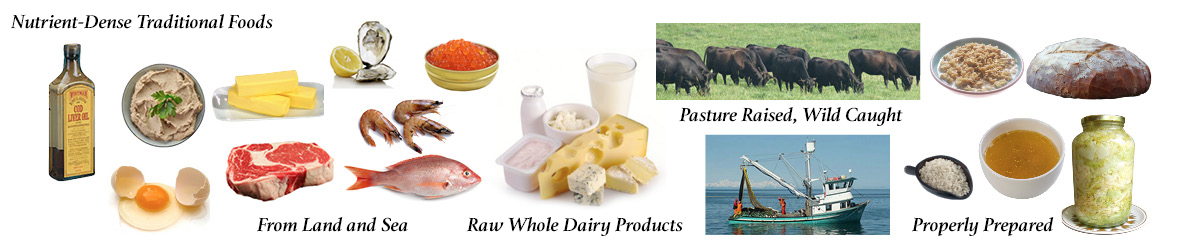
Instead of vaccinations, let your child get the measles! The treatment is simple: bed rest in a darkened room (to avoid overstimulating the eyes); cold compresses for fever; and cod liver oil (use an eye dropper), smoothies of egg yolk, cream and maple syrup, and a little liver paté for vitamin A. With vitamin A-rich cod liver oil and food, your child will be better in no time and will have protection against the serious effects of high fever. One school of thought holds that having the measles strengthens the immune system and provides protection against cancer later in life.
So, if it’s not a virus, what causes the measles? Because measles is obviously an effort by the body to detoxify, environmental toxins—especially in the water—are likely candidates. The decline in measles in industrialized countries, and especially deaths from measles, parallels the cleaning up of our cities and cleaner water for everyone. Diets also improved, especially up to the Second World War, when people still drank whole milk, ate butter and took cod liver oil.
Even so, children still get the measles. One theory holds that children go through a natural, even a programmed, cleansing as they make the transition from early to middle childhood around age seven. Children with measles may even “communicate” to other children of the same age that it’s time to go through this important process. Certainly, not everyone in a household gets the measles when one child has it, not even the other children.
Once we throw off the “virus” theory of measles, we can explore the true causes of this and other childhood diseases. Meanwhile, a nutrient-dense diet—not vaccination—is the best protection for your child.
SIDEBARS
DEATHS FROM MEASLES IN TEXAS
According to the mainstream media, two children have died from measles in the recent West Texas outbreak. The first child, a six-year-old girl who died in March, died not from measles as claimed but from pneumonia following a measles infection and as a result of a “medical error.” According to Dr. Pierre Kory, who has extensive experience in pulmonary and critical care medicine, “that error was a completely inappropriate antibiotic” for treating the kind of pneumonia she had.20
In April, a second child died from what the child’s doctors described as “measles pulmonary failure.”v21 However, doctors who reviewed her medical records disputed that statement, saying that the records showed she died from acute respiratory distress “secondary to hospital-acquired pneumonia,” which she likely developed during a previous hospital stay. Her white blood cell count was very high—not a symptom of the “measles pneumonia” that the hospital records kept insisting on. Again, according to Kory,22 the child was not treated properly, with doctors putting her on high-dose steroids rather than the appropriate antibiotic; moreover, the staff did not obtain a lung culture in a timely manner, only discovering infection by E. coli bacteria—not a “virus”—just before her death.
Needless to say, neither of these children was given vitamin A.
FASCINATING RESEARCH ON VITAMIN A—FROM 1925
WAPF honorary board member and Wise Traditions contributor Pam Schoenfeld, MS, recently alerted me to an eye-opening article on vitamin A. Titled “Tissue changes following deprivation of fat-soluble A vitamin,” by S. Burt Wolbach, MD, and Percy R. Howe, MD, the article was published in the Journal of Experimental Medicine in 1925.1
This paper is interesting for several reasons. The first concerns the changes these researchers observed when they deprived rats of vitamin A. The main effect was keratinization of the epithelial tissues. The epithelial tissues are thin tissues that cover all the exposed surfaces of the body, such as the skin, the inner lining of the mouth, the digestive tract, secretory glands, the lining of hollow parts of every organ, such as the heart, lungs, eyes, ears, urogenital tract, as well as the ventricular system of the brain and central canals of the spinal cord—most of which can be affected by measles, by the way.
Keratinization is the process by which the cells of the epithelium are filled with a hard protein called keratin—think hair and fingernails in humans, or beaks, horns, scales and hooves in animals. When our skin sloughs off cells, they first become keratinized and form a thin protective surface on our skin, but mostly the epithelial tissue is soft and mucous-secreting, often composed of hair-like structures called cilia.
Wolbach and Howe found that vitamin A deficiency resulted in the substitution of “stratified keratinizing epithelium for normal epithelium in various parts of the respiratory tract, alimentary tract, eyes, and paraocular [surrounding the eyeball] glands and the genitourinary tract.” This led to the atrophy of many glands, arrest of growth, emaciation and eventually death. While the rats showed no signs of rickets (the test diet contained vitamin D), the bones and teeth stopped growing. Notably, “Young rats respond to the deficiency more promptly than adults,” meaning that vitamin A deficiency is more serious in growing children than in their parents.
The researchers also found that “deficiency results in loss of specific (chemical) functions of the epitheliums concerned.” In other words, these tissues no longer worked as they should. Interestingly, these changes did not occur in the liver, parenchyma of the kidney, stomach or intestines.
The authors observed, “In general the respiratory mucosa in nares [nostrils], trachea, and bronchi keratinized first, then the salivary glands, eye, genitourinary tract, then paraocular glands and pancreas.” The general view at the time was that the eyes were the first organs affected by vitamin A deficiency, but the researchers found otherwise.
Following keratinization, many of the glands atrophied (wasted away), followed by emaciation and localized edema of testes, submaxillary (salivary) gland and connective tissue structures of the lungs and focal myocardial lesions. The same applies to glandular atrophy. According to the authors, “Glandular atrophy probably explains the loss of power of smell as a late but consistent symptom.”
Enamel formation in the teeth was inhibited. “The enamel-forming cells in advanced stages are either shrunken and atrophic or replaced by a narrow layer of stratified, non-keratinizing epithelium.” Indeed, many of the changes superficially resembled scurvy.
Other effects included the disappearance of fat in adipose tissue throughout the body, reduction in size of the liver and spleen and atrophy of several glands: pancreas, thyroid, pituitary and thymus. Large cysts composed of “desquamated keratinized epithelial cells” formed in the salivary glands, which interfered with swallowing and was often a cause of death; cysts also formed in the lungs “and were so numerous as to be the cause of death.”
“Desquamated keratinized epithelial cells” often blocked the bladder and urethra. Cysts were common in the prostate gland and seminal vesicles. These findings beg the question of whether many cases of “cancer”—in the prostate, bladder, lungs, throat, glands, etc.—are due to the accumulation of sloughed-off keratinized cells in these organs due to vitamin A deficiency.
Wolbach and Howe described their observations with great care and detail. They noted that “infection” [with bacteria] occurred in certain glands and organs but only after the degeneration that followed withholding of vitamin A: “Infection and suppuration are very common, but not invariable and have nothing to do in initiating the epithelial change.” They added, “Our own experiences in the care of the rats are in complete opposition to the importance of infection, either as an initiating factor in the pathology or as a cause of death.”
They also noted that “edema” (or what we call “inflammation”) occurred in certain organs, again only after the changes induced by vitamin A deficiency. “The occurrence of transient edema in testes and salivary gland coinciding with a period of maximum atrophic change, suggests the hypothesis that this edema is the result of failure of epithelium to utilize transported material.”
Today we blame disease on “infection” and “inflammation,” but in 1925, the two researchers were careful to point out that these conditions arose as a result of vitamin deficiency. (By the way, “edema” most frequently occurred in the salivary glands and the testes—this sounds a lot like mumps to me!)
A final detail that I found of interest was that the test diet contained lard to supply vitamin D but no vitamin A. Yet food tables today indicate that lard contains a trace amount of vitamin A but no vitamin D! The fact that lard can be a good source of vitamin D is one of those secrets the diet dictocrats don’t want you to know.
The researchers were able to reverse the effects of vitamin A deprivation by adding butter to the diet, and vitamin A in the control diet was also supplied by butter.
The message for modern humans is this: Include plentiful lard (from pigs raised outdoors) and butter from grass-fed cows in your diet to keep the lungs, nasal passages, bones, teeth, urogenital organs and many of the body’s important glands in good working order. . . and to avoid serious cases of common childhood diseases like the measles and mumps.
REFERENCE
- Wolbach SB, Howe PR. Tissue changes following deprivation of fat-soluble A vitamin. J Exp Med. 1925 Nov 30;42(6):753-777.
REFERENCES
-
-
-
- Sun LH. Growing vaccine hesitancy fuels measles, chickenpox resurgence in U.S. The Washington Post, updated Dec. 27, 2022.
- Cohen L. At least 82 children in Ohio infected with measles, more than half of whom are unvaccinated babies and toddlers. CBS News, updated Dec. 29, 2022.
- Enders JF, Peebles TC. Propagation in tissue cultures of cytopathogenic agents from patients with measles. Proc Soc Exp Biol Med. 1954 Jun;86(2):277-286. https://archive.org/details/EndersPeebles1954/page/n1/mode/2up
- German court: “No proof that measles virus exists.” Covid-19 Reader, Jul. 31, 2020. https://www.covid19reader.com/german-court-no-proof-that-measles-virus-exists/
- Measles (rubeola). Cleveland Clinic, reviewed Feb. 28, 2025. https://my.clevelandclinic.org/health/diseases/8584-measles
- Caballero B, Rice A. Low serum retinol is associated with increased severity of measles in New York City children. Nutr Rev. 1992 Oct;50(10):291-292.
- [No authors listed.] Vitamin A administration reduces mortality and morbidity from severe measles in populations nonendemic for hypovitaminosis A. Nutr Rev. 1991 Mar;49(3):89-91.
- D’Souza RM, D’Souza R. Vitamin A for the treatment of children with measles—a systematic review. J Trop Pediatr. 2002 Dec;48(6):323-327.
- https://www.vaccinesafety.edu/wp-content/uploads/2025/01/Components-Excipients-24-1220-by-Vaccine-Type.pdf
- https://www.fda.gov/media/158941/download
- Overview of lethal injection protocols. Death Penalty Information Center, n.d. https://deathpenaltyinfo.org/executions/methods-of-execution/lethal-injection/overview-of-lethal-injection-protocols
- https://www.medalerts.org/vaersdb/findfield.php?TABLE=ON&GROUP1=CAT&GROUP2=AGE&EVENTS=ON&VAX%5b%5d=MEA&VAX%5b%5d=MER&VAX%5b%5d=MM&VAX%5b%5d=MMR&VAX%5b%5d=MMRV&VAXTYPES%5b%5d=Measles&SUB_YEAR_HIGH=2025&SUB_MONTH_HIGH=04
- https://www.medalerts.org/vaersdb/findfield.php?TABLE=ON&GROUP1=AGE&EVENTS=ON&VAX[]=MEA&VAX[]=MER&VAX[]=MM&VAX[]=MMR&VAX[]=MMRV&VAXTYPES=Measles
- https://www.statista.com/statistics/1560955/measles-death-rate-in-the-us-since-1919/
- Texas announces second death in measles outbreak. Texas Department of State Health Services, Apr. 6, 2025. https://www.dshs.texas.gov/news-alerts/texas-announces-second-death-measles-outbreak
- Morell SF. Measles. Nourishing Traditions [Blog], 2023. https://nourishingtraditions.com/measles/
- Landsverk G. RFK Jr. says vitamin A could help treat measles. Here’s what doctors think. Business Insider, Mar. 7, 2025.
- Burdick S. Media reports of vitamin A toxicity in kids being treated for measles “misleading,” doctor says. The Defender, Apr. 2, 2025.
- Semba RD. Vitamin A a “anti-infective” therapy, 1920–1940. J Nutr. 1999 Apr;129(4):783- 791.
- Burdick S. “Medical error” led to death of 6-year-old who developed pneumonia after measles diagnosis. The Defender, Mar. 19, 2025.
- Benadjaoud Y, McDuffie W, Haslett C. 2nd child with measles dies in Texas, according to state health officials. ABC News, Apr. 7, 2025.
- Burdick S. 8-year-old in West Texas died from hospital-acquired pneumonia, medical records show. The Defender, Apr. 9, 2025.
-
-
This article appeared in Wise Traditions in Food, Farming and the Healing Arts, the quarterly journal of the Weston A. Price Foundation, Summer 2025
🖨️ Print post
Leave a Reply