
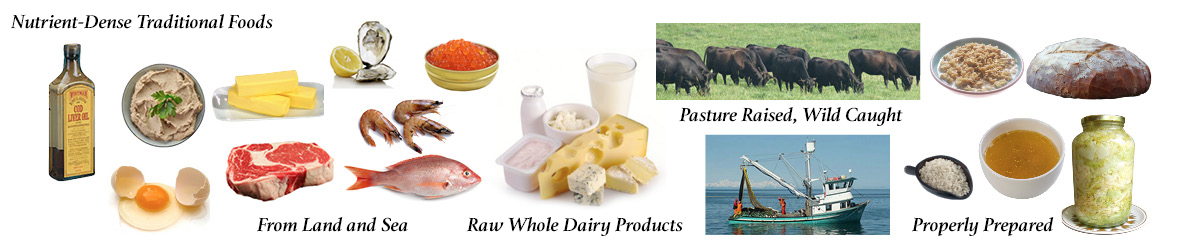


WASHINGTON, DC, JANUARY 8, 2026. The new U.S. Dietary Guidelines, announced January 7 by Health Secretary Robert F. Kennedy Jr., include recommendations for more protein, less sugar and fewer ultra-processed foods. The Guidelines roll back long-standing strictures against red meat, whole milk and butter, giving the American public the go-ahead to embrace these nutrient-dense traditional foods.
So, is butter back?
Unfortunately, the Guidelines still retain a 10 percent cap on saturated fat.
As explained by Nina Teicholz, who has a PhD in nutrition, the guidelines and the images on the new upside-down food pyramid will help shift behavior of the general public toward more nutrient-dense proteins like eggs, cheese and red meat, and more animal fats like butter and tallow.
However, for those eating school lunches, military personnel and people who receive food through federal programs, their meals will still be restricted to the 10 percent cap because, by law, these programs must abide by these Guidelines []. It takes only a small amount of full-fat dairy, meat, cheese or butter to reach that cap. Therefore, schools and institutions will need to continue cooking with seed oils while limiting whole milk, cheese and red meat for those who need it most. . . growing children.
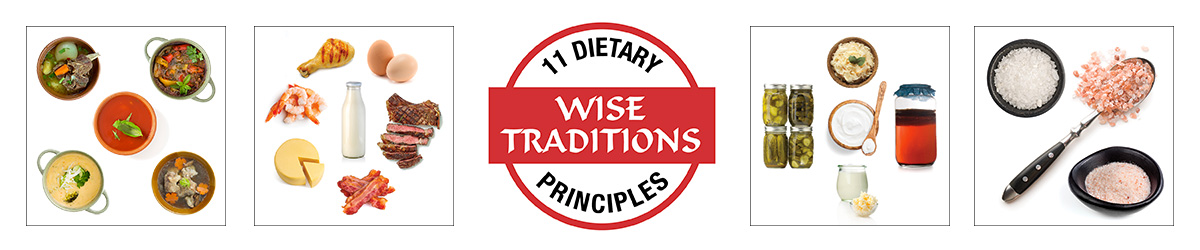
Perhaps it is time to look elsewhere for guidance on our food choices! Dietary guidelines formulated by the Weston A. Price Foundation embrace the nutrient-dense foods that have nourished our ancestors for millennia. The Healthy 4 Life Guidelines urge daily consumption of foods in four categories: animal foods (meat, seafood, eggs and milk products); grains and legumes; fruits and vegetables; and healthy fats including mostly saturated butter, tallow, lard and coconut oil.
As confirmed by Chris Masterjohn, PhD, saturated fat does a body good: “Saturated fats play essential structural roles in the body, and specific saturated fatty acids have specific benefits to energy metabolism, immunity, intestinal health and metabolic health. Saturated fats play so many beneficial roles, and because our bodies will contain large amounts of saturated fat whether we embrace it in our diets or choose to avoid it, it makes little sense to make dietary decisions based on the fear that we are eating too much saturated fat. Instead, we should dispense with these fears altogether and look toward the menu of traditional fats, seeing a wide array of tools before us to meet our individual needs and priorities”.
Butter, in particular, provides nutrients that are hard to find in other parts of the diet, including butyric acid (supports thyroid and digestive health); arachidonic acid (supports healthy skin, digestion and mental health) and conjugated linoleic acid (which has strong anti-cancer properties). Butter is also the best source of vitamin A in the western diet, and also provides vitamins D, K2 and E, along with important minerals.
The Weston A. Price Foundation urges Americans to Bring Butter Back. Embrace nature’s perfect fat without fear, and make sure your children get plenty of butter!
🖨️ Print post
I’d really appreciate hearing from someone knowledgeable on this, like President Sally Fallon Morrell or someone else from the Foundation. Has this 10% limit ever actually been shown to make sense? Is there any clinical trial or research supporting it? If not, I’d love to understand the real reason why it’s still in place.