

 🖨️ Print post
Many of us want to care for our bodies, our families, our community. Tré Cates of the Savory Institute challenges us to consider how our individual choices impact the whole world! Living holistically means looking at the big picture and considering how every choice—from where we choose to live, to the clothing we buy, to the food we eat—can move us closer to our life goals and help the earth at the same time.
This interview took place at the Africa Centre for Holistic Management in Zimbabwe, a Savory Institute hub. It is a learning center that encourages people from around the world to learn to work the land in a sustainable, regenerative manner. There, Tré tells story after story about the land’s restoration under proper management.
This episode can help us get a better handle on managing our own lives properly. As Tré explains the holistic principles of the Savory Institute, he reminds us of our own responsibility to live sustainably. The work of the Savory Institute sheds light on the importance of cooperative, respectful, holistic attitudes that can help all of us make choices that go “beyond organic” for better health and a better world!
Learn more at Savory Institute.
Notes
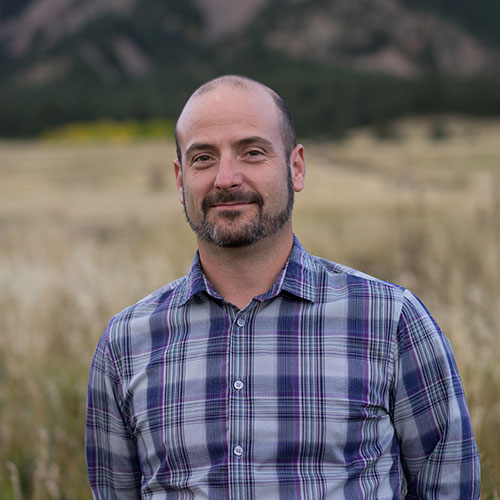
Tré Cates is the COO and the CFO of the Savory Institute. The Institute partners with communities all over the world. Its goal? To encourage holistic management worldwide. Each of us can make holistic choices—decisions relating to the land, the people, and the animals that benefit all of us. The food we eat, the purchases we make, the work we do—all impact not only ourselves, and our families, but also our communities and the world. Today, Tré discusses the Savory Institute, its mission, impact and how we can make choices that align with what we want to see in the world, “beyond organic.”
Highlights from the conversation include the following:
- The Savory Institute uses the approach of partnering with local communities and organizations to help them achieve their own holistic goals.
- Currently there are partnerships in Turkey, Sweden, South Africa, Argentina, and Chile, and the plans over the next five years are to increase to 100 such partnerships around the world.
- Their goal is to go beyond raising awareness of the holistic approach to changing farming practices, for healthier land, animals, and communities.
- Ultimately the goal is to raise awareness sufficiently to “go beyond organic”—meaning that healthy practices will be so accepted that such certification would be unnecessary.
- A key element of their success is demonstrating that there is a symbiotic relationship between herbivore animals and the soil they live on.
- How one woman’s life was turned around in a matter of three years, through holistic management of the land.
- In the past, well-meaning NGO’s introduced programs which were limited by funding distributed over a set time period, leaving problems when they moved on.
- Another challenge has been a “silo” approach, in which experts in animals or seeds or soils did not collaborate among themselves or with local people and traditions.
- We need to consider holistic practices when we make our own choices. We all need to grow in awareness as consumers to impact greater change. For example, when we decided to buy grass-fed beef, this can drive agricultural change.
- Our choices indicate what is important to us. We need to choose holistically to live lives of integrity and to leave every part of this earth better than we found it.
Leave a Reply